
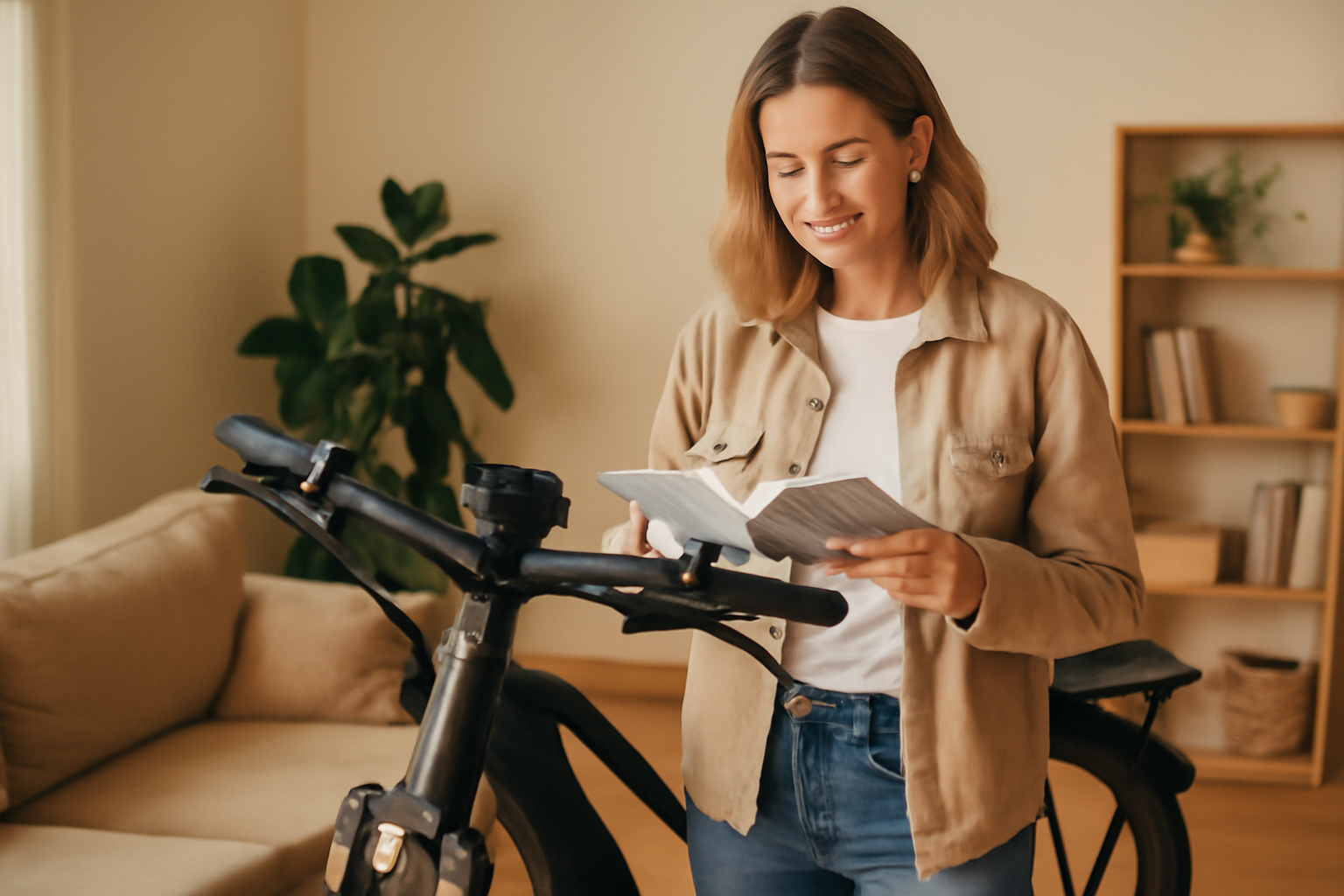
E-bikes are revolutionizing the way we travel, offering a blend of fun, fitness, and sustainable transportation. Whether you're looking to commute, explore new trails, or simply enjoy a leisurely ride, getting started with an E-bike can open up a world of possibilities. This guide will walk you through the essential steps to embark on your electric bike experience. E-bike care practices.
From understanding the different types of E-bikes to choosing the right one for your needs, we'll cover everything you need to know to make the most of your E-bike journey. Let's dive in! E-bike riding techniques.
Table of Contents
Step 1: Understand E-bike Basics
Before you purchase an E-bike, it's important to familiarize yourself with the basics. Here are key aspects to consider:
The Components of E-bikes
- Motor: The heart of the E-bike, providing the power needed to assist your pedaling.
- Battery: Supplies energy to the motor; typically removable for easy charging.
- Controller: Lets you manage the power output and speed settings.
- Display: Shows battery level, speed, and other essential metrics.
Types of E-bikes
- City E-bikes: Perfect for urban commuting with a comfortable design.
- Mountain E-bikes: Built for off-road adventures with rugged features.
- Folding E-bikes: Ideal for limited storage space and portability.
Step 2: Determine Your Riding Needs
Your riding style greatly influences the type of E-bike you should choose. Here are some questions to help you clarify your needs:
- What is the primary purpose of your E-bike? (commuting, recreation, or fitness)
- What terrain will you most frequently ride on? (paved roads, trails, or mixed surfaces)
- How often will you use it, and for how long?
Step 3: Set a Budget
E-bikes come in a range of prices, so setting a budget is crucial. Consider the following:
- Entry-level E-bikes: Typically range from $800 to $1,500.
- Mid-range E-bikes: Usually between $1,500 and $3,000, offering better components and features.
- High-end E-bikes: Can exceed $3,000, providing top-tier performance and durability.
Step 4: Research and Test Ride
Once you have a clear idea of what you need and your budget, it's time to start researching available models. Here's how:
- Read reviews and comparisons online to gauge performance and reliability.
- Visit local bike shops to see E-bikes in person.
- Take advantage of test rides to assess comfort and handling.
Step 5: Understand Local Regulations
Before hitting the road, familiarize yourself with your local laws regarding E-bikes. Regulations can vary significantly by area, including:
- Maximum speed limits.
- Where E-bikes are allowed to ride (bike lanes, sidewalks, etc.).
- Age restrictions and helmet laws.
Understanding these regulations is crucial not only for your safety but also to ensure that you are compliant with the law. Here's a deeper look into how to navigate local regulations effectively:
1. Research Local Laws
Start by researching the specific laws that apply to E-bikes in your area. This can often be done through your local government's website or by visiting your city or county's transportation department page. Here are some tips for effective research:
- Search for E-bike regulations: Use keywords like "E-bike laws [your city/state]" to find relevant information.
- Check for updates: Regulations can change, so make sure the information is current.
- Contact local authorities: If in doubt, reach out to local law enforcement or city officials for clarification.
2. Know the Classification of E-bikes
E-bikes are often classified into different categories, which can dictate where you can ride and what rules apply. Familiarize yourself with these classifications:
- Class 1: Pedal-assist E-bikes that provide assistance only when the rider is pedaling and stop assisting at 20 mph.
- Class 2: Throttle-assisted E-bikes that can provide assistance without pedaling, also stopping at 20 mph.
- Class 3: Pedal-assist E-bikes that assist up to 28 mph but may have additional restrictions.
Check if your local laws have specific requirements for each class, such as where they can be ridden and if they require registration or insurance.
3. Understand Helmet Laws and Age Restrictions
Many areas have specific laws regarding helmet usage and age restrictions for E-bike riders. Here's what to look for:
- Helmet requirements: Some states require all E-bike riders to wear helmets, while others may only require them for younger riders. Ensure you know the rules to stay safe and compliant.
- Age restrictions: Certain areas may have minimum age requirements for riding E-bikes. For example, some places may allow children as young as 14 to ride Class 1 or Class 2 E-bikes, while others might have stricter age limits.
4. Know Where You Can Ride
Regulations often specify where E-bikes are permitted to ride. This can include:
- Bike lanes: Many cities allow E-bikes in designated bike lanes, but some may restrict their use in certain areas.
- Sidewalks: In some places, riding on sidewalks is prohibited for E-bikes, while others may allow it under specific conditions.
- Multi-use paths: Check if your local laws permit E-bikes on multi-use paths, which are often shared with pedestrians.
Familiarizing yourself with these areas can enhance your riding experience and keep you within legal boundaries.
5. Common Mistakes to Avoid
When navigating local regulations, there are several common mistakes to avoid:
- Assuming regulations are the same everywhere: E-bike laws can differ significantly from one place to another, so always verify local rules.
- Ignoring updates: Laws can change, so make it a habit to check for updates regularly, especially before a long ride.
- Neglecting to wear safety gear: Even if not required by law, wearing a helmet and other protective gear is a smart choice for safety.
By understanding and adhering to local regulations, you can enjoy your E-bike adventures while staying safe and compliant. Remember, knowledge is key to an enjoyable and responsible riding experience!
Step 6: Essential Gear and Accessories
To ensure a safe and enjoyable ride, consider investing in the following gear:
- Helmet: A must-have for safety. Look for a helmet that fits snugly but comfortably, with adjustable straps for a secure fit. Consider helmets with additional features like ventilation and integrated lights for added safety.
- Lock: Protect your investment with a sturdy lock. U-locks are highly recommended for their strength, but also consider a folding lock for portability. Always lock your E-bike in a well-lit area and secure both the frame and wheels to an immovable object.
- Lights: Essential for visibility, especially at night. Front lights should be bright enough to illuminate the path ahead, while rear lights should be visible from a distance. Opt for rechargeable lights to save on battery costs and ensure you're always prepared for a ride.
- Reflective gear: Increases your visibility to other road users. This can include reflective vests, bands, or stickers that can be easily attached to your clothing or bike. Make sure to wear these items whenever you ride in low-light conditions.
Additional Accessories to Consider
Beyond the essentials, there are several accessories that can enhance your E-biking experience:
- Panniers or Bike Bags: Perfect for carrying your belongings, whether you're commuting or going on a longer adventure. Choose waterproof options to protect your gear from the elements.
- Phone Mount: A secure mount allows you to use your phone for navigation without taking your hands off the handlebars. Look for adjustable mounts that can fit various phone sizes.
- First Aid Kit: Always a good idea to have on hand for minor injuries. A compact kit should include band-aids, antiseptic wipes, and any personal medications you might need.
- Multi-tool: A compact multi-tool can help you make quick adjustments or repairs on the go. Look for one that includes tire levers, a chain breaker, and various wrenches.
Common Mistakes to Avoid
While gearing up for your E-bike adventures, here are some common mistakes to steer clear of:
- Neglecting Safety Gear: Skipping the helmet or reflective gear can lead to serious consequences. Always prioritize your safety.
- Choosing the Wrong Lock: A flimsy lock can be easily cut. Invest in a high-quality lock that deters thieves.
- Overloading Your Bike: Make sure not to exceed the weight limit of your E-bike. This can affect its performance and your safety.
- Ignoring Maintenance: Regularly check your gear and accessories for wear and tear. Replace any damaged items before your next ride.
Tips for Selecting the Right Gear
When choosing your gear and accessories, keep these tips in mind:
- Fit and Comfort: Always try on helmets and clothing to ensure a proper fit. Gear that is too loose or too tight can be uncomfortable and distracting.
- Research Brands: Look for reputable brands known for quality and durability. Reading reviews can help you make informed decisions.
- Consider Your Riding Style: Tailor your gear choices to your specific riding needs, whether it's daily commuting, leisurely rides, or rugged terrain.
- Budget Wisely: While it's important to invest in quality gear, there are often budget-friendly options that don't compromise on safety or functionality.
With the right gear and accessories, you'll be well-prepared to enjoy your E-bike adventures safely and comfortably. Always remember to periodically reassess your gear as your riding habits evolve, ensuring you have everything you need for every journey.
Step 7: Maintenance and Care
Proper maintenance is key to prolonging the life of your E-bike. Here are some maintenance tips:
- Regularly check tire pressure and tread.
- Keep the chain lubricated and clean.
- Monitor battery health and follow charging guidelines.
Common mistakes include neglecting to check brakes and not storing the bike properly during harsh weather conditions.
Checklist for Getting Started with E-bikes
- Understand E-bike components and types.
- Familiarize yourself with the key components: battery, motor, frame, and drivetrain. Each plays a crucial role in performance and comfort.
- Learn about different types of E-bikes:
- City/Commuter E-bikes: Designed for urban environments with features like fenders and lights.
- Mountain E-bikes: Built for off-road trails, featuring robust frames and enhanced suspension.
- Folding E-bikes: Compact and portable, perfect for those with limited storage space or who need to combine cycling with public transport.
- Assess your riding needs and budget.
- Determine how you plan to use your E-bike: commuting, recreational riding, or off-road adventures. This will influence the type you should purchase.
- Set a budget that includes not just the bike, but also potential accessories (helmets, lights, locks) and maintenance costs. A good range for quality E-bikes is typically between $1,500 and $5,000.
- Research and test ride various models.
- Read reviews and compare specifications online to narrow down your options.
- Visit local bike shops to test ride different models. Pay attention to comfort, handling, and the responsiveness of the motor.
- Consider factors like battery life and charging time during your research. A longer-lasting battery will enhance your riding experience.
- Familiarize yourself with local regulations.
- Check if there are specific laws regarding E-bike usage in your area, such as speed limits, where you can ride (bike lanes, sidewalks), and age restrictions.
- Understand the classification of E-bikes in your region (Class 1, Class 2, Class 3) to ensure compliance with local laws.
- Invest in essential gear and accessories.
- Purchase a high-quality helmet that meets safety standards. Consider additional protective gear like gloves and knee pads for added safety.
- Get a reliable lock to secure your E-bike when parked, as they can be targets for theft.
- Consider adding lights and reflective gear for visibility during nighttime rides.
- Establish a maintenance routine.
- Regularly check tire pressure, brakes, and battery levels to ensure optimal performance.
- Learn basic maintenance skills, such as cleaning the chain and adjusting brakes, to keep your E-bike in top shape.
- Schedule professional tune-ups at least once a year, or more often if you ride frequently or in harsh conditions.
- Keep a maintenance log to track repairs and service dates, which can help you identify patterns and anticipate future needs.
Conclusion
Getting started with E-bikes can be an exciting journey filled with adventure and exploration. By following these steps, you can ensure that you make informed decisions and enjoy your electric bike experience to the fullest. So, grab your gear and hit the road-your next adventure awaits!
As you embark on this journey, remember that preparation is key. Here's a checklist to help you ensure you're ready for your E-bike adventures:
- Research E-bike Types: Understand the different types of E-bikes available-commuter, mountain, folding, and hybrid. Each has unique features suited for various terrains and purposes.
- Test Ride: Visit local shops to test ride different models. Pay attention to comfort, handling, and battery life during your ride.
- Safety Gear: Invest in a good quality helmet, reflective clothing, and lights for visibility. Safety should always be your top priority.
- Plan Your Routes: Use mapping apps to find bike-friendly trails and paths. Consider the distance and elevation to ensure it matches your fitness level.
- Maintain Your E-bike: Familiarize yourself with basic maintenance, such as checking tire pressure, battery care, and brake adjustments. Regular maintenance can prolong the life of your bike.
Additionally, here are some common mistakes to avoid when getting started with E-bikes:
- Ignoring Local Laws: Different regions have various regulations regarding E-bike usage. Be sure to familiarize yourself with local laws to avoid fines or penalties.
- Overlooking Battery Management: Properly charge and store your battery to maximize its lifespan. Avoid letting it completely drain before recharging.
- Neglecting Physical Fitness: While E-bikes provide assistance, they still require pedaling. Ensure you maintain a level of fitness to enjoy longer rides.
- Underestimating Weather Conditions: Always check the weather before heading out. Rain or wind can significantly impact your ride quality and safety.
Lastly, consider joining local E-bike communities or clubs. Engaging with fellow enthusiasts can provide valuable insights, support, and opportunities for group rides. Sharing experiences and tips will enhance your adventure and help you feel more connected to the E-bike community.
With the right preparation and mindset, your E-bike journey can lead to countless memorable adventures. Whether you're commuting to work, exploring new trails, or enjoying leisurely rides with friends, the possibilities are endless. Embrace the thrill and freedom that comes with E-biking, and let your adventures begin!