
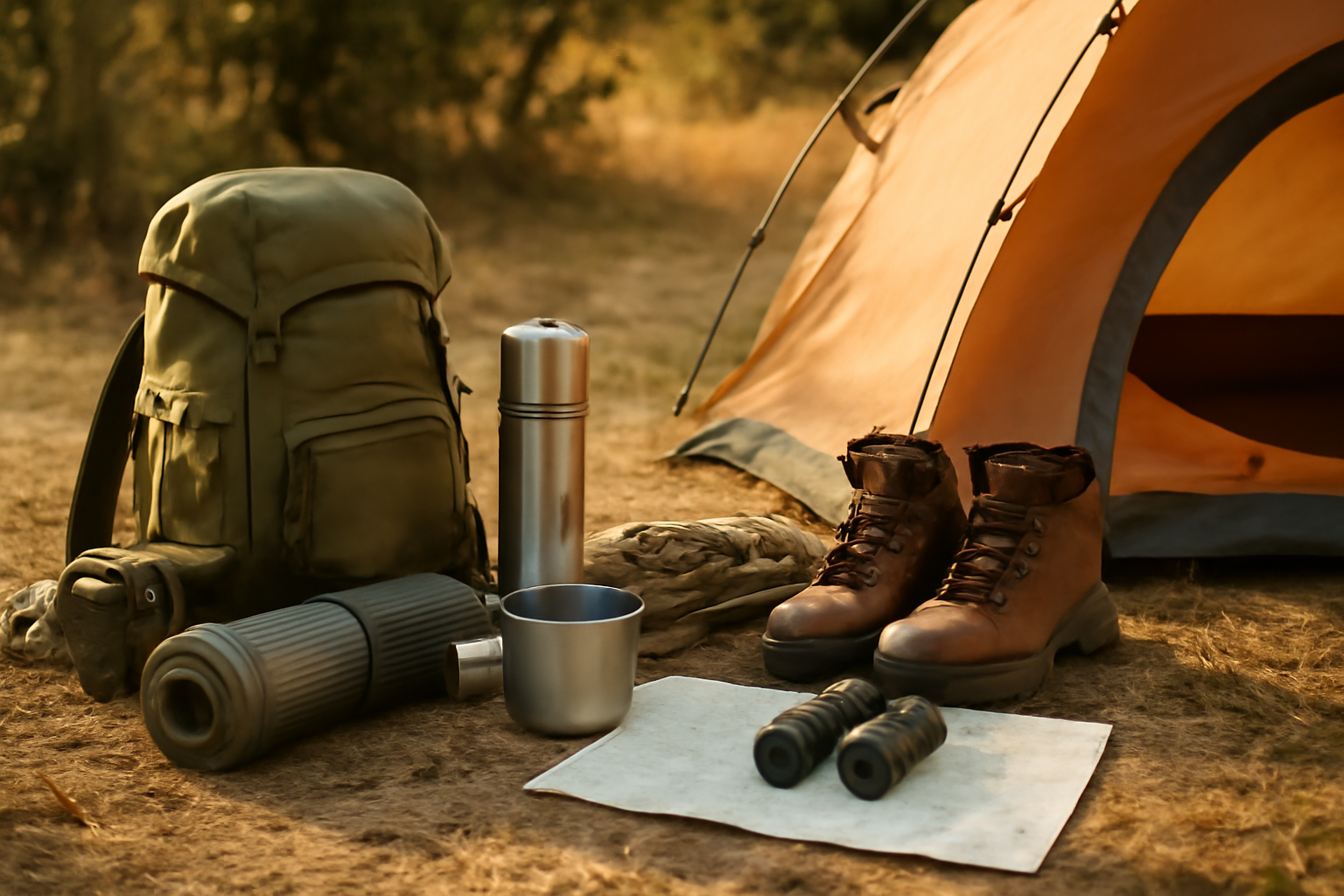
Embarking on an outdoor adventure requires more than just a spirit for exploration; it demands the right gear to ensure safety, comfort, and enjoyment. Whether you're a seasoned backpacker or a weekend camper, understanding the essentials of camping and hiking equipment is key to maximizing your experience in nature.
This comprehensive guide will cover everything you need to know about camping and hiking equipment, from the must-have basics to advanced gear options. We'll help you navigate your choices, making it easier to prepare for your next adventure in the great outdoors.
Table of Contents
Understanding Camping and Hiking Equipment
Camping and hiking equipment encompasses a wide range of gear designed to support outdoor activities. It's essential to choose the right equipment based on the type of adventure you're planning, the duration, and the environment. Let's break down the main categories of gear you'll need.
1. Shelter
A safe and comfortable shelter is crucial for any camping trip. This category includes tents, hammocks, and tarps.
Types of Shelters
- Tents: Available in various sizes and designs, tents protect you from the elements and provide a comfortable sleeping area.
- Hammocks: Ideal for lightweight backpacking, hammocks offer a cozy sleeping option suspended between two trees.
- Tarps: Versatile and lightweight, tarps can serve as a shelter or ground cover.
2. Sleeping Gear
Good sleep is essential for energy during your hike or camping trip. Consider investing in the following:
Key Components
- Sleeping Bags: Choose a sleeping bag based on temperature ratings and insulation type-down or synthetic.
- Sleeping Pads: These provide insulation and cushioning from the ground, enhancing your comfort level.
- Pillows: Lightweight camping pillows or stuff sacks filled with clothes can improve sleep quality.
3. Cooking Equipment
Cooking in the great outdoors can be rewarding, and having the right gear makes it easy. Essential cooking equipment includes:
Cooking Essentials
- Camp Stove: Portable stoves allow you to cook meals efficiently while camping.
- Cookware: Look for lightweight pots and pans designed for outdoor cooking.
- Utensils: Bring along multi-tools, spatulas, and collapsible utensils for convenience.
4. Clothing and Footwear
Your choice of clothing and footwear can significantly impact your comfort during outdoor activities. Focus on layering and materials suitable for various weather conditions.
Clothing Layers
- Base Layer: Moisture-wicking fabrics keep you dry and comfortable.
- Insulating Layer: Fleece or down jackets provide warmth without bulk.
- Shell Layer: Waterproof and windproof jackets protect against the elements.
Footwear
Invest in sturdy hiking boots or shoes that provide support, traction, and comfort tailored to your hiking terrain.
5. Navigation and Safety Gear
Safety should always be a priority while camping and hiking. Equip yourself with essential navigation and safety tools:
Must-Have Gear
- Map and Compass: Always have a physical map and compass, even if you plan to use a GPS device.
- First Aid Kit: A well-stocked first aid kit is crucial for treating minor injuries.
- Headlamp or Flashlight: For visibility at night, choose a reliable light source with extra batteries.
6. Hydration Solutions
Staying hydrated is vital during outdoor activities. Consider the following hydration solutions:
Options to Stay Hydrated
- Water Bottles: Choose durable, BPA-free water bottles that are easy to carry.
- Hydration Reservoirs: These fit into your backpack and allow for hands-free drinking through a tube.
- Water Filters or Purification Tablets: Essential for making sure your water source is safe to drink.
7. Miscellaneous Gear
Beyond the essentials, some additional gear can enhance your camping and hiking experience:
Useful Extras
- Multi-tools: Versatile tools come in handy for various tasks around the campsite.
- Camp Chairs: Comfortable seating is a luxury worth considering for relaxation.
- Backpacking Packs: Choose a well-fitted pack that distributes weight evenly for long hikes.
Choosing the Right Equipment
When selecting camping and hiking equipment, there are several factors to consider to ensure you make the best choices:
1. Consider Your Adventure Type
Are you planning a short day hike, a multi-day backpacking trip, or a family camping outing? The type of trip will dictate the gear you need. For a day hike, you may only need a small daypack, water, snacks, and a first-aid kit. In contrast, a multi-day backpacking trip requires a larger backpack, a tent, a sleeping bag, cooking equipment, and more food supplies. For family camping, consider the size of your group and the amenities you want, such as a larger tent, portable chairs, and a cooler for food storage. Creating a checklist based on your specific adventure type will help ensure you don't forget essential items.
2. Understand the Environment
Different terrains and climates require specific gear. Research the area you'll be exploring to adapt your packing list accordingly. For example, if you're heading to a mountainous region, sturdy hiking boots with good ankle support are a must. In contrast, if you're camping in a wet environment, waterproof gear and a rainfly for your tent are essential. Check the weather forecast for temperature ranges and potential precipitation, and pack layers to accommodate changing conditions. A checklist of environmental factors can include:
- Terrain type (rocky, muddy, flat)
- Expected weather conditions (rain, snow, heat)
- Wildlife considerations (bears, insects)
3. Prioritize Weight and Portability
If you're hiking long distances, lightweight gear can significantly affect your comfort and endurance. When camping, balance weight with comfort based on your needs. For instance, while a heavier tent may provide more comfort, it can be cumbersome on long hikes. Consider using lightweight alternatives, such as a hammock or a tarp, if you're camping in a suitable area. Additionally, pack only what you need-eliminate unnecessary items to keep your load manageable. A practical tip is to weigh your gear before packing it and aim for a total pack weight that is no more than 20% of your body weight for comfort during hikes. Here's a quick checklist for lightweight packing:
- Opt for a lightweight sleeping bag and mat
- Choose a compact cooking system
- Carry multi-purpose tools instead of multiple individual items
4. Budget Wisely
Investing in quality gear can save you money in the long run, as higher-quality equipment often lasts longer and performs better. However, it's important to set a realistic budget that aligns with your outdoor ambitions. Research brands and read reviews to find the best value for your money. Look for sales and consider purchasing second-hand gear from reputable sources if you're on a tight budget. Keep in mind that some items, like a good pair of hiking boots or a reliable tent, are worth spending more on due to their importance in your safety and comfort. Here's a budgeting checklist to help you allocate funds effectively:
- Prioritize essential gear first (boots, tent, backpack)
- Set aside funds for maintenance and repairs
- Consider future adventures when budgeting for gear upgrades
Common Mistakes to Avoid
Even experienced outdoor enthusiasts can make mistakes when it comes to gear. Here are some common pitfalls to avoid:
1. Overpacking
Bringing too much gear can weigh you down. Focus on essentials and multifunctional items. Here's how to avoid overpacking:
- Create a Packing List: Start with a checklist of necessary items. Include food, water, shelter, clothing, and first aid supplies. Stick to this list to avoid impulse packing.
- Prioritize Multi-use Gear: Choose items that serve multiple purposes. For example, a camping stove that can also be used for cooking and boiling water saves space.
- Pack Light: Aim for lightweight materials. Opt for a compact sleeping bag, a lightweight tent, and choose clothing made from quick-drying fabrics.
- Test Your Pack Weight: Before your trip, load your backpack with all your gear and take it for a short hike. If it feels heavy, reassess your items.
2. Ignoring Weather Conditions
Check the forecast and prepare for unexpected weather changes to ensure safety and comfort. Here are steps to stay informed:
- Use Reliable Sources: Check weather apps or websites that provide up-to-date forecasts for the area you'll be in. Look for potential weather alerts.
- Pack Weather-Appropriate Gear: Bring clothing layers, waterproof gear, and sun protection. A lightweight rain jacket and thermal layers can make a big difference.
- Prepare for Emergencies: Always pack a small emergency kit that includes a space blanket, extra food, and a first aid kit. This ensures you're ready for unexpected weather changes.
- Know the Signs: Familiarize yourself with natural warning signs of changing weather, like sudden drops in temperature or darkening skies, so you can act quickly.
3. Neglecting to Test Gear Before Use
Familiarize yourself with your equipment at home or in a controlled environment before hitting the trails. Here are some tips to effectively test your gear:
- Practice Setup: If you're using a tent, set it up in your backyard or living room. Ensure you know how to assemble it quickly, especially in poor weather conditions.
- Test Cooking Equipment: Try using your camping stove or portable grill at home. This helps you understand how long it takes to boil water or cook food.
- Wear Your Gear: Before heading out, wear your hiking boots or backpack on short walks. This allows you to break them in and identify any discomfort.
- Check Battery Life: For any electronic gear, such as flashlights or GPS devices, check the battery life and bring extras if needed.
4. Underestimating the Importance of Hydration
Staying hydrated is crucial, yet many overlook this aspect. Here's how to ensure you're drinking enough:
- Plan Your Water Sources: Research water sources along your route. Bring a water filter or purification tablets if you plan to use natural water sources.
- Set Reminders: Use a watch or phone to set reminders to drink water regularly, especially during strenuous hikes.
- Carry Enough Water: Always have enough water for your trip duration. A good rule of thumb is to drink about half a liter every hour of moderate activity.
5. Failing to Prepare for Wildlife Encounters
Wildlife encounters can be thrilling but also dangerous if not properly prepared. Here's how to stay safe:
- Learn About Local Wildlife: Research the animals in the area you're visiting. Understand their behavior and what to do if you encounter them.
- Store Food Properly: Use bear-proof containers or hang food at least 10 feet off the ground and 4 feet from the trunk of trees to prevent attracting wildlife.
- Make Noise: When hiking in areas with known wildlife, make noise to avoid surprising animals. Talking or using bear bells can help.
- Carry Bear Spray: If you're in bear country, carry bear spray and know how to use it effectively in case of an encounter.
Conclusion
Equipping yourself with the right camping and hiking gear is essential for enjoying a safe and comfortable outdoor experience. By understanding the various types of equipment, choosing wisely based on your needs, and avoiding common mistakes, you can enhance your adventures in nature. Remember, the right gear not only supports your journey but also enriches your connection with the great outdoors. Happy exploring!
Final Checklist for Camping and Hiking Gear
- Clothing: Layer your clothing to adapt to changing weather conditions. Include moisture-wicking base layers, insulating mid-layers, and waterproof outer layers.
- Footwear: Invest in well-fitted hiking boots or shoes suitable for the terrain. Remember to break them in before your trip to avoid blisters.
- Backpack: Choose a backpack that fits comfortably and has enough capacity for your gear. Look for features like hydration reservoirs and multiple compartments.
- Navigation Tools: Bring a map, compass, and GPS device. Familiarize yourself with their use before heading out.
- Cooking Equipment: Pack a portable stove, fuel, cooking utensils, and lightweight cookware. Don't forget matches or a lighter!
- First Aid Kit: Ensure your kit is stocked with essentials like band-aids, antiseptic wipes, and any personal medications.
- Sleeping Gear: Consider a sleeping bag rated for the season and a sleeping pad for comfort. A tent with a rainfly is also crucial for shelter.
- Food and Water: Plan your meals and pack non-perishable food items. Carry enough water or a water filtration system to stay hydrated.
Avoiding Common Mistakes
While preparing for your outdoor adventure, keep these common mistakes in mind to ensure a smooth experience:
- Overpacking: Only bring what you need. A heavy backpack can lead to fatigue. Use a packing list to avoid unnecessary items.
- Neglecting Weather Conditions: Always check the weather forecast before your trip. Be prepared for sudden changes in conditions.
- Ignoring Gear Maintenance: Regularly inspect and maintain your equipment. Check for wear and tear, and clean gear after use to prolong its lifespan.
- Forgetting to Plan: Have a clear plan for your route, including estimated times and waypoints. Share your itinerary with someone who isn't going.
- Underestimating Your Abilities: Choose trails that match your skill level. It's better to start with easier hikes and gradually take on more challenging terrain.
Enhancing Your Outdoor Experience
The right gear can transform your outdoor experience from ordinary to extraordinary. Here are a few tips to enhance your adventures:
- Stay Connected: Consider a portable charger for your devices, but remember to enjoy the moment without screens.
- Document Your Journey: Bring a journal or camera to capture memories and reflections from your trips.
- Engage with Nature: Take time to observe wildlife, plants, and the environment around you. This connection can deepen your appreciation for the outdoors.
- Join a Community: Connect with fellow outdoor enthusiasts through local clubs or online forums. Sharing experiences can provide valuable insights and tips.
Ultimately, the right camping and hiking equipment will not only prepare you for the adventure ahead but also foster a deeper appreciation for the beauty and serenity of nature. With proper planning and the right gear, you can create unforgettable memories every time you step outside.
- How-to: how to choose camping gear for beginners
- How-to: how to maintain hiking equipment
- How-to: how to pack for a camping trip (coming soon)
- How-to: how to improve your hiking skills (coming soon)
- Problem / Fix: common mistakes with camping gear (coming soon)
- Problem / Fix: why hiking equipment can be overwhelming (coming soon)
- Problem / Fix: fixing issues with camping gear (coming soon)
- Comparison: camping gear vs hiking gear (coming soon)
- Comparison: beginner vs advanced hiking techniques (coming soon)
- Scenario: camping equipment for family outings (coming soon)
- Scenario: choosing the right tent for camping (coming soon)
- Buyer decision: what to consider when buying hiking shoes (coming soon)
- Buyer decision: is investing in camping gear worth it? (coming soon)
- FAQ: what does waterproof mean in hiking gear? (coming soon)
- FAQ: how does a camping stove work? (coming soon)