
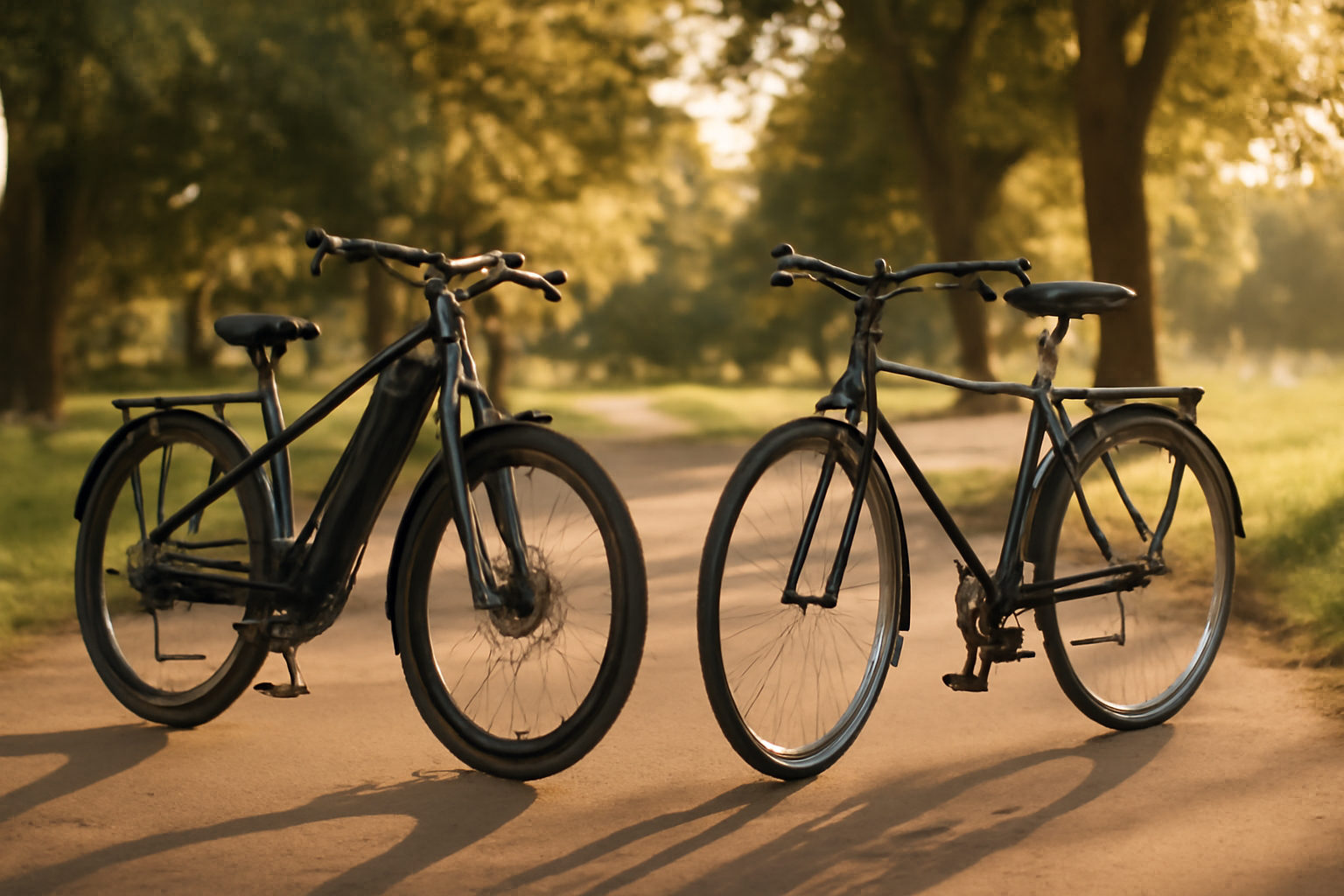
As more people embrace cycling as a means of transportation and recreation, understanding the differences between e-bikes and traditional bikes becomes essential. Both types of bicycles offer unique advantages and potential drawbacks, making the right choice dependent on your specific needs and preferences.
This comparison will delve into the features, benefits, and limitations of e-bikes and traditional bikes, helping you determine which option aligns best with your lifestyle and outdoor adventures.
Table of Contents
Understanding E-Bikes
E-bikes, or electric bikes, are bicycles equipped with a battery-powered motor that assists with pedaling. This technology allows for easier navigation of hilly terrain and longer distances without as much physical effort. E-bikes come in various styles, including electric mountain bikes, making them a versatile choice for different riding environments.
Key Features of E-Bikes
- Motor Assistance: E-bikes provide varying levels of pedal assistance, making rides less strenuous.
- Range: Depending on the battery, e-bikes can cover significant distances, often exceeding what traditional bikes can achieve without extensive physical exertion.
- Speed: With a motor, e-bikes can reach higher speeds more quickly than traditional bikes.
Exploring Traditional Bikes
Traditional bikes rely solely on human power, requiring riders to pedal for propulsion. While they may not offer the instant assistance of an electric motor, traditional bikes provide a more immersive cycling experience, often preferred by cycling purists. challenges for new e-bike riders.
Key Features of Traditional Bikes
- Lightweight: Generally, traditional bikes are lighter than e-bikes, which can enhance maneuverability and ease of transport.
- No Battery Required: Riders don't have to worry about battery life or charging, allowing for spontaneous rides.
- Cost-Effective: Traditional bikes usually have a lower upfront cost and fewer maintenance expenses.
Comparative Analysis: E-Bikes vs Traditional Bikes
| Feature | E-Bikes | Traditional Bikes |
|---|---|---|
| Assistance | Pedal-assist motor | No motor assistance |
| Weight | Heavier due to battery and motor | Lighter, easier to handle |
| Speed | Higher speeds with less effort | Speed depends on rider effort |
| Cost | Generally higher initial cost | Lower initial cost |
| Maintenance | Batteries require charging and occasional replacement | Less maintenance, no battery issues |
Detailed Breakdown of Features
Assistance
E-bikes come equipped with a pedal-assist motor that provides varying levels of assistance based on the rider's input. This feature can be particularly beneficial for those who may struggle with steep hills or long distances. Riders can adjust the level of assistance to suit their needs, making it easier to tackle challenging terrains. In contrast, traditional bikes rely solely on human power, meaning that the rider must exert full effort to propel the bike, which can lead to fatigue over longer rides. **Practical Tips:** - When choosing an e-bike, consider the types of terrain you'll be riding on. If you plan to tackle steep hills frequently, opt for a bike with a higher wattage motor for better assistance. - Test ride various e-bikes to find one that offers the right balance of assistance for your riding style.Weight
E-bikes tend to be heavier than traditional bikes due to the inclusion of a battery and motor. This added weight can affect handling and maneuverability, especially for newer riders. However, many e-bikes are designed with weight distribution in mind, making them easier to control despite their heft. Traditional bikes, being lighter, are generally easier to transport, especially if you need to carry them up stairs or load them onto a vehicle. **Common Mistakes:** - Don't underestimate the importance of weight. If you plan on frequently lifting or transporting your bike, consider a lighter model or one designed for easy transport. - Be mindful of the weight capacity of your e-bike, especially if you plan on carrying additional gear.Speed
E-bikes allow riders to reach higher speeds with less effort, which is a significant advantage for those looking to cover more distance quickly. The pedal-assist feature means that even less experienced riders can keep up with faster cyclists. Traditional bikes require more physical effort to achieve similar speeds, which can be a limiting factor for some riders. **Checklist for Speed Considerations:** - Assess your fitness level and how much effort you want to exert while riding. - If speed is a priority, consider the maximum speed limit for e-bikes in your area, as some regions have regulations on how fast they can assist.Cost
The initial cost of e-bikes is generally higher than that of traditional bikes, due to the technology involved in their design. However, it's essential to consider the long-term investment. E-bikes can save money on transportation costs and may encourage more frequent use, potentially replacing car trips. Traditional bikes, while cheaper upfront, may require additional costs for accessories, maintenance, and repairs over time. **Budgeting Tips:** - Factor in potential savings from reduced transportation costs when considering an e-bike. - Look for financing options or sales events that can make purchasing an e-bike more affordable.Maintenance
E-bikes require more maintenance than traditional bikes due to their electrical components. Regular battery charging and occasional replacement are necessary, and the motor may need servicing over time. Traditional bikes, on the other hand, generally require less maintenance, focusing on basic tire and brake upkeep. **Maintenance Checklist for E-Bikes:** - Regularly check the battery charge and ensure it's fully charged before long rides. - Schedule periodic inspections for the motor and electrical components to ensure optimal performance. - Keep an eye on tire pressure and brake function, just as you would with a traditional bike. In conclusion, both e-bikes and traditional bikes have their unique advantages and disadvantages. The choice between them should be based on individual needs, riding style, and intended use. Whether you opt for the ease and convenience of an e-bike or the simplicity and lightweight nature of a traditional bike, both can provide fantastic outdoor experiences.Pros and Cons of Each Option
E-Bikes
Pros: Ideal for commuting, reduces physical strain, can tackle challenging terrains with ease, and supports sustainable transportation.
Cons: Heavier, requires charging, generally more expensive, and potential challenges for new e-bike riders, such as learning to manage the motor effectively.
Traditional Bikes
Pros: Straightforward mechanics, excellent exercise, lighter weight, and no reliance on batteries.
Cons: Can be physically demanding, may not be suitable for longer distances or steep hills, and less versatile in terms of terrain adaptability.
Which Option Fits You?
Your choice between an e-bike and a traditional bike will depend on your cycling goals and lifestyle. Here's a quick guide:
- Choose an E-Bike If: You want to make cycling more accessible, need assistance on hills or longer rides, or are looking for an alternative commuting option that promotes sustainable transportation.
- Choose a Traditional Bike If: You enjoy the physical challenge of cycling, prefer a lightweight ride, or want a more cost-effective and low-maintenance option.
Considerations for Your Decision
When choosing between an e-bike and a traditional bike, consider factors such as:
- Your primary use case (commuting, recreation, exercise)
- The types of terrain you'll be riding on
- Your budget for purchasing and maintaining the bike
- How much physical exertion you're willing to commit to
1. Primary Use Case
Understanding your primary use case is essential in determining which bike suits you best. Here are some scenarios to consider:
- Commuting: If you're using your bike for daily commuting, an e-bike can help you arrive at work without breaking a sweat. Look for models with a good battery range that can handle your commute distance, and consider features like built-in lights and fenders for safety and convenience.
- Recreation: For leisurely rides, both e-bikes and traditional bikes can be enjoyable. However, an e-bike might allow you to explore longer distances or more challenging trails with less fatigue. Think about the type of rides you enjoy, whether it's a casual ride in the park or a day-long adventure in the mountains.
- Exercise: If fitness is your goal, a traditional bike may provide a more intense workout. E-bikes can still offer a good workout, especially if you choose to ride in a lower assist mode, but they may not challenge you as much as a traditional bike would.
2. Types of Terrain
The terrain you plan to ride on significantly influences your choice. Consider the following:
- Urban Areas: For city commuting, e-bikes are often equipped with features like step-through frames for easy mounting and dismounting, and they can help you navigate hills and traffic with ease.
- Hilly Regions: If you live in a hilly area, an e-bike provides the extra power needed to tackle steep inclines without exhausting yourself. Look for models with robust motors and good battery life.
- Off-Road Trails: Traditional mountain bikes excel on rugged terrain, but there are also e-mountain bikes designed for off-road use. These bikes typically have wider tires and enhanced suspension systems to handle bumps and obstacles.
3. Budget Considerations
Budget is a crucial factor in your decision-making process. Here are some financial aspects to keep in mind:
- Initial Cost: E-bikes generally have a higher upfront cost compared to traditional bikes due to their electric components. Prices can range from $500 for basic models to over $5,000 for high-end e-bikes.
- Maintenance Costs: Consider ongoing costs such as battery replacement, which can be significant for e-bikes. Traditional bikes typically have lower maintenance costs, but you will still need to budget for regular tune-ups, tire replacements, and gear maintenance.
- Insurance and Accessories: E-bikes may require additional insurance due to their higher value. Additionally, consider the cost of accessories like helmets, lights, and locks, which are important for both bike types.
4. Physical Exertion
Your willingness to exert yourself while riding can greatly affect your choice. Evaluate the following:
- Fitness Level: If you're looking to improve your fitness, a traditional bike may provide a more rigorous workout. E-bikes can still offer exercise, especially if you opt for a less assistive mode.
- Ride Duration: If you plan to ride for extended periods, an e-bike can help reduce fatigue, allowing you to enjoy longer rides without the exhaustion that often comes with traditional biking.
- Health Considerations: If you have health concerns or physical limitations, an e-bike can make cycling more accessible and enjoyable. It allows you to adjust the level of assistance based on your comfort and energy levels.
5. Test Rides and Research
Before making a final decision, it's wise to test ride both e-bikes and traditional bikes. Here's how to effectively evaluate them:
- Visit Local Shops: Many bike shops offer test rides. Take advantage of this to feel the differences firsthand.
- Ask Questions: Speak to knowledgeable staff about the features and benefits of each type. They can provide insights based on your intended use and preferences.
- Read Reviews: Look for online reviews and user experiences. Understanding how others feel about their bikes can provide valuable perspective.
By thoroughly considering these factors, you can make an informed decision that aligns with your lifestyle and riding goals. Whether you choose an e-bike or a traditional bike, both options offer unique benefits that can enhance your outdoor adventures.
Conclusion
Ultimately, whether you select an e-bike or a traditional bike will depend on your individual needs and preferences. Both options offer unique benefits that can enhance your outdoor experiences, whether you're exploring new trails or commuting through the city. To make the most informed decision, consider your riding style, the challenges you may face, and the type of adventures you envision. Explore your options and discover which bike aligns best with your outdoor activities!
Key Considerations for Your Decision
- Riding Style: Evaluate how you plan to use your bike. If you're looking for leisurely rides or daily commuting, an e-bike may provide the extra boost you need. For more intense workouts or traditional cycling experiences, a standard bike might be ideal.
- Terrain: Consider the type of terrain you will be riding on. E-bikes handle hills and rough surfaces well, making them suitable for varied landscapes. Traditional bikes are often lighter and can be more efficient on flat, paved roads.
- Budget: E-bikes typically come with a higher price tag due to their technology. Assess your budget and determine if the investment aligns with your cycling goals.
- Maintenance: E-bikes require more maintenance due to their electrical components. Familiarize yourself with the upkeep required for both types to ensure you're prepared for long-term ownership.
- Fitness Goals: If fitness is a primary motivation, a traditional bike might be better suited as it requires more physical effort. E-bikes can still provide a workout, but they do offer assistance that may lessen the intensity.
Practical Steps to Make Your Choice
- Test Ride: Visit local bike shops to test ride different models. This hands-on experience will give you a feel for how each bike handles and performs.
- Research: Look into various brands and models. Read reviews and watch videos to understand the features and benefits of each bike type.
- Consult with Experts: Engage with knowledgeable staff at bike shops or online forums. They can provide insights tailored to your specific needs.
- Join Local Cycling Groups: Connect with other cyclists in your area to learn from their experiences. They can offer advice on the best bikes for local trails and conditions.
- Evaluate Your Lifestyle: Consider how often you plan to ride and where. If you have limited storage or plan to transport your bike frequently, weight and size may be significant factors.
Common Mistakes to Avoid
- Not Considering Your Needs: Avoid choosing a bike based solely on trends or recommendations. Focus on what fits your lifestyle and riding preferences.
- Overlooking Accessories: Remember to factor in the cost of necessary accessories such as helmets, lights, and locks when budgeting for your bike.
- Ignoring Local Regulations: Check local laws regarding e-bike usage, as regulations can vary significantly by location.
- Neglecting Test Rides: Skipping test rides can lead to discomfort or dissatisfaction. Always try before you buy to ensure a good fit.
In conclusion, both e-bikes and traditional bikes have their distinct advantages and are designed to cater to different riding styles and preferences. By considering your unique needs, conducting thorough research, and avoiding common pitfalls, you can confidently choose the bike that will elevate your outdoor adventures. Whether you're gliding through city streets or conquering rugged trails, the right bike will enhance your experience and encourage you to explore even more!