
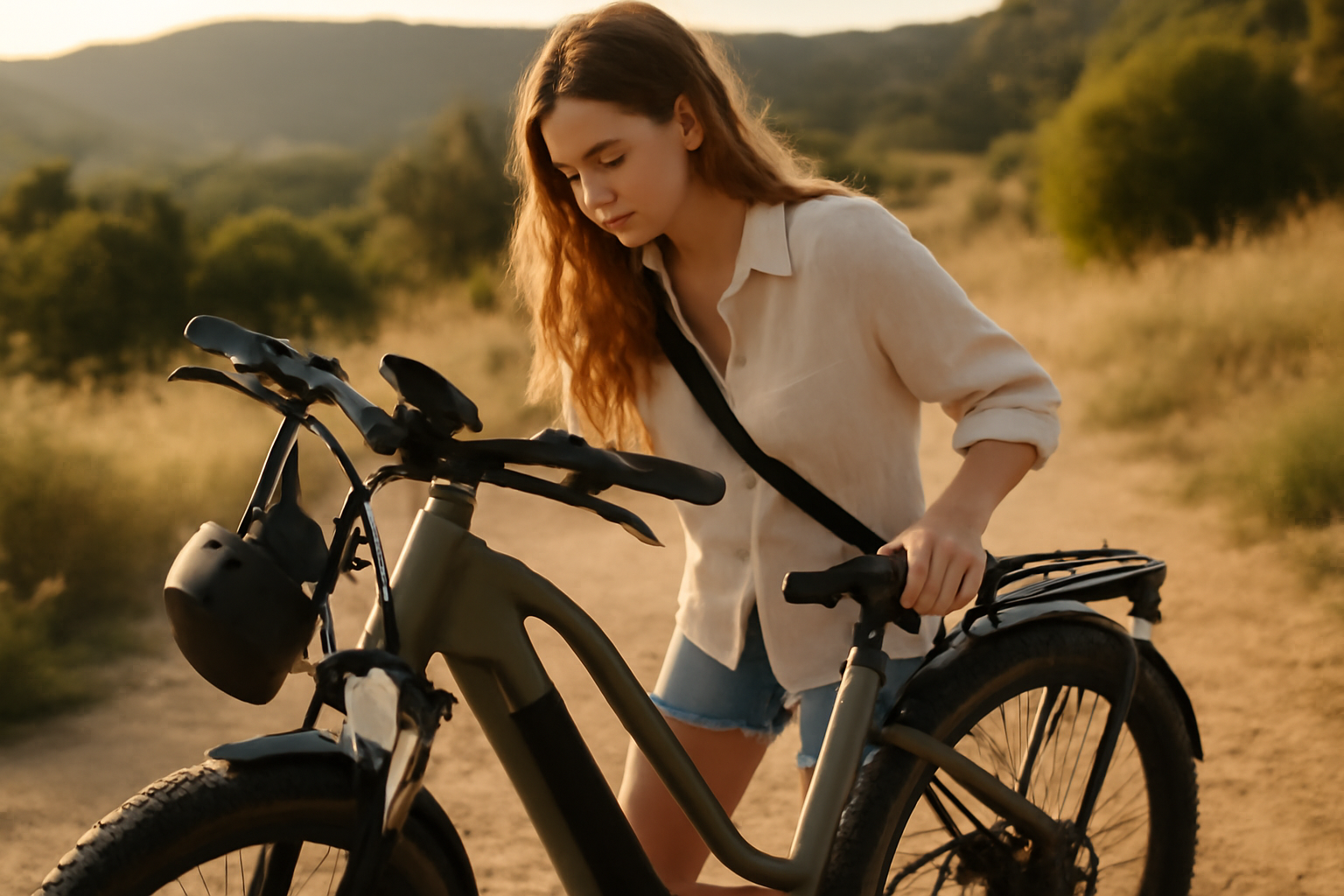
Finding the perfect E-bike can be a thrilling yet daunting task, especially with the plethora of options available today. Whether you're an outdoor enthusiast looking to conquer rugged trails or someone seeking sustainable transportation for your daily commute, knowing what to consider when buying an E-bike is essential.
This guide will walk you through key factors to help you make an informed decision, ensuring you choose an E-bike that fits your lifestyle and needs. From understanding battery life to assessing features tailored for urban use, we've got you covered!
Table of Contents
Who This Guide Is For
This guide is designed for anyone interested in purchasing an E-bike, whether you're a beginner or a seasoned rider. If you are:
- An adventure seeker looking to explore trails with an electric mountain bike
- A commuter facing commuting challenges in cities
- A casual rider wanting to enjoy leisurely rides
Understanding your specific needs will help you select an E-bike that enhances your outdoor experiences or simplifies your daily travels. City commuting solutions.
To help you further, here are some additional considerations based on your riding intentions:
Adventure Seekers
If you're an adventure seeker, you likely prioritize performance and durability. When considering an E-bike for off-road trails, look for the following:
- Frame Material: Choose a lightweight yet sturdy material like aluminum or carbon fiber for better handling on rough terrain.
- Motor Power: A motor with at least 500W will provide the necessary torque for steep inclines and rugged paths.
- Battery Capacity: Aim for a battery that offers a range of at least 50 miles to ensure you can tackle longer trails without worrying about running out of power.
- Suspension: Full suspension bikes can absorb shocks better, providing a smoother ride on uneven surfaces.
Before making a purchase, test ride a few models to see how they handle on your preferred trails. Additionally, consider joining local mountain biking groups to gain insights on the best E-bikes for specific trails.
Commuters
For those facing commuting challenges, an E-bike can make daily travel more efficient. Here are key factors to consider:
- Weight: A lighter bike is easier to maneuver and carry, especially if you need to lift it onto public transport.
- Battery Life: Consider how far your commute is and choose a bike with a battery that can last your entire journey, ideally with some extra capacity for detours.
- Comfort Features: Look for ergonomic handlebars and a comfortable seat to make your daily rides enjoyable.
- Fenders and Lights: These accessories can enhance your safety and keep you clean during wet weather.
Also, think about where you will store your E-bike. If you have limited space, opt for a foldable model that can easily fit in your apartment or office.
Casual Riders
If your goal is to enjoy leisurely rides, comfort and ease of use will be your top priorities. Consider the following:
- Step-Through Frame: This design allows for easy mounting and dismounting, making it ideal for casual rides.
- Pedal Assist Levels: Look for bikes that offer multiple levels of pedal assist, allowing you to control how much help you want from the motor.
- Accessories: Consider additional features like baskets or racks for carrying items, as well as comfortable grips and seat padding for longer rides.
Before buying, take the time to test different models at local shops or events. This will help you find the right fit and comfort level for your riding style.
By identifying your specific riding style and needs, you can make a more informed decision when purchasing an E-bike, ensuring it aligns perfectly with your lifestyle and enhances your outdoor adventures or daily commutes.
Key Factors to Consider When Buying an E-bike
1. Purpose and Use
Identifying the primary purpose of your E-bike is crucial. Are you planning to use it for commuting, recreational riding, or tackling off-road trails? Different E-bikes are designed for different uses. For example, an electric mountain bike is ideal for rugged terrains, while city-oriented models feature designs suited for urban commuting.
2. Battery Life and Range
Battery life is a major consideration. Most E-bikes offer a range between 20 to 100 miles on a single charge. If you plan to use your bike for long rides or daily commuting, opt for a model with a longer range. Additionally, consider how long it takes to recharge the battery. Quick recharging times can be a significant convenience.
3. Motor Power and Type
The motor's power, typically measured in watts, affects the bike's performance. Higher wattage usually means more power for climbing hills and carrying heavier loads. Also, consider whether you want a hub motor (located in the wheel) or a mid-drive motor (located at the bike's crank) since each offers different riding experiences.
4. Weight and Frame Material
The weight of the E-bike can impact your riding experience, especially if you need to carry it or maneuver it frequently. Lighter materials like aluminum or carbon fiber are great for performance but may come at a higher price. If you're planning to use your E-bike for outdoor adventures, ensure the frame is durable enough for your intended activities.
5. E-bike Features for Urban Use
If you're primarily riding in urban environments, look for features that enhance safety and convenience. Integrated lights, fenders, and racks can be essential for city riding. Additionally, consider whether the bike has a display that shows speed, battery life, and distance traveled, which can be incredibly useful for monitoring your rides.
6. Comfort and Fit
Lastly, comfort should never be overlooked. Ensure that the bike fits your size and riding style. Test riding different models can help you determine the right fit, including saddle comfort, handlebar height, and overall riding posture.
Common Pitfalls to Avoid
Even with thorough research, it's easy to make a few common mistakes when selecting an E-bike. Being aware of these pitfalls can help you make a more informed decision and ensure you choose the right bike for your needs.
- Ignoring the bike's weight, which can lead to difficulties in handling. Tip: If you're planning to carry your E-bike up stairs or load it onto a vehicle, consider the weight carefully. A lighter bike is generally easier to maneuver, especially for those who may not have the strength to lift heavier models.
- Overlooking battery specifications; a lower capacity battery could limit your riding distance. Checklist:
- Check the amp-hour (Ah) rating of the battery. A higher Ah rating generally means longer range.
- Consider the voltage (V) as it affects the overall power output. Common options are 36V and 48V.
- Look for information on the battery's lifespan and warranty, which can indicate durability.
- Neglecting to test ride; every bike feels different, and personal comfort is key. Steps to take:
- Visit local bike shops or retailers that allow test rides.
- Pay attention to the fit; ensure the bike frame is the right size for your height.
- Test various terrains to see how the bike handles different conditions, such as hills or rough paths.
- Focusing solely on price; while budget is important, choosing quality can save costs in the long run. Common mistakes:
- Opting for the cheapest model without considering the features and build quality.
- Ignoring the potential costs of maintenance and repairs on lower-quality bikes.
- Not factoring in the long-term savings of investing in a more durable bike that may require fewer repairs.
By keeping these common pitfalls in mind and taking a proactive approach, you can avoid making poor choices and ensure that your E-bike purchase aligns with your needs and riding style. Remember, investing time in research and consideration will pay off when you find the perfect E-bike for your adventures.
Decision Checklist
Use this checklist to ensure you're considering all relevant factors:
- Define your main purpose for the E-bike.
- Are you planning to use it for commuting, recreational riding, or off-road adventures? Each purpose may require different features.
- For commuting, look for features like fenders, lights, and a sturdy rack for carrying items.
- If you're into off-roading, prioritize suspension systems and rugged tires.
- Assess battery life and range based on your needs.
- Determine how far you typically travel in a single trip. Most E-bikes offer a range between 20 to 100 miles on a full charge.
- Consider the availability of charging stations along your route if you're commuting.
- Check the charging time; some batteries can take several hours to recharge fully.
- Evaluate motor power and type for your desired riding experience.
- Understand the difference between hub motors and mid-drive motors. Hub motors are generally more straightforward and require less maintenance, while mid-drive motors offer better balance and efficiency on hills.
- Look for wattage: a motor with 250W is suitable for flat terrain, while 500W or more is better for hilly areas.
- Consider the torque output if you plan on tackling steep inclines; higher torque means better performance on hills.
- Consider the weight and frame material for durability and handling.
- Lightweight materials like aluminum are easier to handle but may be less durable than steel. Assess your own strength and comfort level when lifting or maneuvering the bike.
- Check the weight of the E-bike, especially if you plan on transporting it. A lighter bike is easier to carry and store.
- Look for a bike with a sturdy frame that can withstand rough terrains if you plan to ride off-road.
- Look for urban-specific features if commuting is your focus.
- Consider integrated lights, reflective surfaces, and a comfortable saddle for longer rides.
- Check for locking mechanisms and anti-theft features, as urban areas may have higher theft rates.
- Evaluate the bike's ability to carry cargo, such as panniers or baskets, which can be crucial for daily commuting.
- Test ride to ensure comfort and fit.
- Visit local bike shops to try multiple models. Pay attention to how the bike feels while riding, especially on different terrains.
- Check the adjustability of the seat and handlebars to find a comfortable position.
- Don't hesitate to ask the staff for advice on sizing and fit; they can help you find the right model for your body type and riding style.
Quick Picks by Scenario
Here are some suggestions based on different riding scenarios:
- Beginner: Look for a lightweight E-bike with moderate motor power and a user-friendly display.
- Intermediate: Consider an electric mountain bike that balances performance with comfort for trail riding.
- Budget: Seek models that offer good battery capacity and features without sacrificing too much on quality.
- Premium: Explore high-end models with advanced features like regenerative braking and smart connectivity.
- Time-Limited: Choose a bike with a quick charging battery to maximize your riding time.
- Flexible Use: Opt for a versatile model that can handle both city commuting and light trail riding.
Conclusion
Choosing the right E-bike is an exciting journey. By considering your specific needs and using the outlined criteria, you can confidently select a bike that enhances your outdoor gear collection and supports your adventures. Whether you're navigating through commuting challenges in cities or enjoying a leisurely ride with family, the right E-bike can significantly enhance your experience. Start your exploration today and embrace the electric bike experience!
As you finalize your choice, remember to take a moment to reflect on the following steps to ensure you've made the best decision:
- Review Your Priorities: Make a list of your top priorities, such as range, speed, weight, and style. This will help you focus on what truly matters to you.
- Test Ride Multiple Models: If possible, visit local shops or events where you can test ride different E-bikes. Pay attention to how each bike feels and performs, as comfort and handling can vary significantly.
- Consider Maintenance and Support: Research the brand's reputation for customer service and the availability of parts. A reliable support system can make a huge difference in your ownership experience.
Common Mistakes to Avoid
When purchasing an E-bike, it's easy to overlook certain aspects. Here are some common pitfalls to avoid:
- Ignoring Battery Life: Ensure that the bike's battery capacity meets your needs. A common mistake is underestimating how far you'll want to ride on a single charge.
- Overlooking Weight: Consider the weight of the E-bike, especially if you plan to lift it or transport it frequently. Heavier bikes can be cumbersome, particularly for urban commuting or when navigating hills.
- Neglecting Local Terrain: Choose an E-bike that is suited for the terrain you'll be riding on. If you plan to tackle steep hills or rough trails, opt for a model with appropriate gearing and robust tires.
Final Checklist
Before making your purchase, use this checklist to ensure you've covered all bases:
- Have you determined your primary use for the E-bike?
- Did you set a budget that includes potential accessories and maintenance?
- Have you researched various brands and models?
- Did you check for warranty and return policies?
- Have you considered insurance options for your E-bike?
In conclusion, investing in an E-bike is not just about the bike itself; it's about enhancing your outdoor lifestyle and making the most of your adventures. By taking the time to consider your options carefully and avoiding common mistakes, you can ensure that your E-bike will be a valuable addition to your outdoor gear collection. So gear up, hit the trails, or cruise through the city, and enjoy the freedom that comes with your new E-bike!