
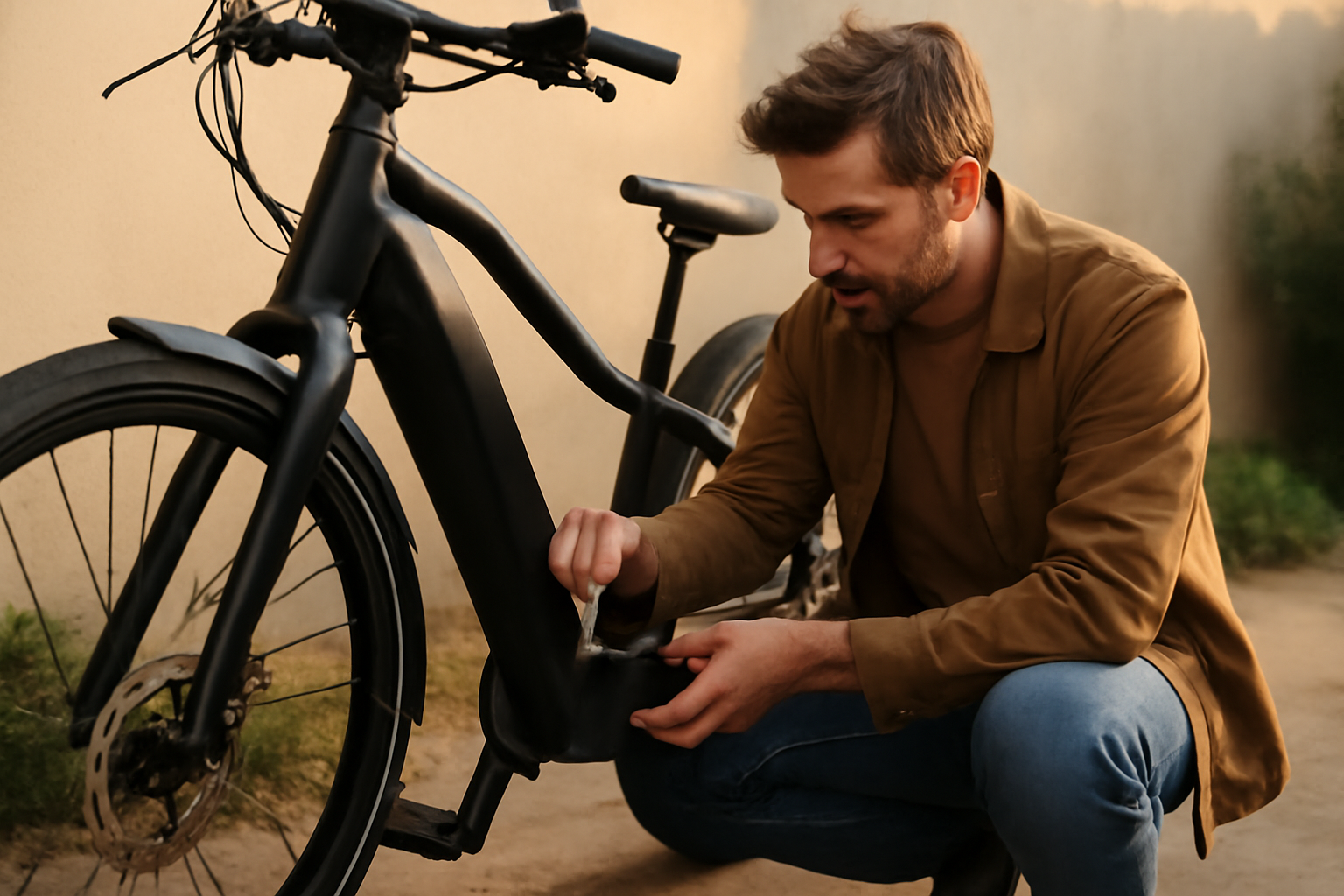
If your E-bike isn't performing at its peak, it can be frustrating. A sluggish feeling can detract from your outdoor adventures, making rides less enjoyable. Understanding the potential reasons behind this issue and knowing how to address it can help you get back to enjoying your rides.
This guide will dive into common symptoms, root causes, and effective solutions to ensure your E-bike operates smoothly. Whether you're an avid cyclist or just starting your electric bike experience, these insights are essential for maintaining your ride.
Table of Contents
Common Symptoms of a Sluggish E-bike
Recognizing the signs that your E-bike isn't functioning optimally is crucial. Here are some typical symptoms:
- Reduced Speed: You may notice that your bike isn't reaching its usual top speeds. This can be particularly frustrating during rides where speed is essential, such as commuting or racing against friends. If your E-bike is consistently lagging behind, it's a clear indicator that something is off.
- Difficulty Climbing: Struggling on inclines is a common sign of an issue. If you find yourself pedaling harder than usual or having to stop and walk your bike up hills that you previously conquered with ease, it could be due to a malfunctioning motor or battery. Consider testing your bike on various inclines to gauge its performance.
- Increased Battery Drain: A drop in battery efficiency can contribute to a sluggish feel. If you notice that your battery depletes faster than normal, it may not be holding a charge effectively. Keeping track of your battery life during rides can help you identify this issue. A good practice is to monitor how many miles you can travel on a full charge and compare it to the manufacturer's specifications.
- Unresponsive Throttle: When the throttle doesn't respond as expected, it can lead to a frustrating ride. If you find that you need to press the throttle multiple times or apply more pressure than usual to get a response, this might indicate a problem with the throttle sensor or wiring. Testing the throttle in a safe environment can help you determine if it's functioning properly.
Additional Symptoms to Watch For
In addition to the primary symptoms listed above, there are other signs that your E-bike might be feeling sluggish. Pay attention to the following: E-bike riding techniques.
- Strange Noises: Unusual sounds such as grinding, clicking, or whirring can indicate mechanical issues with the motor or drivetrain. If you hear anything out of the ordinary, it's best to investigate further to avoid potential damage.
- Vibrations or Shaking: If your bike is vibrating excessively or feels unstable while riding, this could be a sign of misalignment or issues with the tires. Check the tire pressure and alignment to ensure a smooth ride.
- Frequent Error Messages: If your E-bike is equipped with a display panel, keep an eye out for error codes or warnings. These messages can provide valuable insights into what might be malfunctioning.
Checklist for Troubleshooting Sluggishness
To effectively address the sluggishness of your E-bike, follow this checklist:
- Check the battery charge and connections. Ensure that the battery is fully charged and that all connections are secure.
- Inspect tire pressure and tread. Properly inflated tires can significantly affect performance.
- Examine the motor and drivetrain for any visible issues or damage. Look for loose parts or signs of wear.
- Test the throttle in a controlled environment to confirm responsiveness.
- Consult the user manual for error codes if your bike has a display. Follow the troubleshooting steps provided.
By being aware of these symptoms and following the checklist, you can identify and address issues with your E-bike before they escalate into more significant problems. Regular maintenance and prompt attention to these signs will ensure that your rides remain enjoyable and efficient.
Root Causes of Sluggish Performance
Identifying the root causes of your E-bike's sluggishness is essential for effective troubleshooting. Here are some key factors to consider:
1. Battery Issues
The battery is the lifeblood of any E-bike. If it's not functioning properly, it can lead to sluggish performance. Common battery-related issues include:
- Low charge levels or battery wear and tear.
- Battery connections that are loose or corroded.
2. Motor Malfunction
The motor powers your E-bike, and any issues here can significantly affect performance. Look out for:
- Overheating due to prolonged use or inadequate ventilation.
- Electrical problems within the motor that may require professional attention.
3. Tire Pressure
Under-inflated tires can create unnecessary drag, making your E-bike feel sluggish. Always check your tire pressure before heading out on a ride.
4. Weight and Load
Carrying excess weight can slow down your E-bike. Make sure to consider the load, including any gear or accessories you're bringing along.
5. Chain and Gear Issues
Worn-out chains or gears can also lead to sluggishness. Regular maintenance is essential to keep these components in top shape.
Quick Diagnosis
Here's a quick checklist to help you diagnose the issue with your sluggish E-bike:
- Check battery charge and connections.
- Ensure the battery is fully charged. A low battery can significantly reduce performance. Use a multimeter to check the voltage if necessary.
- Inspect the battery connections for corrosion or loose wires. Clean any corrosion with a mixture of baking soda and water to ensure a solid connection.
- Inspect the motor for signs of overheating or electrical issues.
- Listen for unusual noises from the motor, which may indicate mechanical issues.
- Feel the motor casing; it should be warm but not excessively hot. If it is overheating, allow it to cool down before further inspection.
- Check for any error codes on the display panel, which can provide insight into underlying issues.
- Ensure your tires are properly inflated.
- Use a tire pressure gauge to check the PSI. Refer to the manufacturer's specifications for the correct pressure range.
- Inspect tires for punctures or wear that could affect performance. Replace tires if they are worn down or damaged.
- Evaluate your load to ensure it's within reasonable limits.
- Check the manufacturer's guidelines for the maximum weight capacity of your E-bike. Carrying too much weight can slow you down.
- Consider removing any unnecessary items from your bike to lighten the load and improve performance.
- Examine the chain and gears for wear and tear.
- Inspect the chain for rust or stiffness. A clean, lubricated chain is essential for smooth operation. Use a degreaser to clean it, then apply a suitable bike chain lubricant.
- Check the gears for any misalignment or damage. Shift through all gears to ensure they engage smoothly without skipping.
- Replace any worn-out components, such as the chain or cassette, to restore optimal performance.
If you go through this checklist and still experience sluggishness, it may be time to consult a professional technician for a more in-depth diagnosis. Regular maintenance and timely repairs can keep your E-bike performing at its best, ensuring you enjoy every ride to the fullest.
Fix It Fast
Once you've diagnosed the issue, here are some quick fixes to get your E-bike back on track:
1. Charge or Replace the Battery
If your battery is low, give it a full charge. If it's old or damaged, consider replacing it with a high-quality option to restore performance.
2. Clean and Maintain the Motor
Regular cleaning and maintenance can prevent overheating. Ensure the motor is free from dirt and debris, and check for any loose connections.
3. Inflate Tires
Maintaining proper tire pressure is crucial. Use a pressure gauge to inflate your tires to the recommended PSI before each ride.
4. Adjust Your Load
Evaluate what you're carrying. Remove unnecessary items to lighten your load and improve performance.
5. Regular Maintenance on Chains and Gears
Keep your chain lubricated and replace it if it shows signs of wear. Regularly inspect and adjust your gears for smooth operation.
When to Seek Professional Help
While many issues can be addressed at home, some problems may require professional assistance. If you notice persistent sluggishness despite trying the above fixes, or if you suspect a serious motor or electrical issue, it's best to consult a professional.
Recognizing when to seek help can save you time, money, and potential safety hazards. Here are some signs and scenarios where professional evaluation is crucial:
Signs That Indicate Professional Help is Needed
- Unusual Noises: If your E-bike is making grinding, whining, or any other unusual sounds, it could indicate a serious issue with the motor or drivetrain.
- Battery Problems: If your battery is not holding a charge or shows signs of swelling, it's time to consult a professional. Battery issues can be dangerous if not handled correctly.
- Electrical Failures: Flickering lights, malfunctioning displays, or intermittent power loss can indicate electrical issues that require expert diagnostics.
- Inconsistent Performance: If your E-bike's performance varies significantly, such as sudden loss of power or erratic speed changes, it may be time for a professional assessment.
- Physical Damage: Visible damage to the frame, wheels, or electrical components should be evaluated by a professional to ensure safety and functionality.
Steps to Take When Seeking Professional Help
If you find yourself in need of professional assistance, follow these steps to ensure a smooth process:
- Document the Issues: Before contacting a professional, make detailed notes about the problems you're experiencing. Include information about when the issues occur, any troubleshooting steps you've taken, and the overall condition of the E-bike.
- Research Local Repair Shops: Look for reputable E-bike repair shops in your area. Check online reviews, ask for recommendations from fellow riders, and ensure they specialize in E-bike repairs.
- Contact the Repair Shop: Reach out to the chosen shop and describe your E-bike's issues. Ask about their experience with similar problems and their approach to repairs.
- Request an Estimate: Before proceeding with any repairs, ask for a detailed estimate. This should include labor costs, parts needed, and the expected timeline for the repairs.
- Follow Up: If you leave your E-bike for repairs, maintain communication with the shop. Don't hesitate to ask for updates on the progress of the repairs.
Common Mistakes to Avoid
When dealing with E-bike issues, it's essential to avoid common pitfalls that could complicate repairs or lead to further problems:
- Ignoring Warning Signs: Don't overlook minor issues, as they can escalate into more significant problems if left unaddressed.
- Attempting Complex Repairs: If you're not experienced with E-bike mechanics, avoid attempting complex repairs that could worsen the situation.
- Neglecting Regular Maintenance: Regular maintenance is key to preventing issues. Make sure to follow the manufacturer's recommended maintenance schedule.
- Using Non-Compatible Parts: If repairs are needed, ensure that any replacement parts are compatible with your specific E-bike model to avoid further complications.
In summary, while many E-bike issues can be resolved at home, knowing when to seek professional help is crucial for both safety and performance. By recognizing the signs of serious problems, following the right steps when seeking repairs, and avoiding common mistakes, you can ensure your E-bike remains in optimal condition for all your outdoor adventures.
Conclusion
Understanding why your E-bike feels sluggish is key to enjoying your outdoor adventures. By identifying symptoms, diagnosing the root causes, and applying quick fixes, you can enhance your riding experience. Remember to perform regular maintenance to keep your E-bike in top shape for all your Timberline Provisions adventures. Happy riding!
Regular Maintenance Checklist
To ensure your E-bike performs at its best, follow this maintenance checklist:
- Battery Check: Inspect the battery for any signs of damage or wear. Make sure it is fully charged before each ride.
- Tire Pressure: Check the tire pressure regularly. Under-inflated tires can significantly affect performance.
- Brake Inspection: Ensure that brakes are functioning properly. Squeaky or unresponsive brakes can indicate wear.
- Chain Lubrication: Keep the chain lubricated to minimize friction. A dry chain can lead to sluggish performance.
- Gear Adjustment: Ensure that gears shift smoothly. Misaligned gears can cause resistance while pedaling.
Common Mistakes to Avoid
When it comes to maintaining your E-bike, here are some common mistakes to avoid:
- Neglecting Battery Care: Failing to charge your battery properly or letting it deplete completely can shorten its lifespan.
- Ignoring Warning Signs: If you notice unusual noises or changes in performance, don't ignore them. Investigate the issue promptly.
- Skipping Regular Maintenance: Just like any vehicle, E-bikes require regular maintenance. Skipping this can lead to bigger problems down the line.
- Using Incorrect Lubricants: Not all lubricants are suitable for E-bike chains. Always use products specifically designed for bicycle maintenance.
Enhancing Your Riding Experience
To further enhance your riding experience, consider the following tips:
- Plan Your Routes: Choose routes that match your E-bike's capabilities. Steep hills or rough terrains can make your ride feel more sluggish.
- Adjust Your Riding Style: Pedal consistently and avoid sudden accelerations. Smooth, steady pedaling can help maintain speed.
- Upgrade Components: If you frequently experience sluggishness, consider upgrading your battery or motor for better performance.
- Join Community Rides: Engaging with local E-bike communities can provide valuable insights and tips for optimizing your bike's performance.
By staying proactive with maintenance and being mindful of your riding habits, you can ensure that your E-bike remains a reliable companion for all your outdoor adventures. With the right care and attention, you'll be ready to conquer any trail with ease. Happy riding!