
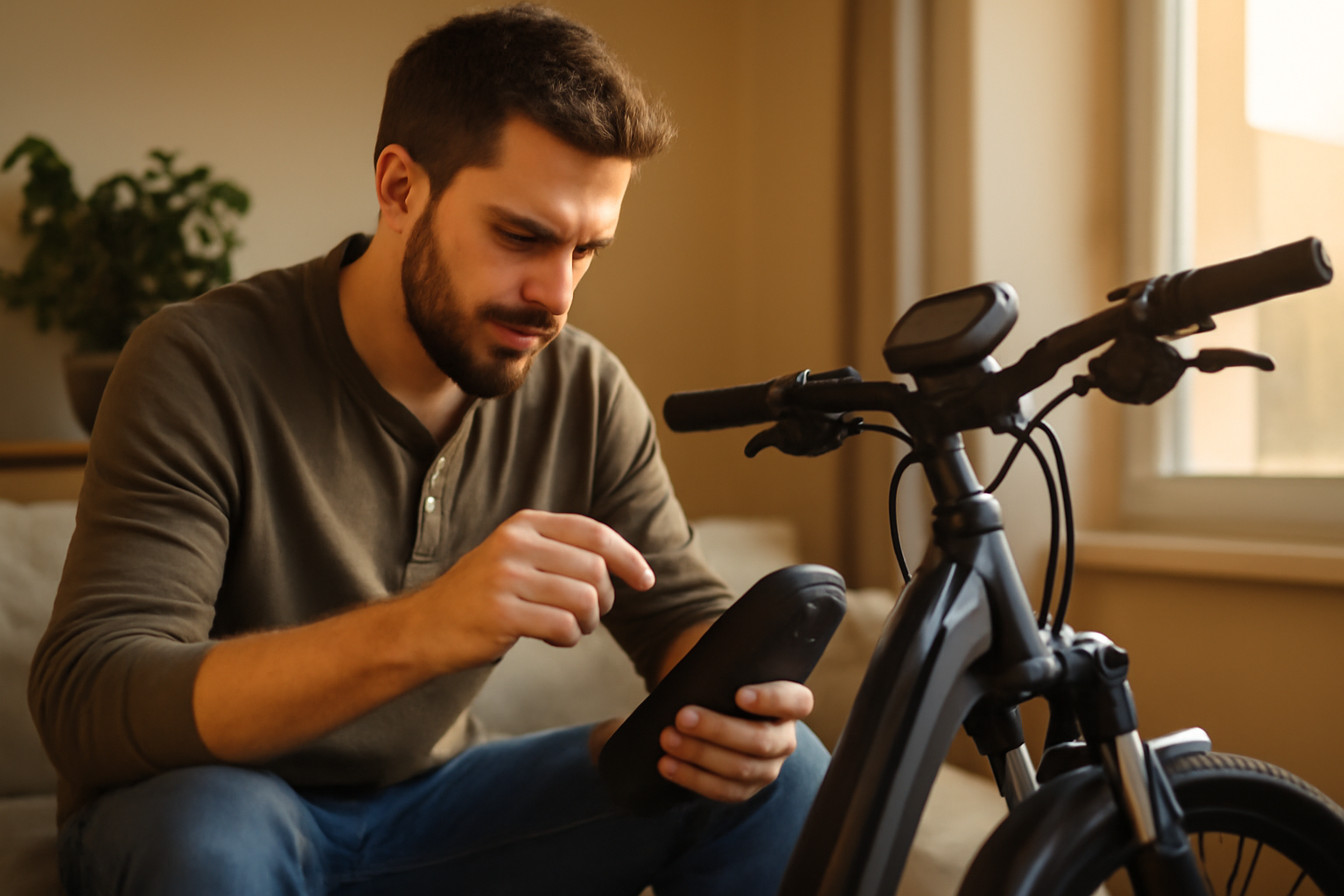
E-bikes offer an exhilarating way to explore the outdoors, combining the joy of cycling with the thrill of electric power. However, like any vehicle, they can encounter some common issues that might put a damper on your adventures. Understanding how to troubleshoot and fix these problems can keep your rides smooth and enjoyable.
In this guide, we'll break down the most frequent E-bike issues, their symptoms, and provide practical solutions. Whether you're an avid cyclist or new to the electric bike experience, you'll find valuable insights to help you get back on the trail.
Table of Contents
Identifying Common E-bike Problems
Before diving into fixes, it's essential to recognize the common problems E-bike riders face. Identifying the symptoms can help you determine the root cause of the issue.
1. Battery Issues
One of the most prevalent problems with E-bikes is battery failure. Symptoms include a lack of power, reduced range, or the battery not charging at all. accessory recommendations.
- Symptoms: Sudden loss of power, warning lights, or a battery that won't hold a charge.
- Root Causes: Dead cells, improper charging, or damaged connectors.
2. Motor Malfunctions
The motor is the heart of your E-bike's power system. If you notice strange noises or a lack of acceleration, it might be time to investigate.
- Symptoms: Grinding noises, loss of assistance, or inconsistent power delivery.
- Root Causes: Loose connections, worn-out gears, or overheating.
3. Flat Tires
Flat tires can happen to anyone, and E-bikes are no exception. It's crucial to address this issue promptly to avoid being stranded.
- Symptoms: Noticeably low tire pressure or bulging in the tire.
- Root Causes: Punctures, leaks, or worn tires.
Quick Diagnosis
To effectively address E-bike issues, start with a quick diagnosis. Here's a streamlined approach:
- Check the battery: Ensure it's charged and connections are secure.
- Look for any corrosion on the battery terminals, which can impede the connection.
- If the battery is removable, take it out and inspect it for any physical damage or swelling.
- Use a multimeter to check the voltage. A fully charged battery should typically read between 36V and 48V, depending on the model.
- Test the motor: Listen for unusual sounds and assess the power output.
- Engage the motor at different assist levels to ensure it responds appropriately.
- If you hear grinding or whining noises, it could indicate a problem with the motor's internal components.
- Check for overheating after a short ride. If the motor is excessively hot, it may need professional servicing.
- Inspect the tires: Look for punctures or uneven wear.
- Check the tire pressure using a pressure gauge. Most E-bike tires require 30-50 PSI; refer to the sidewall for specifics.
- Examine the tread for signs of wear or damage. Uneven wear might indicate misalignment or improper inflation.
- Look for embedded objects like glass or nails that could cause a flat tire. If found, remove them carefully.
By following these steps, you can quickly identify the most common issues affecting your E-bike. This initial assessment will help you determine whether the problem can be solved with a simple fix or if you need to seek professional help. Remember, regular maintenance and checks can prevent many of these issues from becoming significant problems.
Fix It Fast: Practical Solutions
Once you've diagnosed the problem, it's time to implement solutions. Here are some quick fixes for the most common E-bike issues.
1. Battery Fixes
For battery-related issues, start by checking the connections and cleaning any corrosion. If the battery is not holding a charge, it may be time to replace it. When purchasing a new battery, ensure it's compatible with your electric mountain bike for optimal performance. Here are some steps to follow:
- Inspect Connections: Disconnect the battery and visually inspect the terminals for dirt or corrosion. Use a soft brush or cloth to clean them gently.
- Test the Battery: Use a multimeter to check the voltage of the battery. If it's significantly lower than the rated voltage, consider replacing it.
- Storage Tips: If you're not using your E-bike for an extended period, store the battery in a cool, dry place and charge it every few months to maintain its health.
Common mistakes include neglecting to check the battery's age and assuming a battery is dead without testing it first. Always refer to your E-bike's manual for specific battery guidance.
2. Motor Maintenance
If your motor is acting up, check for loose wires and tighten any connections. For grinding noises, inspect the gears for wear and consider lubricating them. If issues persist, consult a professional for a detailed inspection. Here's how to maintain your motor effectively:
- Inspect Wiring: Carefully trace the wiring from the motor to the controller. Look for frays or breaks that could cause intermittent power loss.
- Lubrication: Use a silicone-based lubricant for gears and moving parts. Avoid over-lubricating, as excess can attract dirt and grime.
- Professional Help: If you notice any unusual sounds or performance issues, it's best to seek professional help. They can perform tests that may not be possible at home.
Common mistakes include ignoring strange noises and delaying maintenance, which can lead to more significant issues down the line. Regularly check the motor for dust accumulation, especially after off-road rides.
3. Tire Repairs
For flat tires, identify the puncture location and use a patch kit for a quick repair. If the tire is severely damaged, replacing it with a new one from your outdoor gear collection may be necessary. Regularly check tire pressure to prevent flats in the future. Follow these practical steps for tire maintenance:
- Puncture Repair: Remove the tire from the rim and locate the puncture by inflating it slightly and listening for air escaping. Clean the area around the puncture before applying the patch.
- Replacing Tires: If the tire has multiple punctures or is worn out, replace it. Ensure the new tire matches the size and type recommended for your E-bike.
- Pressure Checks: Use a pressure gauge to check tire pressure before each ride. Inflate to the manufacturer's recommended pressure, usually found on the tire sidewall.
Common mistakes include failing to check for embedded debris in the tire and neglecting to replace worn tires, which can lead to accidents. Consider investing in puncture-resistant tires for added security during your adventures.
Avoiding Future Issues
Preventive maintenance is key to avoiding common E-bike problems. Here are a few tips to keep your bike in top shape:
- Regularly charge your battery and store it properly when not in use.
- Keep the motor clean and lubricated, checking for wear and tear.
- Inspect tires frequently for pressure and damage, replacing them as needed.
Battery Maintenance
Your E-bike's battery is crucial for its performance. To ensure longevity, follow these steps:
- Charge Regularly: Aim to charge your battery after each ride, especially if you've used a significant amount of power. Avoid letting it drain completely as this can shorten its lifespan.
- Storage Conditions: When not in use, store the battery in a cool, dry place. Extreme temperatures can damage the battery. Ideally, keep it at around 50% charge during long-term storage.
- Check Connections: Periodically inspect the battery connections for corrosion or dirt. Clean them gently with a soft cloth to ensure a good connection.
Motor Care
The motor is the heart of your E-bike. Regular care can prevent many issues:
- Cleaning: Use a damp cloth to wipe down the motor casing and remove dirt and debris. Avoid using high-pressure water, as it can seep into the motor and cause damage.
- Lubrication: Apply a suitable lubricant to moving parts, following the manufacturer's recommendations. This will help maintain smooth operation and reduce wear.
- Listen for Sounds: Pay attention to any unusual noises while riding. Grinding or clicking sounds can indicate a problem that needs immediate attention.
Tire Inspection
Maintaining your tires is essential for safety and performance. Here's how to keep them in good shape:
- Pressure Checks: Use a reliable pressure gauge to check tire pressure weekly. Refer to the manufacturer's recommended PSI, which is usually printed on the tire sidewall.
- Visual Inspections: Look for cracks, cuts, or punctures. If you notice any significant damage, replace the tire immediately to avoid blowouts.
- Tread Depth: Ensure that the tread is not worn down. A good tread pattern provides better grip and handling. If the tread is worn smooth, it's time for a replacement.
General Maintenance Tips
In addition to the above, consider these general maintenance practices:
- Regular Tune-Ups: Schedule a professional tune-up at least once a year, or more frequently if you ride often. A technician can spot issues you might miss.
- Keep it Clean: Regularly wash your E-bike with mild soap and water. This helps prevent rust and keeps components functioning smoothly.
- Monitor Performance: Pay attention to how your bike feels while riding. If you notice a decrease in power or responsiveness, investigate the cause sooner rather than later.
By following these preventive maintenance tips, you can significantly reduce the likelihood of encountering common E-bike issues, ensuring a smooth and enjoyable ride every time you hit the trails.
Conclusion
By understanding common E-bike issues and how to address them, you can enhance your outdoor adventures and enjoy the freedom E-bikes provide. Next time you hit the trails, consider carrying essential tools and must-have E-bike accessories to tackle any unforeseen problems. Happy riding!
Essential Tools to Carry
To be prepared for any E-bike issues while out on your adventures, it's crucial to have the right tools on hand. Here's a checklist of essential tools you should consider carrying:
- Multi-tool: A compact multi-tool can help with various adjustments and repairs, including tightening bolts and fixing minor mechanical issues.
- Tire levers: These are essential for removing tires when you need to fix a flat. Make sure they are sturdy and lightweight.
- Portable pump: A small, portable pump or CO2 inflator can quickly get your tires back to proper pressure.
- Patch kit: Always have a patch kit on hand to fix punctured inner tubes. This can save you from being stranded.
- Spare inner tube: Carrying a spare inner tube can be a lifesaver if you have a flat tire that cannot be repaired on the spot.
- Chain tool: A chain tool can help you fix a broken chain, which is a common issue on longer rides.
- First aid kit: Accidents can happen, so having a basic first aid kit is important for any outdoor adventure.
Must-Have E-bike Accessories
In addition to tools, there are several accessories that can enhance your E-bike experience and help prevent issues:
- Bike lock: Protect your investment by carrying a sturdy bike lock to secure your E-bike when you make stops.
- Water bottle holder: Staying hydrated is key during outdoor activities, so make sure your E-bike has a convenient water bottle holder.
- Lights and reflectors: If you plan to ride in low-light conditions, having proper lighting is essential for visibility and safety.
- Fenders: Consider adding fenders to keep mud and water off your clothes and components, especially in wet conditions.
- Phone mount: A phone mount allows you to navigate easily and keep your device accessible for emergencies.
Common Mistakes to Avoid
While preparing for your E-bike adventures, it's important to be aware of common mistakes that can lead to issues:
- Neglecting regular maintenance: Regularly check your E-bike's battery, brakes, and tire pressure to prevent issues from developing.
- Overloading your bike: Be mindful of the weight limit on your E-bike, as overloading can strain the motor and battery.
- Ignoring battery care: Follow manufacturer guidelines for charging and storing your battery to extend its lifespan.
- Not familiarizing yourself with your E-bike: Take the time to understand your E-bike's features and functions, including how to troubleshoot common problems.
- Riding in unsuitable conditions: Avoid riding in extreme weather or on rough terrain that your E-bike isn't designed for, as this can lead to damage.
By being proactive and prepared, you can minimize the chances of encountering problems on your E-bike adventures. Embrace the thrill of the outdoors, knowing you have the tools and knowledge to tackle any situation. Remember, the journey is just as important as the destination, so enjoy every moment on your E-bike!