
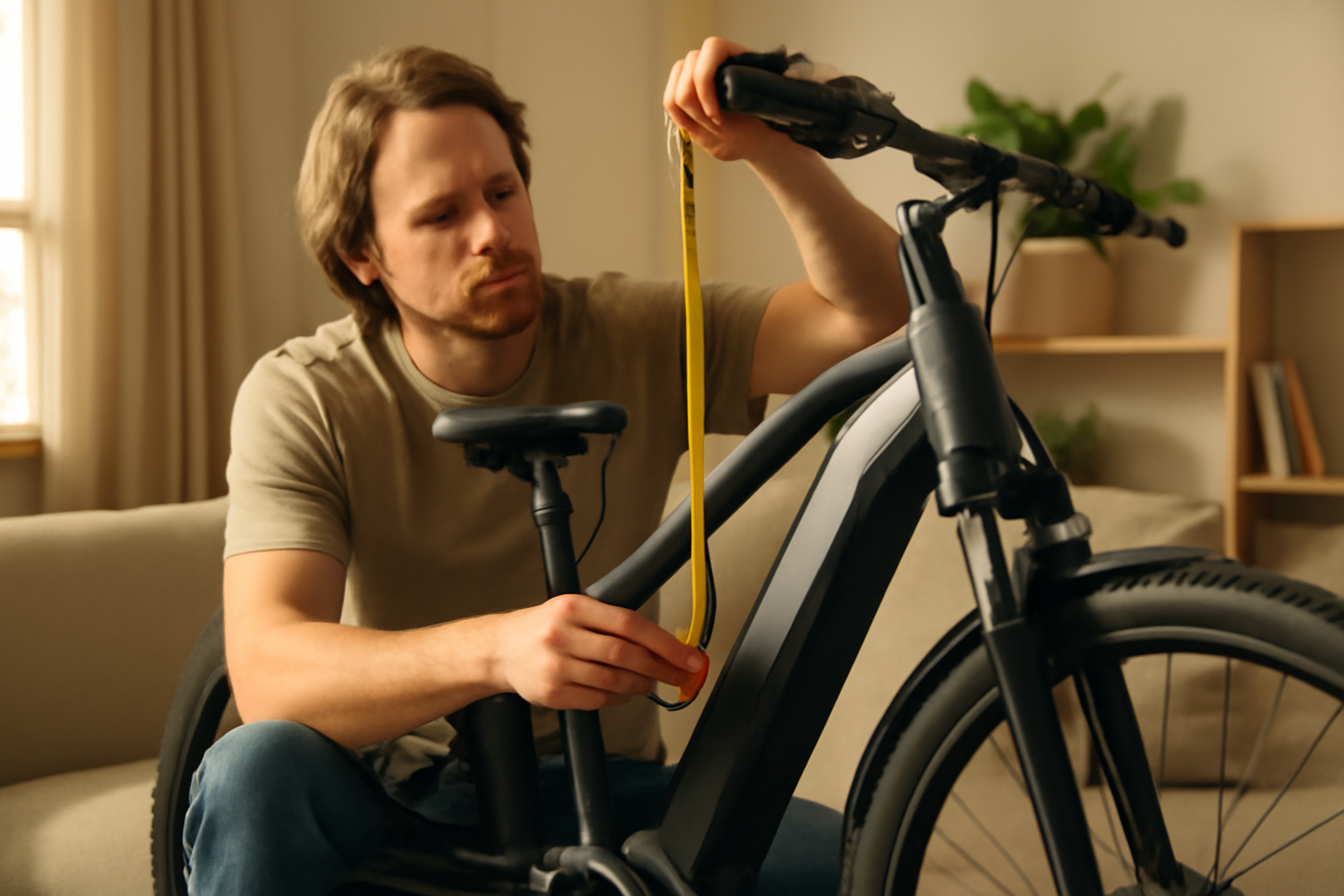
Finding the right size E-bike can significantly enhance your riding experience, whether you're commuting through the city or hitting the trails. As the popularity of E-bikes grows, so does the importance of selecting one that fits your body and riding style. This guide will help you navigate the selection process, ensuring you make an informed choice that suits your needs.
From understanding frame sizes to considering your riding style and preferences, we will cover everything you need to know about how to choose the right E-bike size. With the right fit, you'll not only enjoy your ride more but also ride safer and more efficiently.
Table of Contents
Who This Guide is For
This guide is ideal for anyone interested in purchasing an E-bike, whether you're a beginner exploring your options or a seasoned rider looking to upgrade. If you're considering an E-bike for commuting, recreational riding, or even mountain biking, understanding how to choose the right size is essential for maximizing your enjoyment and performance.
Choosing the right E-bike size is not just about comfort; it directly impacts your riding efficiency, safety, and overall experience. This guide caters to a diverse audience, including: Advantages of lithium-ion.
- First-time buyers: If you're new to the world of E-bikes, this guide will help you understand the key factors to consider, ensuring that you make an informed decision.
- Commuters: For those looking to use an E-bike for daily commuting, finding the right size is crucial for navigating urban environments comfortably and efficiently.
- Recreational riders: If you enjoy leisurely rides or weekend adventures, selecting the appropriate size can enhance your overall enjoyment and reduce fatigue.
- Mountain bikers: Riders who plan to tackle trails and rough terrains will benefit from understanding how size affects handling and stability.
- Parents buying for teens: If you're purchasing an E-bike for a younger rider, knowing how to choose the right size can ensure safety and a better fit as they grow.
Regardless of your experience level or intended use, this guide will provide you with practical steps, tips, and considerations to help you find the perfect E-bike size. Here are some specific aspects we will cover:
Key Considerations for E-bike Sizing
Understanding the following factors will help you make the right choice:
- Frame Size: Different brands have various sizing charts based on the frame geometry. Knowing your height and inseam measurement is essential for selecting the correct frame size.
- Riding Style: Your preferred riding style (commuting, leisure, off-road) will influence the ideal size. For instance, a more aggressive riding position may require a smaller frame.
- Adjustability: Some E-bikes come with adjustable components like seat height and handlebar position, which can offer flexibility in sizing.
Steps to Determine Your Ideal E-bike Size
Follow these steps to find the right E-bike size for you:
- Measure Your Height: Stand straight against a wall and measure from the floor to the top of your head. This will give you a baseline for frame size.
- Measure Your Inseam: While standing barefoot, measure from your crotch to the ground. This measurement is crucial for determining the standover height of the bike.
- Consult Size Charts: Check the manufacturer's size chart based on your height and inseam measurements. This chart will guide you to the appropriate frame size.
- Test Ride: If possible, visit a local shop to test ride different sizes. Pay attention to how the bike feels when you sit on it and how easily you can reach the handlebars.
- Consider Adjustment Options: Look for E-bikes with adjustable features that can accommodate your personal preferences and riding style.
Common Mistakes to Avoid
When selecting an E-bike size, be mindful of these common pitfalls:
- Ignoring Manufacturer Recommendations: Each brand may have different sizing standards. Always refer to the specific manufacturer's guidelines.
- Choosing Based on Aesthetics: Don't select a bike solely based on its appearance. Fit and comfort should be your top priorities.
- Overlooking Adjustability: Some riders assume that once they've picked a size, they can't make adjustments. Many bikes offer features to enhance fit, so explore these options.
By understanding the audience this guide serves and the importance of selecting the right E-bike size, you are well on your way to making a confident purchase that will enhance your outdoor adventures.
What to Look For When Choosing E-bike Size
When it comes to selecting the right E-bike size, several factors come into play. Here are the key elements to consider:
1. Frame Size
The frame size is one of the most critical aspects of choosing the right E-bike. Most manufacturers provide specific sizing charts based on rider height. A good rule of thumb is to stand over the bike; you should have 1-2 inches of clearance for a road bike and 2-4 inches for a mountain bike.
2. Standover Height
Standover height is the distance between the ground and the top tube of the bike frame. It's essential to have enough space to stand comfortably over the bike without feeling cramped. This is especially important for riders who may need to stop suddenly or navigate uneven terrain.
3. Reach
Reach refers to the horizontal distance from the saddle to the handlebars. A comfortable reach allows for a relaxed riding posture. If the reach is too long or too short, it can lead to discomfort and strain during longer rides.
4. Saddle Height
Adjustable saddle height is crucial for ensuring proper leg extension while pedaling. When seated, your leg should have a slight bend at the knee when the pedal is at its lowest point. This helps to maximize power and efficiency while minimizing the risk of injury.
5. Riding Style
Your preferred riding style also influences what size E-bike is right for you. For instance, those who plan to ride primarily on smooth city streets may require a different fit than those looking to tackle rugged mountain trails. Consider how you intend to use your E-bike when evaluating size options.
6. Weight Capacity
Every E-bike has a specified weight limit, including the rider and any additional gear. Ensure that the bike you choose can comfortably support your weight, along with any accessories or supplies you might carry, such as fishing accessories or hiking essentials.
Common Pitfalls to Avoid
When choosing your E-bike size, be aware of these common pitfalls:
- Ignoring Manufacturer Sizing Charts: Each brand may have different sizing standards. Always refer to the manufacturer's sizing chart to find the best fit for you.
- Rushing the Process: Take your time to test ride different sizes and styles. This can help you gain a better understanding of what feels comfortable.
- Overlooking Adjustability: Many E-bikes come with adjustable features. Ensure you consider bikes that allow for seat height and handlebar adjustments to fine-tune your fit.
Decision Checklist for Selecting E-bike Size
To help streamline your decision-making process, here's a handy checklist:
- Check your height against the manufacturer's sizing chart.
Most manufacturers provide a sizing chart that correlates your height with the appropriate frame size. Make sure to measure your height without shoes for accuracy. If you fall between sizes, consider your riding style and preferences.
- Test the standover height by standing over the frame.
When you straddle the bike, there should be 1-2 inches of clearance for a mountain bike and 2-4 inches for a road bike. This ensures you can safely dismount and provides a comfortable riding experience.
- Evaluate reach by sitting on the bike and checking your arm and leg positioning.
While seated, your elbows should be slightly bent when holding the handlebars. Your legs should have a slight bend at the bottom of the pedal stroke. If you feel stretched out or cramped, you may need a different size.
- Adjust the saddle to ensure proper height for comfortable pedaling.
The saddle height should allow your leg to be almost fully extended at the bottom of the pedal stroke, with a slight bend in the knee. A good rule of thumb is to adjust the saddle so that your hip is level when you're seated, and your foot is at the 6 o'clock position on the pedal.
- Consider your riding style and how it affects your size choice.
Different riding styles may require variations in size. For example, if you plan to use your E-bike for commuting, a more upright position may be comfortable, suggesting a larger frame. If you're into aggressive mountain biking, a smaller frame may provide better maneuverability.
- Confirm the weight capacity to ensure it meets your needs.
Every E-bike has a specified weight limit, which includes the rider and any additional gear. Exceeding this limit can affect performance and safety. Always check the manufacturer's specifications to ensure the bike can handle your weight comfortably.
Common Mistakes to Avoid
- Relying solely on height without considering inseam length.
Inseam length can significantly affect your fit. Measure your inseam and compare it with the bike's frame size recommendations.
- Ignoring the importance of test rides.
Whenever possible, take the E-bike for a test ride. This is the best way to assess comfort and fit. Pay attention to how the bike feels as you ride, especially during turns and stops.
- Overlooking personal preferences for bike style.
Your comfort and riding style are personal. Don't choose a bike just because it's popular; make sure it aligns with your preferences and intended use.
Final Thoughts
Choosing the right E-bike size is essential for maximizing comfort and performance. By following this checklist and considering key factors such as standover height, reach, and riding style, you can ensure that your E-bike fits you perfectly. Remember, taking the time to find the right size can greatly enhance your overall riding experience.
Quick Picks by Scenario
Here are some quick suggestions based on different scenarios to help you make your choice:
- Beginner: Opt for a model with a lower frame and adjustable components for ease of use.
- Intermediate: Choose a bike that offers a balance between comfort and performance, with features that allow for some customization.
- Budget vs Premium: Focus on reliable brands with good sizing options, balancing price and quality without compromising on fit.
- Time-limited: If you're short on time, visit a local shop to test ride a few options based on your height and reach.
- Flexible: If you have flexibility in your time, take a few days to try different models and get a feel for what suits you best.
Conclusion
Choosing the right E-bike size is crucial for an enjoyable riding experience. By considering frame size, standover height, reach, saddle height, riding style, and weight capacity, you can confidently select a bike that suits your needs. Remember to test ride different options and refer to sizing charts for the best fit. Now that you're equipped with the knowledge, it's time to head out and find your perfect E-bike!
Final Tips for Selecting Your E-bike Size
As you embark on your journey to find the right E-bike, keep these final tips in mind:
- Take Your Time: Don't rush the process. Spend time researching and trying out different models to find the one that feels right.
- Consult Experts: If you're unsure about sizing, don't hesitate to ask for assistance from knowledgeable staff at your local bike shop.
- Consider Accessories: Remember that accessories like a saddle bag or a child seat can affect the overall balance and fit of your E-bike.
Common Mistakes to Avoid
When choosing the right size, it's important to avoid these common pitfalls:
- Ignoring Standover Height: Failing to check standover height can lead to discomfort. Ensure there's at least 1-2 inches of clearance when you straddle the bike.
- Overlooking Riding Style: Your preferred riding style should influence your size choice. For example, if you plan on using your E-bike for commuting, a more upright position may be necessary.
- Neglecting Weight Capacity: Ensure that the bike you choose can accommodate your weight along with any additional gear you plan to carry.
Next Steps After Selecting Your E-bike
Once you've chosen the right E-bike size, consider the following steps to enhance your riding experience:
- Personalize Your Fit: Adjust the saddle height and handlebar position to ensure maximum comfort and efficiency while riding.
- Invest in Quality Gear: Equip yourself with quality safety gear, such as a helmet and reflective clothing, to ensure a safe ride.
- Plan Your Routes: Familiarize yourself with local bike paths and trails to take full advantage of your new E-bike.
With this comprehensive understanding of how to choose the right E-bike size, you're well-prepared to make an informed decision. Your adventure awaits, so get ready to explore the great outdoors with your perfect E-bike!