
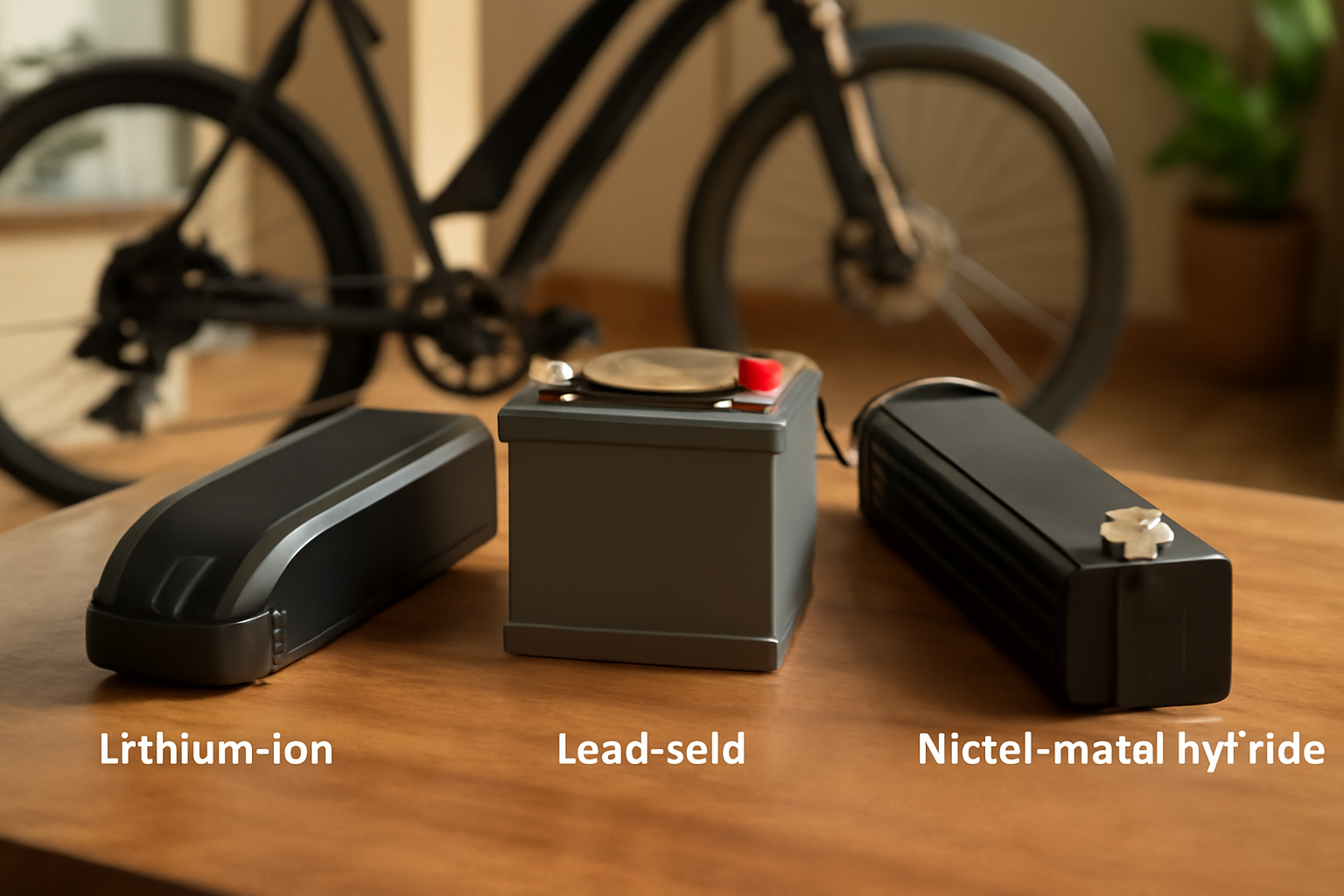
Choosing the right battery for your E-bike is crucial for optimizing your riding experience. With various options on the market, each battery type brings its own set of advantages and disadvantages. This comparison will help you understand the key differences between lithium-ion, lead-acid, and nickel-metal hydride batteries, allowing you to make an informed decision based on your specific needs.
Whether you're seeking an electric mountain bike for rugged trails or an E-bike for commuting, knowing the nuances of battery types can enhance your outdoor adventures. Let's dive into each battery type and discover which one might be the best fit for you.
Table of Contents
Lithium-ion Batteries
Lithium-ion batteries are the most popular choice for modern E-bikes, and for good reason. They offer a high energy density, meaning they can store more energy in a smaller, lighter package. This makes them ideal for those looking to maximize their range without adding extra weight to their bike.
Advantages
- Lightweight and compact
- Longer lifespan (typically 2-3 years)
- Fast charging capabilities
- Higher energy efficiency
Disadvantages
- Higher initial cost
- Requires careful handling to prevent damage
Lead-acid Batteries
Lead-acid batteries have been around for quite some time and are known for their affordability. While they are generally heavier and bulkier than lithium-ion batteries, they can still be a viable option for those on a budget or for E-bikes used primarily for short, casual rides. Understanding the characteristics of lead-acid batteries can help you determine if they are the right choice for your E-bike needs. common E-bike problems.
These batteries are often favored in specific scenarios, such as when you need a reliable power source without breaking the bank. However, it's important to recognize both their strengths and weaknesses before making a decision.
Advantages
- Lower cost: Lead-acid batteries are typically less expensive than their lithium-ion counterparts, making them an attractive option for budget-conscious consumers. Prices can range from $100 to $300 depending on the capacity and brand.
- Widely available and easy to replace: These batteries are commonly found in many retail stores and online, ensuring that replacements are easy to source. Most bike shops also carry lead-acid batteries, making it convenient for maintenance.
Disadvantages
- Heavy and less efficient: Lead-acid batteries can weigh significantly more than lithium-ion batteries, often adding 20-30 pounds to your E-bike. This added weight can impact your bike's overall performance and handling, especially on longer rides.
- Shorter lifespan (around 1-2 years): The average lifespan of a lead-acid battery is considerably shorter than lithium-ion options, which can last 3-5 years or more. This means you may need to invest in replacements more frequently, negating some of the initial cost savings.
- Longer charging times: Charging a lead-acid battery can take anywhere from 8 to 12 hours, which is significantly longer than lithium-ion batteries that often charge in 4-6 hours. This can be inconvenient if you need to use your E-bike frequently.
Use Cases
Lead-acid batteries can be ideal for specific use cases. Here are some scenarios where they might be the best choice:
- Casual Rides: If you primarily use your E-bike for short, leisurely rides around the neighborhood or for commuting short distances, lead-acid batteries can provide sufficient power without the need for high performance.
- Budget-Friendly Options: For those who are new to E-biking or who don't want to invest heavily upfront, lead-acid batteries offer a cost-effective solution while you explore your biking preferences.
- Occasional Use: If your E-bike is not used daily and is more of a weekend hobby, the lower cost of lead-acid batteries may make them a sensible option, despite their shorter lifespan.
Maintenance Tips
To get the most out of your lead-acid battery, proper maintenance is crucial. Here are some practical tips to extend its life:
- Regular Charging: Avoid letting the battery discharge completely. Charge it regularly, even if you haven't used the bike in a while, to prevent sulfation, which can damage the battery.
- Store Properly: If you're storing your E-bike for an extended period, keep the battery in a cool, dry place. Ideally, store it at around 50% charge to maintain health.
- Check Water Levels: If you have a flooded lead-acid battery, check the water levels regularly and top them off with distilled water as needed. This helps maintain performance and longevity.
Common Mistakes
Here are some common mistakes to avoid when using lead-acid batteries in E-bikes:
- Neglecting Maintenance: Failing to perform regular checks and maintenance can lead to premature battery failure. Make it a habit to inspect your battery regularly.
- Overcharging: While it's important to keep the battery charged, overcharging can lead to overheating and damage. Use a charger with an automatic shut-off feature to prevent this.
- Ignoring Weight Considerations: Many riders overlook the impact of battery weight on the bike's performance. Be mindful of how the added weight affects your riding experience and consider your riding style.
In conclusion, while lead-acid batteries may not offer the same performance as lithium-ion options, they can still be a practical choice for specific riders and use cases. By understanding their advantages, disadvantages, and maintenance needs, you can make an informed decision about whether a lead-acid battery is right for your E-bike adventures.
Nickel-metal Hydride Batteries
Nickel-metal hydride (NiMH) batteries are another option, offering a middle ground between lithium-ion and lead-acid batteries. They provide decent energy density and are less prone to overheating than lithium-ion batteries, making them a safe choice for E-bike users. Understanding the characteristics of NiMH batteries can help you make a more informed decision when selecting a battery type for your E-bike.
Advantages
- More environmentally friendly than lead-acid
- Good energy density
- Less susceptible to thermal runaway
Performance Characteristics
NiMH batteries typically have a voltage of 1.2V per cell, which means that a series of cells can be configured to meet the voltage requirements of your E-bike. For example, a 36V battery pack would typically consist of 30 cells connected in series. This configuration allows for efficient energy transfer and a reliable power source for your E-bike.
Disadvantages
- Higher self-discharge rate
- Shorter lifespan than lithium-ion (about 2-3 years)
- Can be heavier than lithium-ion
Maintenance Tips
To maximize the lifespan and performance of your NiMH battery, consider the following maintenance tips:
- Regular Charging: Charge your battery regularly, even if you haven't used your E-bike for a while. NiMH batteries can lose their charge more quickly than lithium-ion batteries.
- Avoid Deep Discharge: Try not to let the battery discharge completely before recharging. This can help prolong its lifespan.
- Store Properly: If you need to store your E-bike for an extended period, keep the battery in a cool, dry place and at a partial charge (around 40-60%).
Common Mistakes to Avoid
When using NiMH batteries, there are several common mistakes that users should avoid to ensure optimal performance:
- Ignoring Temperature: NiMH batteries can be sensitive to extreme temperatures. Avoid charging or using your E-bike in very hot or cold conditions.
- Using Incompatible Chargers: Always use a charger designed for NiMH batteries. Using the wrong charger can lead to damage or reduce the battery's efficiency.
- Neglecting Regular Checks: Regularly inspect your battery for any signs of wear or damage. Early detection can prevent larger issues down the line.
Conclusion
Nickel-metal hydride batteries serve as a viable option for E-bike users looking for a balance between safety, environmental impact, and performance. While they may not match the longevity and weight advantages of lithium-ion batteries, their safety features and decent energy density make them a suitable choice for many riders. By following proper maintenance practices and avoiding common pitfalls, you can ensure that your NiMH battery performs well throughout its lifespan.
Comparison Table
| Battery Type | Weight | Lifespan | Charging Time | Cost |
|---|---|---|---|---|
| Lithium-ion | Light | 2-3 years | Fast | High |
| Lead-acid | Heavy | 1-2 years | Long | Low |
| Nickel-metal Hydride | Medium | 2-3 years | Medium | Medium |
Understanding the Comparison
When comparing E-bike battery types, it's essential to consider how each attribute affects your riding experience. Here's a deeper look at each category from the table above:
Battery Type
The type of battery you choose will significantly influence your E-bike's performance. Lithium-ion batteries are the most popular choice among E-bike manufacturers due to their lightweight and efficient energy storage capabilities. Lead-acid batteries, while less expensive, are bulkier and have a shorter lifespan. Nickel-metal hydride batteries offer a middle ground but are less common in modern E-bikes.
Weight
Weight is a critical factor in E-bike design. A lighter battery allows for better handling and performance, especially on longer rides. For instance, a typical lithium-ion battery weighs about 5-7 kg, while lead-acid batteries can weigh 10-15 kg. If you're planning long rides or need to carry your bike up stairs, opting for a lighter battery can make a significant difference.
Lifespan
The lifespan of a battery is determined by its charge cycles. Lithium-ion batteries can typically handle 500 to 1000 charge cycles before their capacity diminishes significantly. In contrast, lead-acid batteries may only last for 300-500 cycles. This means that while lithium-ion batteries are more expensive upfront, they often provide better value in the long run due to their longevity.
Charging Time
Charging time can impact your riding schedule. Lithium-ion batteries charge quickly, often reaching 80% capacity in 2-4 hours. Lead-acid batteries can take up to 8-12 hours to fully charge, which may require planning your rides around charging times. If you frequently use your E-bike for commuting or day trips, a fast-charging battery could be a game changer.
Cost
Cost is a significant factor for many buyers. While lead-acid batteries are the most affordable option initially, they often require more frequent replacements and have lower performance. On the other hand, lithium-ion batteries, though higher in price, offer better efficiency and longer life, potentially saving you money over time. Consider your budget and how often you anticipate needing to replace your battery when making your decision.
Common Mistakes to Avoid
- Choosing solely based on cost: While it's tempting to go for the cheapest option, consider the long-term costs associated with battery lifespan and performance.
- Ignoring weight: Heavier batteries can negatively impact your riding experience, especially if you're planning to ride uphill or carry your bike.
- Not considering charging time: If you need to charge your bike frequently, a longer charging time could be inconvenient.
Checklist for Choosing the Right Battery
- Assess your riding habits: How far do you typically ride? Do you need a lightweight option?
- Evaluate your budget: Are you willing to invest more upfront for a longer-lasting battery?
- Consider maintenance: Some battery types require more care than others - factor this into your choice.
- Check compatibility: Ensure the battery you choose is compatible with your E-bike model.
By understanding these factors and making informed choices, you can select the best battery type for your E-bike, enhancing your overall riding experience and ensuring you get the most out of your adventures.
Which Option Fits You?
When selecting the right battery type for your E-bike, consider your specific needs and riding habits. Here's a quick guide to help you decide:
- Lithium-ion: Best for those who prioritize performance, range, and weight. Ideal for commuters and adventure seekers who want to maximize their electric bike experience.
- Lead-acid: Suitable for casual riders or those on a tight budget. If you're using your E-bike for short distances and don't mind the extra weight, this could be a practical choice.
- Nickel-metal Hydride: A good option for environmentally-conscious riders. If you're looking for a balance between performance and cost, NiMH could be a solid fit.
Conclusion
Choosing the right E-bike battery type depends on your riding style, budget, and personal preferences. Lithium-ion batteries are excellent for serious riders looking for performance and efficiency, while lead-acid batteries offer an economical choice for lighter use. Nickel-metal hydride batteries provide a good compromise for those who seek a balance of features. Take the time to evaluate your needs, and explore your outdoor gear collection at Timberline Provisions for the best E-bike and battery options to complement your adventures.