
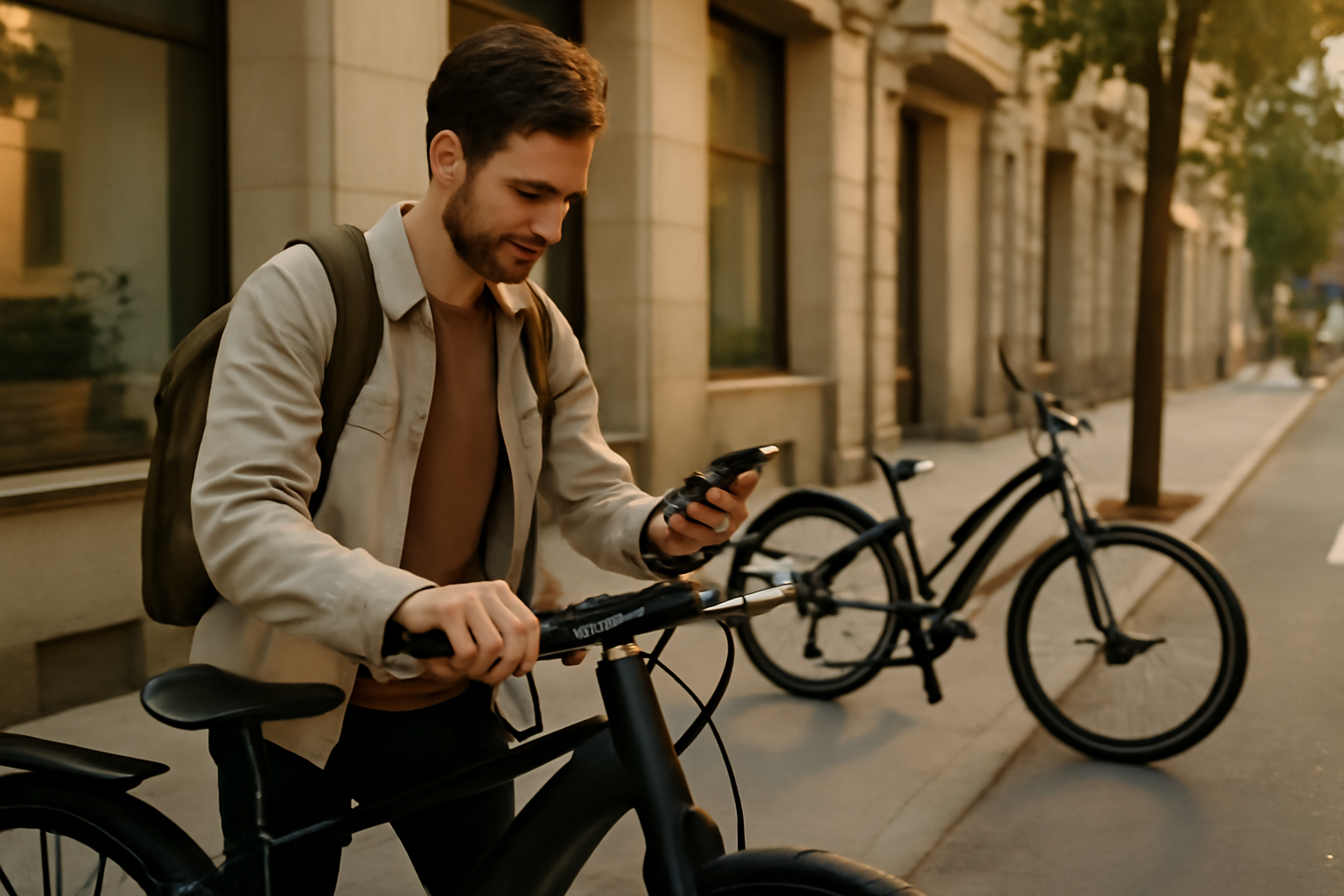
Commuting in the city can often be a challenge, with traffic jams, crowded public transport, and limited parking options. However, using an E-bike for commuting provides a fun, efficient, and eco-friendly alternative that can transform your daily routine. In this guide, we'll explore how to select the perfect E-bike suited to your urban lifestyle.
Whether you're navigating busy streets or enjoying scenic routes, an E-bike can enhance your travel experience. Let's dive into the essential factors to consider when choosing an E-bike specifically for city commuting.
Table of Contents
If This Is You...
If you're an urban dweller looking for a sustainable transportation option that allows you to bypass traffic and reduce your carbon footprint, then an E-bike is an excellent choice. You might be tired of the constraints of traditional cycling or the inefficiencies of car travel. Here's how to find the best E-bike for your commuting needs.
Assess Your Daily Commute
Understanding your daily commute is crucial in selecting the right E-bike. Consider the following factors: Benefits of e-bikes.
- Distance: Measure the distance you travel daily. Most E-bikes can comfortably handle 20-40 miles on a single charge, which is perfect for most urban commutes.
- Terrain: Evaluate the terrain of your route. Do you face steep hills or flat roads? If you have to tackle inclines, look for bikes with higher torque motors.
- Weather Conditions: Consider your local climate. If you frequently ride in rain or snow, opt for an E-bike with good weather resistance and durable tires.
Determine Your Riding Style
Your riding style will influence the type of E-bike that suits you best. Here are some common styles:
- Casual Riding: If you prefer a relaxed ride, consider a cruiser E-bike. These models offer comfortable seating and a laid-back posture.
- Sporty Riding: For those who enjoy a more active ride, hybrid or mountain E-bikes provide a sportier feel and better handling on varying terrains.
- Commuter Focused: Look for commuter E-bikes that come with built-in racks, fenders, and lights, making them practical for everyday use.
Set a Budget
E-bikes can vary greatly in price, so it's essential to set a budget before you start shopping. Here's a breakdown of what you can expect:
- Entry-Level E-bikes: These typically range from $800 to $1,500. They are suitable for casual riders and short commutes.
- Mid-Range E-bikes: Priced between $1,500 and $3,000, these bikes often feature better components, longer battery life, and enhanced durability.
- High-End E-bikes: Expect to pay $3,000 and above for premium features, advanced technology, and superior performance.
Test Ride Multiple Models
Before making a purchase, it's vital to test ride several E-bikes. This allows you to get a feel for each model and determine which one suits you best. Here are some tips for your test rides:
- Comfort: Pay attention to the seating position, handlebar height, and overall comfort during your ride.
- Power Delivery: Test how the motor responds at different speeds and inclines. A smooth power delivery enhances the riding experience.
- Braking System: Ensure the brakes are responsive and suited to your riding style, especially if you'll be navigating city traffic.
Consider Additional Features
When selecting an E-bike, additional features can enhance your commuting experience. Look for:
- Battery Range: Ensure the E-bike has a sufficient battery range to cover your daily commute without needing frequent charges.
- Weight: A lighter E-bike is easier to maneuver and transport, especially if you need to carry it up stairs or onto public transport.
- Storage Options: Built-in racks or the ability to attach panniers can make it easier to carry your belongings.
Common Mistakes to Avoid
As you navigate the process of selecting your E-bike, be aware of common pitfalls:
- Ignoring Local Regulations: Check your city's regulations regarding E-bike usage, including speed limits and where you can ride.
- Neglecting Maintenance: Like any vehicle, E-bikes require regular maintenance. Familiarize yourself with basic upkeep tasks.
- Overlooking Insurance: Consider insuring your E-bike to protect against theft or accidents, especially if you'll be leaving it parked in public spaces.
By taking the time to assess your needs and thoroughly researching your options, you can find the perfect E-bike that enhances your urban commuting experience while supporting a greener lifestyle.
Key Factors to Consider
1. Type of E-bike
When selecting an E-bike for city commuting, consider the type that best suits your needs:
- Commuter E-bikes: Designed specifically for urban travel, these bikes often come with racks for carrying bags and fenders to keep you clean in wet conditions.
- Folding E-bikes: Perfect for those with limited storage space, folding E-bikes are compact and can easily be stored under your desk or in public transport.
- Electric Mountain Bikes: If your commute includes off-road trails or rough terrain, an electric mountain bike offers versatility with added power to tackle challenging routes.
2. Motor Power and Battery Life
The motor's power and battery life are crucial for an enjoyable electric bike experience. Most city E-bikes have motors ranging from 250W to 750W. A more powerful motor provides better assistance, especially on inclines. Battery life should allow for at least one full day of commuting. Look for E-bikes with removable batteries for easy charging.
3. Comfort and Fit
Comfort is key for daily commuting. Make sure the E-bike has an adjustable seat height and ergonomic handlebars. Test different models to find a bike that feels right for your body type. A comfortable ride will encourage you to use your E-bike more often.
4. Safety Features
Safety cannot be overlooked when commuting in the city. Look for E-bikes equipped with:
- Bright LED lights: Essential for visibility during early morning or late evening rides.
- Reflective materials: Enhances your visibility to other road users.
- Disc brakes: Provides reliable stopping power in various weather conditions.
Step-by-Step Plan for Choosing Your E-bike
1. Assess Your Commuting Needs
Consider how far you'll be commuting daily, the terrain you'll encounter, and how much storage you may need for your belongings. Also, think about how often you'll be using the bike and if you'll need to transport it on public transport.
2. Research Brands and Models
Explore different brands that specialize in E-bikes. Timberline Provisions offers a variety of options tailored for outdoor enthusiasts, including commuter E-bikes and electric mountain bikes. Read reviews and comparative analysis of bikes to understand how they perform in urban settings.
3. Test Ride Multiple Options
Once you have a shortlist, visit local dealers or shops to test ride the E-bikes. Pay attention to how each bike feels in terms of comfort, handling, and ease of use. This firsthand experience will help narrow down your choices.
4. Consider Accessories
Think about any additional equipment you might need to enhance your commuting experience. Consider investing in:
- Helmets for safety.
- Locks to secure your E-bike when parked.
- Carrier bags for transporting items.
- Other cycling accessories that can make your commute more enjoyable.
5. Make Your Decision
After considering all the factors and test rides, it's time to make your decision. Choose an E-bike that not only meets your commuting needs but also resonates with your personal style and preferences.
Maintaining Your E-bike for City Commuting
Once you've chosen your E-bike, regular maintenance is essential to ensure its longevity and performance. Here are some tips:
- Regularly check tire pressure: Properly inflated tires improve efficiency and safety. Aim to check your tire pressure at least once a week, and before longer rides. Use a reliable tire pressure gauge to ensure you're within the recommended PSI range specified by the manufacturer. Remember that temperature changes can affect pressure, so adjust accordingly.
- Keep the chain clean and lubricated: This will enhance the bike's performance and prevent wear. Clean the chain every few weeks, especially if you ride in wet or dirty conditions. Use a degreaser to remove grime, then apply a suitable bike chain lubricant. Wipe off any excess lubricant to avoid attracting dirt.
- Charge the battery regularly: Follow manufacturer guidelines to maintain battery health. It's advisable to charge your battery after every ride, especially if you frequently use pedal assist. Avoid letting the battery drain completely, as this can reduce its lifespan. Store the battery in a cool, dry place and consider using a smart charger that automatically stops charging when full.
- Inspect brakes and lights: Ensure they are functioning properly for safety during your rides. Check brake pads for wear and replace them if they look thin. Test the brakes before each ride to ensure they engage smoothly. For lights, check the batteries and replace them as needed, and clean the lenses to maximize visibility.
Additional Maintenance Tips
- Check the frame and components: Regularly inspect the frame for any signs of damage or wear. Look for cracks, especially around welds and joints. Tighten any loose bolts or screws to ensure everything is secure.
- Keep the E-bike clean: Regularly wash your E-bike to remove dirt and grime. Use mild soap and water, avoiding high-pressure washers that can damage electrical components. Pay special attention to the areas around the battery and motor.
- Monitor electrical connections: Inspect wiring and connectors for signs of wear or corrosion. Ensure that all connections are tight and free from dirt. If you notice any issues, consult a professional for repairs.
- Schedule professional tune-ups: Depending on how often you ride, consider taking your E-bike to a professional for a tune-up every 6-12 months. Professionals can provide a thorough check-up, including adjustments to gears, brakes, and electrical systems.
Common Mistakes to Avoid
- Neglecting regular checks: Many riders overlook the importance of regular maintenance checks. Make it a habit to inspect your E-bike before each ride.
- Using the wrong cleaning products: Avoid using harsh chemicals that can damage the bike's finish or components. Stick to products designed specifically for bicycles.
- Ignoring unusual sounds: If you hear strange noises while riding, don't ignore them. They could indicate a problem that needs immediate attention.
- Overloading your E-bike: Be mindful of the weight limit specified by the manufacturer. Overloading can strain the motor and battery, leading to faster wear and tear.
By following these maintenance tips and avoiding common pitfalls, you can ensure that your E-bike remains in top condition, providing a reliable and enjoyable commuting experience in the city.
Conclusion
Choosing the right E-bike for commuting in the city can significantly improve your daily travel experience. By assessing your needs, exploring options, and prioritizing comfort and safety, you're well on your way to making an informed decision. Consider visiting Timberline Provisions for a look at their outdoor gear collection that includes various E-bikes and accessories to complement your urban adventures. Remember, the right E-bike will make your commute not just easier, but also more enjoyable!
Final Considerations
As you finalize your decision on an E-bike, keep in mind a few additional factors that can enhance your commuting experience:
- Test Ride: Always take the E-bike for a test ride. This will give you a feel for the bike's handling, comfort, and performance. Pay attention to how it feels on different terrains and during stops.
- Battery Life: Consider your daily commute distance and ensure the E-bike's battery can handle it. Look for models with a range that comfortably exceeds your needs to avoid running out of power mid-ride.
- Weight and Portability: If you need to carry your E-bike up stairs or onto public transport, consider its weight and whether it has features like a folding frame.
- Maintenance Needs: Research the maintenance requirements of the E-bike. Some models may require more frequent servicing, while others are designed for low upkeep.
Common Mistakes to Avoid
To help you navigate the selection process, here are some common pitfalls to avoid:
- Overlooking Local Regulations: Different cities have varying regulations regarding E-bikes. Check the local laws concerning speed limits, where you can ride, and whether you need a license or registration.
- Ignoring the Importance of Gear: Don't forget to invest in essential safety gear. A good helmet, lights, and reflective clothing can significantly enhance your safety while commuting.
- Focusing Solely on Price: While budget is important, don't compromise on quality. A slightly higher investment in a reliable E-bike can save you money in repairs and replacements down the line.
- Neglecting Storage Solutions: Consider how and where you will store your E-bike. Look for models that come with integrated locks or invest in a good lock to prevent theft.
Next Steps
Once you've made your choice, here are some next steps to ensure a smooth transition to E-bike commuting:
- Plan Your Route: Familiarize yourself with the safest and most efficient routes for your commute. Use apps designed for cyclists to find bike lanes and avoid heavy traffic.
- Join a Community: Connect with local E-bike or cycling groups. This can provide you with valuable insights on routes, maintenance tips, and social rides.
- Stay Informed: Keep up with the latest in E-bike technology and accessories. Innovations can enhance your experience and safety.
- Monitor Your Performance: Use a fitness tracker or E-bike app to monitor your rides. This can help you gauge your fitness progress and optimize your commuting routine.
In conclusion, the right E-bike can transform your daily commute into an enjoyable adventure. By considering your specific needs, avoiding common mistakes, and taking proactive steps, you'll be well-equipped to enjoy the benefits of E-bike commuting. Happy riding!