
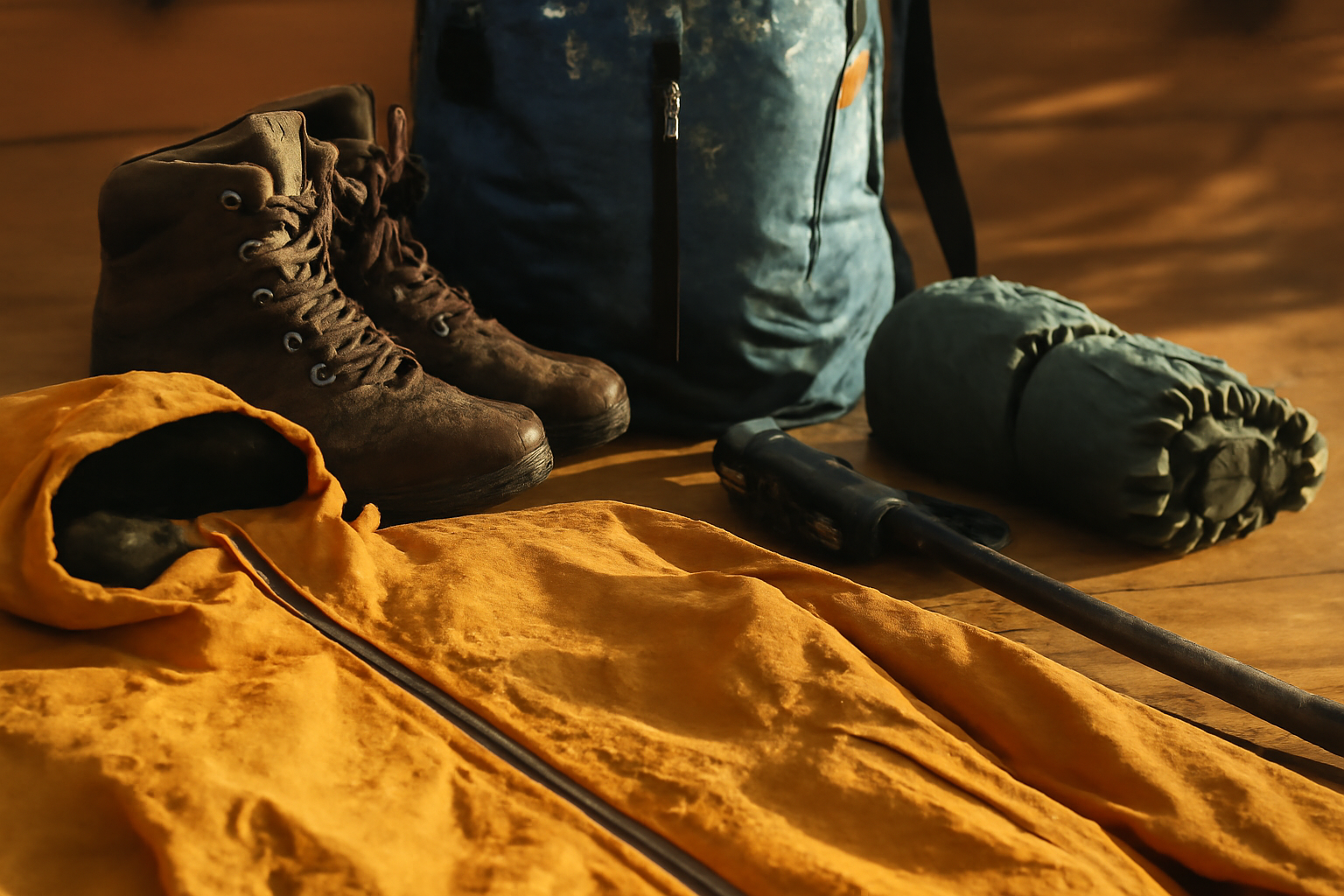
When it comes to hiking, understanding the features of your gear is essential for an enjoyable experience. One of the most important aspects to consider is whether your gear is waterproof. This FAQ will answer common questions regarding what waterproof means in the context of hiking gear, helping you make informed decisions for your adventures.
From jackets to boots, knowing how waterproof materials perform can enhance your outdoor experience, ensuring you stay dry and comfortable no matter the weather. Let's dive into the frequently asked questions to clarify this vital aspect of hiking gear.
Table of Contents
- 1. What does waterproof mean in hiking gear?
- 2. How is waterproofing tested?
- 3. What is the difference between waterproof and water-resistant?
- 4. Are all waterproof materials breathable?
- 5. How do I care for waterproof hiking gear?
- 6. What are some common waterproof materials used in hiking gear?
- 7. Can I make non-waterproof gear waterproof?
- 8. How does waterproof gear perform in heavy rain?
- 9. What should I look for when buying waterproof hiking boots?
- 10. Is waterproof gear worth the investment?
- 11. Can I use waterproof gear for other activities besides hiking?
- 12. How can I tell if my gear is still waterproof?
1. What does waterproof mean in hiking gear?
Waterproof means that a material or garment is designed to prevent water from penetrating through it. In the context of hiking gear, this typically refers to jackets, boots, and other equipment that can withstand rain and wet conditions. Waterproof gear is often made with specialized fabrics and coatings that repel water while allowing for breathability. Your Ultimate Guide to Camping and Hiking Equipment.
When you see "waterproof" labeled on hiking gear, it indicates that the product has been tested to ensure it can keep you dry in wet conditions, making it essential for outdoor enthusiasts. camping challenges.
2. How is waterproofing tested?
Waterproofing is usually tested using a method called hydrostatic head measurement, which measures how much water pressure a fabric can withstand before it begins to leak. Fabrics are subjected to a column of water, and the height of the water column that the fabric can resist without leaking is measured. A higher number indicates better waterproof capabilities.
Additionally, manufacturers might perform real-world tests to evaluate how gear performs in different conditions, ensuring that their products meet the waterproof standards claimed.
3. What is the difference between waterproof and water-resistant?
Waterproof and water-resistant are terms that are often confused but have distinct meanings. Waterproof gear is designed to keep you completely dry, even in heavy rain or submersion. On the other hand, water-resistant gear can repel water to some extent but is not fully impervious. This means that while water-resistant items may handle light rain, they may not hold up in severe weather conditions.
When choosing your hiking gear, it's crucial to understand these differences to select the right products for your outdoor activities.
4. Are all waterproof materials breathable?
No, not all waterproof materials are breathable. Breathability is the ability of a fabric to allow moisture vapor from sweat to escape, which is important for comfort during physical activities like hiking. While some waterproof materials, such as Gore-Tex, are designed to offer both waterproofing and breathability, others may trap moisture, leading to discomfort.
When shopping for waterproof gear, look for fabrics that are specifically labeled as breathable in addition to being waterproof to ensure you stay comfortable on your hikes.
5. How do I care for waterproof hiking gear?
Proper care is essential to maintain the waterproof properties of your hiking gear. Be sure to follow the manufacturer's care instructions, which may include washing with a gentle detergent and avoiding fabric softeners that can damage waterproof coatings. Regularly reapplying a waterproofing spray can also help maintain the effectiveness of your gear.
Additionally, storing your gear in a cool, dry place away from direct sunlight can help prolong its lifespan and performance.
6. What are some common waterproof materials used in hiking gear?
Several materials are popular for waterproof hiking gear, including Gore-Tex, eVent, and NeoShell. Gore-Tex is well-known for its balance of waterproofing and breathability, making it a preferred choice for jackets and footwear. eVent offers similar features but is often recognized for its superior breathability, while NeoShell provides excellent stretch and comfort.
Each material has its own unique properties, so consider your specific needs when selecting gear for outdoor exploration.
1. Gore-Tex
Gore-Tex is a versatile fabric that has become synonymous with waterproof hiking gear. This material is made from a membrane that contains over 1.4 billion pores per square centimeter, allowing moisture vapor to escape while preventing water from penetrating. This makes it ideal for high-intensity activities where sweat management is crucial.
- Best For: Jackets, pants, and footwear.
- Common Uses: Rain jackets, mountaineering boots, and hiking shoes.
- Key Features: Durable, lightweight, and available in various styles.
When choosing Gore-Tex gear, look for products labeled as "Gore-Tex Pro" for extreme conditions, or "Gore-Tex Active" for high-output activities where breathability is essential.
2. eVent
eVent is another popular waterproof material that offers exceptional breathability. Unlike Gore-Tex, eVent utilizes a direct venting technology, allowing moisture to escape more quickly. This makes it an excellent choice for strenuous activities like hiking or climbing.
- Best For: Jackets and pants.
- Common Uses: Lightweight rain jackets and high-performance outdoor gear.
- Key Features: Fast moisture transfer, durable, and often lighter than Gore-Tex.
When selecting eVent gear, consider the weight and packability, especially if you plan on long hikes where every ounce counts.
3. NeoShell
NeoShell is known for its unique combination of waterproofing and stretch, making it an excellent choice for active outdoor enthusiasts. This material offers a soft feel and allows for a greater range of motion compared to traditional waterproof fabrics.
- Best For: Jackets and pants.
- Common Uses: Ski jackets, climbing shells, and versatile hiking gear.
- Key Features: Breathable, stretchy, and comfortable against the skin.
When looking for NeoShell products, pay attention to the fit and design, as these can significantly impact your comfort during extended wear.
4. Other Notable Materials
In addition to Gore-Tex, eVent, and NeoShell, there are several other materials worth considering:
- HydroSeal: A waterproof material often used in budget-friendly gear. While it may not offer the same breathability as Gore-Tex, it can be effective for casual hiking.
- Dry.Q: A proprietary fabric from Mountain Hardwear that focuses on breathability and waterproof performance, ideal for wet and humid conditions.
- Pertex Shield: Lightweight and packable, this fabric is great for ultralight hiking gear, balancing weight with waterproof protection.
5. Considerations for Choosing Waterproof Materials
When selecting waterproof hiking gear, keep the following factors in mind:
- Activity Type: Consider the intensity of your activities. For high-energy pursuits, prioritize breathability.
- Weather Conditions: Evaluate the typical weather conditions you'll encounter. For heavy rain, opt for more durable materials.
- Layering: Think about how the waterproof layer will fit into your overall layering system. Ensure it allows for adequate movement and comfort.
- Care and Maintenance: Different materials require different care. Check the manufacturer's guidelines to maintain waterproof capabilities.
By understanding the various waterproof materials available and their specific benefits, you can make informed choices that enhance your outdoor experience. Whether you choose Gore-Tex for its reliability, eVent for its breathability, or NeoShell for its comfort, selecting the right material can significantly impact your enjoyment and performance on the trail.
7. Can I make non-waterproof gear waterproof?
While it is challenging to make non-waterproof gear completely waterproof, you can improve its water resistance through various treatments. Applying a waterproofing spray or wash-in treatment can enhance the water-repellent qualities of your gear. Keep in mind that this will not make it fully waterproof, but it can help protect against light rain and moisture.
Always check the fabric's care instructions before applying any treatment to avoid damaging the material.
Steps to Improve Water Resistance
- Choose the Right Treatment: Select a waterproofing spray or wash-in treatment that is suitable for the specific material of your gear. For example, silicone-based sprays work well on nylon and polyester, while fluoropolymer treatments are better for breathable fabrics.
- Clean Your Gear: Before applying any treatment, ensure your gear is clean. Use a gentle detergent and follow the manufacturer's cleaning instructions. Dirt and oils can hinder the effectiveness of the waterproofing treatment.
- Apply the Treatment: For sprays, hold the canister about 6-8 inches away from the fabric and apply an even coat. For wash-in treatments, follow the instructions on the label, usually involving a washing machine cycle.
- Dry Properly: After applying the treatment, allow the gear to dry completely. Some treatments may require heat activation, so check the instructions for drying methods. A tumble dryer on a low setting can help activate some waterproofing agents.
- Test Water Resistance: After the treatment has dried, perform a water test by sprinkling a few drops of water on the fabric. If the water beads up and rolls off, the treatment was successful.
Common Mistakes to Avoid
- Skipping Cleaning: Not cleaning your gear before treatment can lead to poor results. Always take the time to wash your gear properly.
- Overapplying Treatment: Applying too much waterproofing spray can create a sticky residue and may negatively affect breathability. Follow the recommended amounts on the product label.
- Ignoring Care Instructions: Always read the care label of your gear. Some fabrics may not be compatible with certain treatments, leading to damage or reduced performance.
- Not Testing After Treatment: Failing to test your gear after treatment can leave you unprepared for wet conditions. Always do a water test to ensure effectiveness.
Additional Tips
Consider reapplying waterproofing treatments periodically, especially after several wash cycles or exposure to harsh conditions. Regular maintenance can prolong the life of your gear and keep it performing well in wet environments. If your gear is heavily used in wet conditions, investing in high-quality waterproof gear may ultimately be more effective than frequent treatments.
8. How does waterproof gear perform in heavy rain?
Waterproof gear is designed to perform well in heavy rain, but its effectiveness can depend on several factors, including the quality of the material, construction, and fit. High-quality waterproof gear will keep you dry during downpours, but if the garment isn't fitted properly, or if water can seep through openings like cuffs or zippers, you may still get wet.
For prolonged exposure to heavy rain, consider layering with breathable materials to manage moisture and ensure comfort.
9. What should I look for when buying waterproof hiking boots?
When shopping for waterproof hiking boots, consider materials such as leather or synthetic fabrics with waterproof membranes like Gore-Tex. Look for features such as sealed seams, which prevent water from entering at the stitching points. Additionally, ensure the boots have a good fit and adequate traction for various terrains.
Comfort and durability are also essential, so try on several pairs and walk around to assess their fit before making a choice.
10. Is waterproof gear worth the investment?
Investing in waterproof gear can significantly enhance your hiking experience, especially in unpredictable weather conditions. Staying dry helps prevent discomfort and potential health issues associated with being wet and cold. While waterproof gear can come at a higher price, its durability and performance often make it a worthwhile investment for outdoor enthusiasts.
Consider the types of conditions you'll be hiking in and how often you'll use the gear to determine if the investment aligns with your outdoor lifestyle.
11. Can I use waterproof gear for other activities besides hiking?
Absolutely! Waterproof gear is versatile and can be used for various outdoor activities like camping, fishing, and even biking. For instance, a waterproof jacket can keep you dry during a rainy day while cycling on your electric mountain bike or while enjoying your time fishing with the right fishing accessories.
When choosing gear, consider its multifunctionality to maximize your investment and enhance your outdoor experiences.
1. Camping
In camping, waterproof gear is essential for staying dry and comfortable, especially during unpredictable weather. A waterproof tent not only protects you from rain but also keeps moisture from seeping in from the ground. Look for tents with a high waterproof rating, often measured in millimeters of water pressure. Additionally, waterproof sleeping bags can provide extra insulation and keep you warm during damp nights.
-
Checklist for Waterproof Camping Gear:
- Waterproof tent with a rainfly
- Waterproof sleeping bag or liner
- Waterproof backpack or dry bags for gear
- Water-resistant footwear
2. Fishing
When it comes to fishing, staying dry is crucial for comfort and safety. Waterproof gear such as fishing jackets and pants can keep you protected from rain and splashes while you're on the water. Additionally, waterproof tackle boxes and bags ensure that your fishing gear and bait remain dry and functional.
-
Common Mistakes to Avoid:
- Using non-waterproof gear in wet conditions, which can lead to ruined equipment.
- Overpacking non-waterproof items that can get wet and weigh you down.
3. Biking
For biking enthusiasts, waterproof clothing is a must-have for those who ride in all weather conditions. A waterproof cycling jacket can shield you from rain and wind while maintaining breathability, so you don't overheat. Waterproof panniers or backpacks are also essential for keeping your belongings safe and dry during your ride.
-
Examples of Waterproof Biking Gear:
- Waterproof cycling jackets
- Water-resistant gloves
- Waterproof shoe covers
- Waterproof bike bags or panniers
4. General Outdoor Activities
Waterproof gear can also come in handy for other outdoor activities such as kayaking, skiing, or even gardening. For instance, a waterproof dry suit is excellent for kayaking, while waterproof gloves and jackets are ideal for skiing in wet, snowy conditions. Even if you're tending to your garden during a light rain, waterproof gloves can keep your hands dry and comfortable.
When investing in waterproof gear, always consider the specific conditions and activities you'll be engaging in. This way, you can select the most appropriate gear that not only serves your hiking needs but also enhances your experiences in other outdoor adventures.
12. How can I tell if my gear is still waterproof?
To check the waterproofness of your gear, look for signs of wear and tear, such as peeling fabric, leaks, or water soaking through during use. You can also perform a simple water test by pouring a small amount of water on the surface. If the water beads up and rolls off, the waterproofing is still effective. If it soaks in, it may be time to reapply a waterproofing treatment or consider replacement.
Regular inspections and maintenance can help ensure your gear remains functional for many adventures ahead.
Understanding what waterproof means in hiking gear is essential for making informed purchasing decisions. By considering the factors discussed in this FAQ, you can find the right gear for your next adventure. For more insights, check out our outdoor gear collection and explore backpacking gear recommendations to fully equip yourself for your outdoor explorations!