
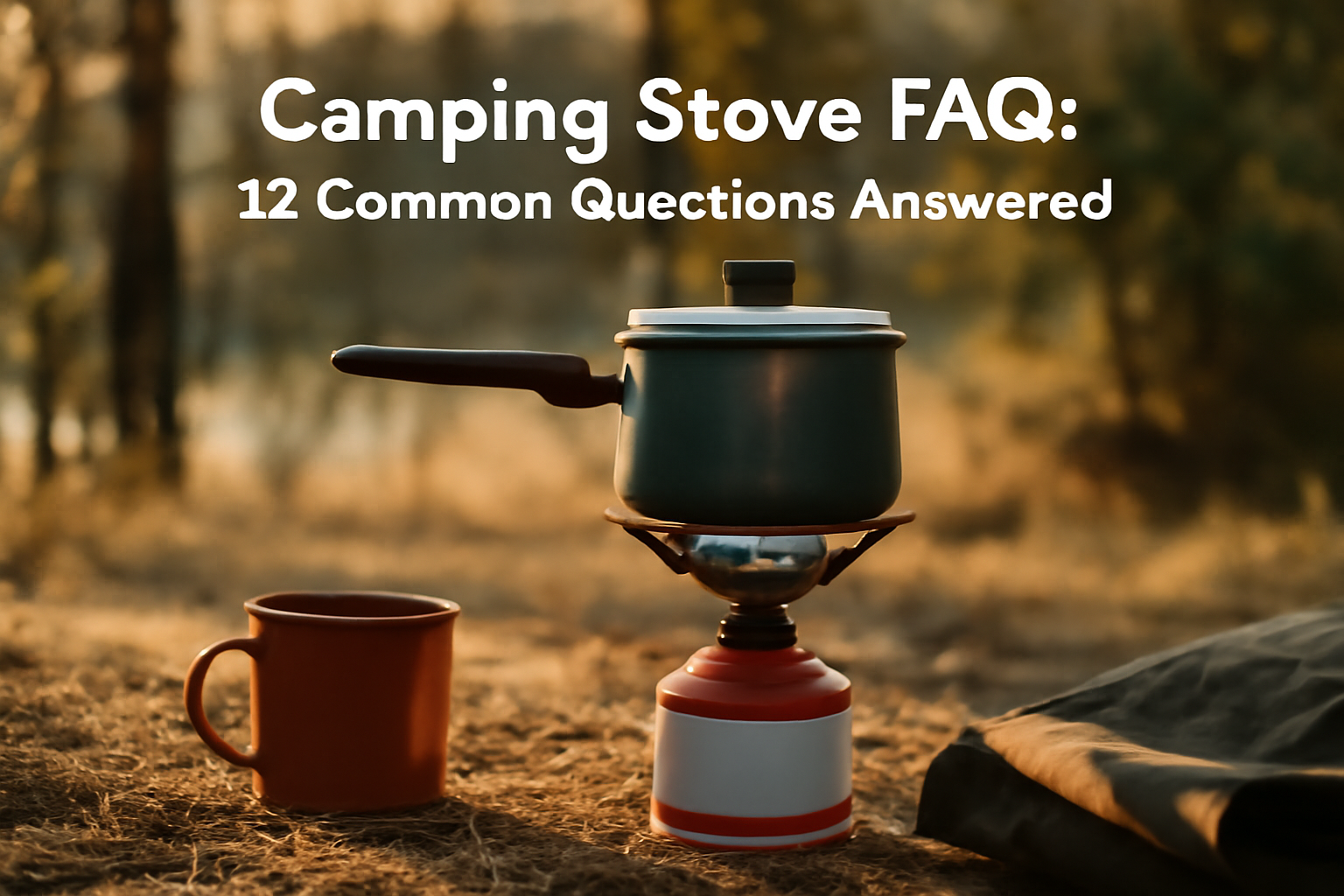
Camping stoves are essential for outdoor cooking, providing a convenient way to prepare meals in the wilderness. Understanding how they work can enhance your outdoor experience, ensuring you're well-prepared for your adventures. This FAQ addresses common questions about camping stoves, helping you make informed choices for your trips.
Whether you're a seasoned camper or just starting out, knowing the ins and outs of camping stoves can improve your cooking and overall enjoyment while exploring the great outdoors. Let's dive into the most frequently asked questions about how camping stoves function.
Table of Contents
- 1. How does a camping stove work?
- 2. What types of fuel do camping stoves use?
- 3. Are camping stoves safe to use?
- 4. Can I use a camping stove for indoor cooking?
- 5. How do I maintain my camping stove?
- 6. What should I consider when choosing a camping stove?
- 7. How long does a camping stove last on a fuel canister?
- 8. Can I use a camping stove for different cooking methods?
- 9. Are there eco-friendly camping stoves?
- 10. Can I use a camping stove at high altitudes?
- 11. What are some common camping stove brands?
- 12. How do I pack a camping stove for a trip?
1. How does a camping stove work?
A camping stove operates by burning fuel to create a flame for cooking. Most camping stoves use propane, butane, or liquid fuel. When the fuel is ignited, it produces heat that is directed to a cooking surface, allowing you to boil water, cook meals, or heat up food. The design of the stove typically includes a burner, fuel canister, and control valves to regulate the flame. Your Ultimate Guide to Camping and Hiking Equipment.
2. What types of fuel do camping stoves use?
Camping stoves primarily use three types of fuel: propane, butane, and liquid fuel. Propane and butane are often found in portable canisters, while liquid fuel stoves use a mixture of gasoline or kerosene. Each type of fuel has its pros and cons, such as ease of use, availability, and performance in cold weather. Selecting the right fuel depends on your specific camping needs and the conditions you will face. choosing hiking footwear.
3. Are camping stoves safe to use?
Yes, camping stoves are generally safe when used properly. It's crucial to follow the manufacturer's instructions and use the stove in a well-ventilated area to prevent the buildup of harmful gases. Avoid using stoves inside tents or enclosed spaces, as this poses a fire hazard and can lead to carbon monoxide poisoning. Additionally, keeping flammable materials away from the stove and monitoring the cooking process can help ensure safety.
4. Can I use a camping stove for indoor cooking?
Using a camping stove indoors is not recommended due to the risk of carbon monoxide buildup and fire hazards. These stoves are designed for outdoor use, where ventilation is adequate. If you need an indoor cooking solution, consider using electric appliances instead. When camping, it's best to utilize your camping stove in open areas, ensuring a safe cooking environment.
5. How do I maintain my camping stove?
Maintaining your camping stove is essential for its longevity and performance. Regularly clean the burners and fuel lines to prevent clogs. After each use, check for any leaks or damage, especially in the fuel canister connection. Store the stove in a cool, dry place, and ensure that no fuel residue remains. Following these maintenance tips will ensure your stove is ready for your next outdoor adventure.
6. What should I consider when choosing a camping stove?
When selecting a camping stove, consider factors such as the type of fuel it uses, weight, portability, and cooking capacity. If you plan to cook for a group, a larger stove with multiple burners may be beneficial. For solo trips, a lightweight, compact stove might suffice. Additionally, evaluate how easy it is to set up and use, especially in various weather conditions.
7. How long does a camping stove last on a fuel canister?
The duration a camping stove lasts on a fuel canister depends on the stove's efficiency and the size of the canister. On average, a standard canister may last for about 1-2 hours of continuous cooking. Factors such as the flame setting, ambient temperature, and the type of food being cooked can affect this duration. It's a good idea to carry extra canisters or a backup stove for longer trips.
8. Can I use a camping stove for different cooking methods?
Yes, camping stoves can be versatile in cooking methods. You can boil, simmer, or sauté with the right cookware. Some stoves are designed for specific cooking techniques, like grilling or frying. However, ensure you have the appropriate pots and pans that are compatible with your stove type to maximize your cooking options while camping.
Understanding Cooking Methods
Camping stoves can accommodate a variety of cooking methods, each suitable for different types of meals. Here are some common methods you can use:
- Boiling: Ideal for pasta, rice, or soups. Use a pot with a lid to speed up the boiling process and conserve fuel.
- Simmering: Perfect for stews or sauces. Keep the heat low and stir occasionally to prevent sticking.
- Sautéing: Great for vegetables or proteins. A wide, flat pan allows for even cooking and browning.
- Grilling: Some camping stoves come with grill attachments. This method is fantastic for meats and vegetables, giving them a smoky flavor.
- Frying: Use a deep pot or frying pan to cook items like pancakes or eggs. Be cautious of oil splatter and ensure your stove can handle the heat.
Choosing the Right Cookware
The type of cookware you use can significantly affect your cooking experience. Here are some tips for selecting the right pots and pans:
- Material: Aluminum is lightweight and heats quickly, while stainless steel is durable and retains heat well. Cast iron is excellent for high-heat cooking but is heavier to carry.
- Size: Choose pots and pans that fit your stove's burner size. Larger cookware may not heat evenly on smaller burners.
- Non-stick vs. Traditional: Non-stick pans are easier to clean but may require lower heat. Traditional pans can withstand higher temperatures but may need more oil to prevent sticking.
Practical Tips for Versatile Cooking
To get the most out of your camping stove, consider these practical tips:
- Plan Your Meals: Before your trip, plan meals that utilize different cooking methods. This will help you pack the right cookware and ingredients.
- Practice at Home: Try out your camping stove at home to get familiar with its heat settings and how quickly it cooks different foods.
- Use a Heat Diffuser: If your stove has a high heat output, consider using a heat diffuser to distribute heat evenly, preventing burning or sticking.
- Keep It Clean: Clean your cookware after each use to maintain its condition and ensure it's ready for the next meal.
Common Mistakes to Avoid
When using a camping stove, it's easy to make a few common mistakes. Here are some to watch out for:
- Overloading the Stove: Avoid placing too much weight on the stove, which could cause it to tip over or malfunction.
- Ignoring Wind Conditions: Wind can affect cooking efficiency. Use a windscreen or position your stove in a sheltered area to maintain consistent heat.
- Not Prepping Ingredients: Prepare your ingredients at home to save time and reduce hassle while cooking in the outdoors.
- Using the Wrong Fuel: Always check that you're using the correct fuel type for your specific stove model to avoid damage or accidents.
By understanding the various cooking methods and preparing appropriately, you can enjoy diverse meals while camping. Whether you're boiling water for coffee or grilling a hearty dinner, a camping stove can enhance your outdoor cooking experience immensely.
9. Are there eco-friendly camping stoves?
Yes, eco-friendly camping stoves are available on the market. These stoves often use renewable energy sources, such as biomass or solar power, reducing environmental impact. Some models utilize wood or other natural materials for fuel, which can be a sustainable option for outdoor cooking. When choosing a stove, consider how it aligns with your environmental values and camping practices.
10. Can I use a camping stove at high altitudes?
Camping stoves can be used at high altitudes, but their performance may be affected. At higher elevations, the air pressure decreases, which can result in a lower cooking temperature. To combat this, look for stoves designed for high-altitude use or consider adjusting your cooking times and techniques accordingly. Additionally, using a windscreen can help improve efficiency in windy conditions.
11. What are some common camping stove brands?
Several reputable brands offer quality camping stoves, including MSR, Coleman, and Jetboil. Each brand has its unique features and designs catering to various camping styles and needs. Researching brand reviews and product specifications can help you find the best camping stove for your outdoor adventures.
When choosing a camping stove, it's essential to consider the type of camping you plan to do, the number of people you'll be cooking for, and the types of meals you want to prepare. Below, we delve into some of the most popular camping stove brands, their standout features, and what makes them a great choice for outdoor cooking.
MSR (Mountain Safety Research)
MSR is known for its high-performance camping stoves that are particularly favored by backpackers and mountaineers. They offer lightweight and compact designs, making them ideal for those who prioritize portability. Some popular models include:
- MSR PocketRocket: This is a classic canister stove known for its reliability and ease of use. It boils water quickly and is perfect for solo adventurers.
- MSR WhisperLite: A versatile stove that can use multiple fuel types, including white gas, kerosene, and unleaded gasoline. It's great for longer trips where fuel options may vary.
When using MSR stoves, remember to check the fuel compatibility and ensure you have the right fuel type for your stove model. It's also advisable to practice setting up the stove before your trip to familiarize yourself with its operation.
Coleman
Coleman is a household name in the camping industry, offering a wide range of camping stoves suitable for family camping and car camping. Their stoves are known for their durability and affordability. Key models include:
- Coleman Classic Propane Stove: This two-burner stove is perfect for cooking multiple dishes at once, featuring adjustable burners for precise temperature control.
- Coleman Camp Grill: A versatile option that includes a grill grate, allowing you to cook a variety of meals, from pancakes to burgers.
One common mistake with Coleman stoves is not securing the propane canister properly. Always ensure the canister is tightly connected to avoid leaks. Additionally, check for any rust or damage before each use to ensure safety.
Jetboil
Jetboil specializes in efficient cooking systems designed for quick boiling and minimal fuel consumption. Their stoves are particularly popular among hikers and backpackers who need to prepare meals quickly. Notable models include:
- Jetboil Flash: This system can boil water in just over two minutes, making it ideal for quick meals or hydration on the go.
- Jetboil MiniMo: Offers more cooking versatility with a simmer control feature, allowing for more complex meals.
When using Jetboil systems, it's essential to use the specific Jetboil fuel canisters for optimal performance. Also, be cautious of the stove's heat output, as it can become very hot during use. Always let it cool down before handling.
Other Notable Brands
In addition to the brands mentioned, there are several other reputable camping stove manufacturers worth considering:
- Primus: Known for their innovative designs and high-quality materials, Primus stoves are popular among serious outdoor enthusiasts.
- Camp Chef: Offers larger, more robust stoves ideal for group camping, often featuring multiple burners and oven options.
- Snow Peak: A Japanese brand that focuses on lightweight and compact designs, perfect for minimalist backpackers.
When selecting a camping stove, it's beneficial to read customer reviews and ratings to gauge the performance and reliability of each brand. Consider the specific features that align with your camping style, such as weight, size, fuel type, and cooking capabilities. Ultimately, the right camping stove can enhance your outdoor cooking experience and make meal preparation a breeze.
12. How do I pack a camping stove for a trip?
When packing a camping stove, ensure it's clean and free of fuel residue. Secure the stove in a protective case or bag to prevent damage during transport. Keep fuel canisters upright and away from sharp objects. Additionally, pack your cooking utensils and cookware together for easy access when you arrive at your campsite. Proper packing will help ensure a hassle-free cooking experience during your outdoor excursions.
Understanding how a camping stove works and the various options available can significantly enhance your outdoor cooking experience. Whether you're planning a family camping trip or a solo adventure, being knowledgeable about your stove can make all the difference. For more tips and gear for outdoor exploration, check out our outdoor gear collection at Timberline Provisions!