
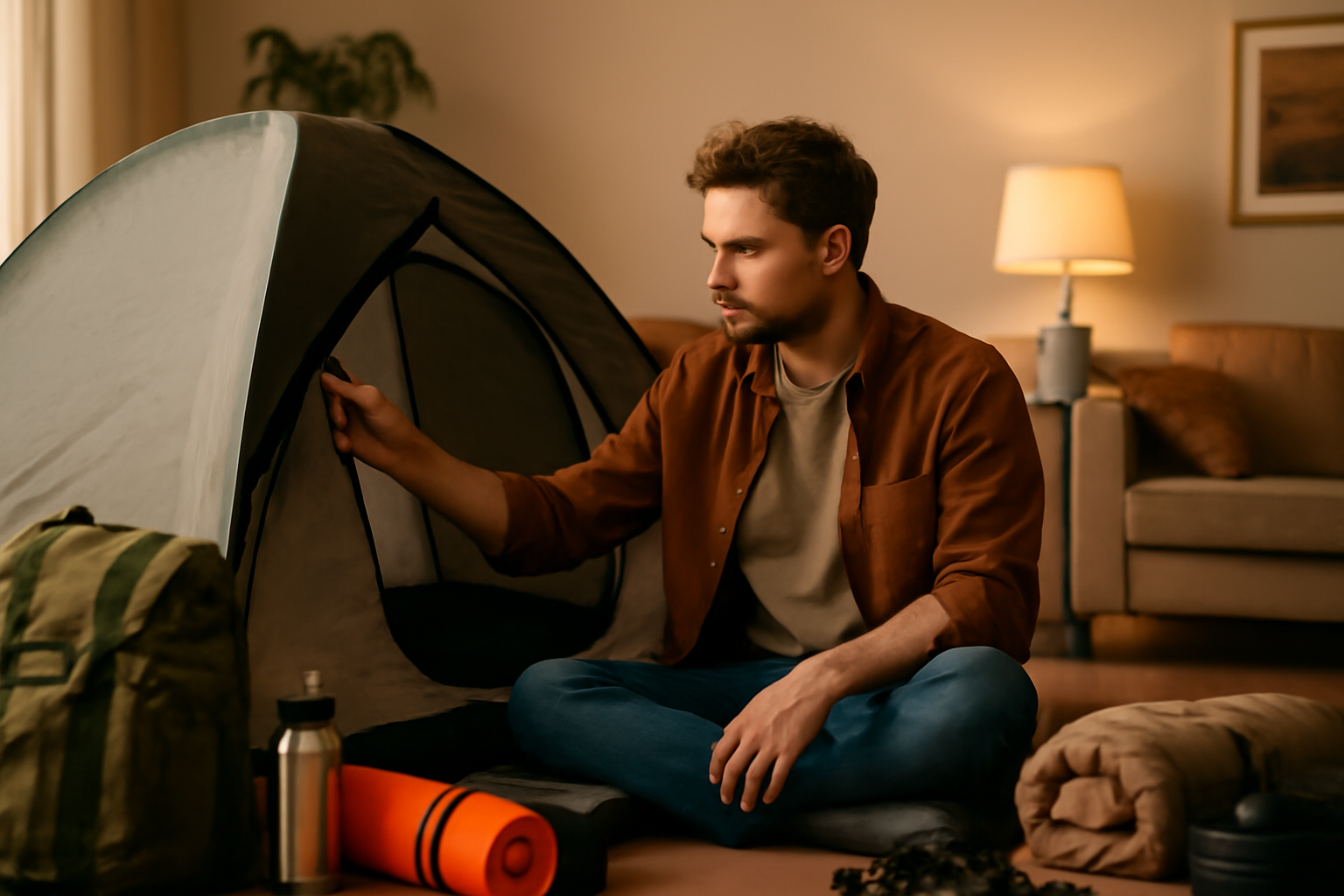
Camping is an adventure that calls to many outdoor enthusiasts, but the question of whether investing in camping gear is worth it can often linger in the minds of potential adventurers. With a plethora of options available, it's essential to evaluate if the benefits of quality gear align with your camping aspirations.
This guide will help you assess the value of investing in camping gear, focusing on who needs it most, what features to consider, common pitfalls to avoid, and a handy checklist to aid in your decision-making process.
Table of Contents
Who Should Invest in Camping Gear?
Investing in camping gear is particularly beneficial for individuals or families who plan to camp regularly. If you enjoy weekend getaways, seasonal trips, or extended expeditions, having reliable gear can enhance your experience. Here are some groups who would greatly benefit: Your Ultimate Guide to Camping and Hiking Equipment.
- Frequent Campers: Those who head out multiple times a year will find that well-made gear can improve comfort and safety.
- Families: Parents looking to create memorable experiences with their children can invest in family-friendly camping tools that make outings enjoyable for all ages.
- Adventure Seekers: Individuals who enjoy hiking, fishing, or biking during their camping trips will need specialized equipment like fishing accessories or an electric mountain bike.
What to Look For in Camping Gear
When considering camping gear, it's crucial to assess several key factors that can affect your overall experience. Here are some essential features to look for: camping checklist for families.
Durability
Camping gear should withstand various weather conditions and rough handling. Look for materials that are known for their strength and longevity.
Weight
For those who hike to their camping spots, lightweight gear is vital. It can make a significant difference in your overall comfort and ease of travel.
Functionality
Consider how versatile your gear is. Gear that serves multiple purposes can save space and reduce costs. For example, a multi-tool can be essential for various tasks.
Comfort
From sleeping bags to camping chairs, comfort can make or break your camping experience. Test gear whenever possible to ensure it meets your comfort needs.
Ease of Use
Choose gear that is easy to set up and use, especially if you're camping with family or friends. Complicated setups can lead to frustration, especially after a long day of travel.
Common Pitfalls to Avoid
While investing in camping gear can be rewarding, there are common mistakes that new campers often make. Here's what to avoid:
Overbuying
It's easy to get excited and buy more gear than you actually need. Focus on the essentials first and add specialized items as your experience grows.
Ignoring Reviews
Failing to check reviews can result in purchasing low-quality gear. Take the time to read feedback from other campers to make informed decisions.
Neglecting Maintenance
Your camping gear needs care to last. Ignoring maintenance can lead to premature wear and tear. Always follow care instructions provided by the manufacturer.
Decision Checklist for Investing in Camping Gear
When considering whether to invest in camping gear, use this checklist to guide your decision:
- How often do you plan to camp?
- What type of camping experiences are you seeking (e.g., car camping, backpacking, family camping)?
- What is your budget for camping gear?
- Have you researched quality brands and read user reviews?
- Can you test the gear before purchasing?
- Will the gear meet your needs for comfort and functionality?
Frequency of Camping
Understanding how often you plan to camp is crucial. If you're a weekend warrior who camps several times a month, investing in high-quality gear makes sense. However, if you only camp once a year, consider renting gear or purchasing more affordable options. A good rule of thumb is:
- **Frequent Camper (Monthly or More)**: Invest in durable, high-performance gear that will withstand regular use.
- **Occasional Camper (A Few Times a Year)**: Look for mid-range options that balance quality and price.
- **Infrequent Camper (Once a Year)**: Consider budget-friendly gear or rentals to save money.
Type of Camping Experience
Your camping style will greatly influence your gear choices. Different types of camping require different equipment:
- **Car Camping**: Focus on comfort and convenience. Invest in a good tent, sleeping bags, and portable cooking equipment.
- **Backpacking**: Prioritize lightweight and compact gear. Look for high-quality tents, sleeping pads, and backpacks designed for long hikes.
- **Family Camping**: Choose gear that accommodates multiple people. Consider larger tents, family-sized cooking gear, and safety equipment.
Make a list of your camping goals, and ensure your gear aligns with those experiences. For example, if you plan to hike to your campsite, prioritize lightweight options. If you're setting up at a campsite with vehicle access, comfort becomes more important.
Budget Considerations
Your budget will significantly influence your purchasing decisions. Here's how to break it down:
- **Set a Total Budget**: Determine how much you are willing to spend overall.
- **Prioritize Essentials**: Identify must-have items versus nice-to-have items. Focus on essentials like tents, sleeping bags, and cooking gear first.
- **Consider Long-Term Investment**: Sometimes spending a bit more on durable gear can save you money in the long run, as you won't need to replace it as often.
Keep an eye out for sales or seasonal discounts, especially during off-peak camping seasons. This can help you stick to your budget while still acquiring quality gear.
Researching Brands and User Reviews
Researching quality brands is essential to ensure you're making a wise investment. Follow these steps:
- **Identify Trusted Brands**: Look for brands known for their durability and performance in outdoor gear.
- **Read User Reviews**: Check online reviews and forums to see what actual users say about the gear you're considering. Pay attention to comments on durability, ease of use, and comfort.
- **Ask for Recommendations**: Talk to friends or local outdoor enthusiasts about their experiences with specific brands and products.
By gathering this information, you can make more informed choices and avoid potential pitfalls associated with lesser-known brands.
Testing Gear Before Purchase
If possible, testing gear before purchasing can save you from buyer's remorse. Here's how to go about it:
- **Visit Outdoor Retailers**: Many stores have displays where you can handle gear and even try out tents and sleeping bags.
- **Attend Outdoor Expos**: These events often have opportunities to test gear in a simulated environment.
- **Rent Before You Buy**: Consider renting gear for a trip to see how it performs before making a purchase.
Testing gear helps ensure that it meets your expectations for comfort and functionality, particularly for items like sleeping bags and backpacks.
Comfort and Functionality Needs
Ultimately, the gear you choose should cater to your comfort and functional needs. Consider the following:
- **Sleeping Gear**: Ensure sleeping bags are rated for the temperature conditions you expect. Test sleeping pads for comfort and insulation.
- **Cooking Equipment**: Look for portable stoves or cooksets that are easy to use and clean. Check if they fit your cooking style and meal planning.
- **Clothing and Footwear**: Invest in moisture-wicking and weather-resistant clothing. Proper footwear is critical for comfort during hikes.
Make a checklist of your comfort requirements and ensure that the gear you choose aligns with those needs. Comfort can significantly enhance your camping experience, making it more enjoyable and less stressful.
Quick Picks by Scenario
To simplify your decision-making, here are quick recommendations based on different scenarios:
- Beginner: Start with a basic tent, sleeping bag, and cooking equipment. For tents, consider options that are easy to pitch, like pop-up or dome tents. A sleeping bag rated for three seasons will keep you comfortable in varying weather, while a compact cooking set that includes a pot, pan, and a portable stove will cover your basic meal needs. Remember to check the weight and packability of these items to ensure they are easy to carry.
- Intermediate: Invest in a quality backpack, reliable stove, and durable cookware. Look for a backpack with adjustable straps and multiple compartments for organization. A lightweight, high-efficiency stove can save you time and fuel, while durable cookware made from stainless steel or titanium can withstand the rigors of outdoor cooking. Consider adding a hydration system or water filter to stay hydrated on your adventures.
- Budget-Friendly: Look for deals on multi-use gear that provides value without breaking the bank. Opt for gear that can serve multiple purposes, such as a sleeping pad that doubles as a seat cushion or a multi-tool that includes a knife, screwdriver, and bottle opener. Check local outdoor stores for seasonal sales or online marketplaces for discounted items. Additionally, consider borrowing gear from friends or renting for specific trips to save costs.
- Premium Enthusiast: Go for high-end tents, top-tier sleeping pads, and specialized accessories like fishing accessories or hiking essentials. Invest in a four-season tent for extreme weather conditions, and choose a sleeping pad with excellent insulation and comfort features. Specialized gear, such as lightweight fishing rods or high-performance hiking boots, can enhance your outdoor experience. Look for brands known for their durability and performance in challenging environments.
- Time-Limited: Choose gear that sets up quickly and has user-friendly features. For example, select tents with color-coded poles and clips for easy assembly, or a camping stove with a one-button ignition. Consider using a hammock for quick setup and relaxation, as they often require minimal time to hang. Additionally, pre-pack your gear in a way that allows for swift access to essentials, so you can spend more time enjoying your adventure.
Checklist for Each Scenario
To further assist you in your decision-making, here's a checklist tailored to each scenario:
-
Beginner:
- Basic tent
- Three-season sleeping bag
- Compact cooking set
- Headlamp or flashlight
- First-aid kit
-
Intermediate:
- Quality backpack (50-70 liters)
- Reliable camp stove
- Durable cookware set
- Water filter or purification tablets
- Multi-tool or knife
-
Budget-Friendly:
- Multi-use gear (e.g., sleeping pad that doubles as a seat)
- Discounted or second-hand items
- Camping accessories on sale
- Basic first-aid kit
- Reusable water bottle
-
Premium Enthusiast:
- High-end four-season tent
- Top-tier sleeping pad
- Lightweight fishing gear or specialized hiking tools
- High-performance backpacking stove
- Insulated water bottle
-
Time-Limited:
- Quick-setup tent
- User-friendly camp stove
- Pre-packed gear for easy access
- Portable hammock
- Instant coffee or meal options for quick meals
Common Mistakes to Avoid
When investing in camping gear, avoid these common pitfalls:
- Overpacking: It's easy to bring too much gear, leading to heavy packs. Stick to essentials and prioritize lightweight options.
- Ignoring Weather Conditions: Always check the weather forecast for your destination and choose gear that can handle the expected conditions.
- Neglecting Research: Don't rush your purchases. Research products, read reviews, and compare features to ensure you're making informed decisions.
- Forgetting Maintenance: Proper maintenance extends the life of your gear. Clean and store items correctly after each trip to prevent wear and tear.
- Buying on Impulse: Avoid making spur-of-the-moment purchases. Take time to consider your needs and how often you'll use the gear.
Conclusion
Deciding whether investing in camping gear is worth it ultimately depends on your individual needs, how often you'll be using the gear, and the type of experiences you want to create outdoors. Start small, focus on quality, and enjoy the adventure that the great outdoors has to offer. For a solid start, consider checking out our backpacking gear recommendations or a camping checklist for families to ensure you're well-prepared for your next outing.
Assessing Your Needs
Before making any purchases, take a moment to assess your specific camping needs. Ask yourself the following questions:
- How frequently do I plan to go camping?
- What type of camping do I prefer (car camping, backpacking, or glamping)?
- What activities will I be doing (hiking, fishing, or simply relaxing)?
Your answers will guide you in determining what gear is essential versus what can be considered optional. For instance, if you plan to camp regularly, investing in high-quality tents and sleeping bags might be worthwhile. On the other hand, if you camp infrequently, you might opt for renting or borrowing gear.
Quality Over Quantity
When it comes to camping gear, quality is paramount. Well-made equipment can enhance your outdoor experience significantly. Consider the following tips for choosing high-quality gear:
- Research Brands: Look for reputable brands known for their durability and performance.
- Read Reviews: Check customer reviews and expert opinions to gauge the reliability of specific items.
- Test Before You Buy: Whenever possible, try out gear in-store to ensure it meets your comfort and usability standards.
For example, a high-quality tent can withstand harsh weather conditions and provide a comfortable shelter, making it a worthy investment for frequent campers.
Creating a Budget
Establishing a budget is crucial when investing in camping gear. Here's a simple guide to help you:
- List Essential Gear: Write down the items you need most urgently, such as a tent, sleeping bag, and cooking supplies.
- Set Price Ranges: Determine how much you are willing to spend on each item. This will help you prioritize purchases.
- Look for Sales: Take advantage of seasonal sales or discounts at outdoor retailers to stretch your budget further.
By planning your budget carefully, you can make informed decisions that align with your financial situation while still acquiring essential gear.
Common Mistakes to Avoid
As you embark on your camping gear investment journey, be aware of these common pitfalls:
- Overbuying: It's easy to get carried away with all the exciting gear available. Stick to your list of essentials to avoid unnecessary expenses.
- Ignoring Weight: If you plan to backpack, consider the weight of your gear. Heavy items can quickly become burdensome on the trail.
- Neglecting Maintenance: Failing to care for your gear can lead to premature wear and tear. Regularly clean and store your equipment properly.
Avoiding these mistakes will not only save you money but also ensure a better camping experience overall.
Final Thoughts
Ultimately, investing in camping gear can be a rewarding decision that enhances your outdoor adventures. With careful consideration of your needs, a focus on quality, and a well-planned budget, you can build a collection of gear that serves you well for years to come. Embrace the journey, and let the great outdoors become your playground!