
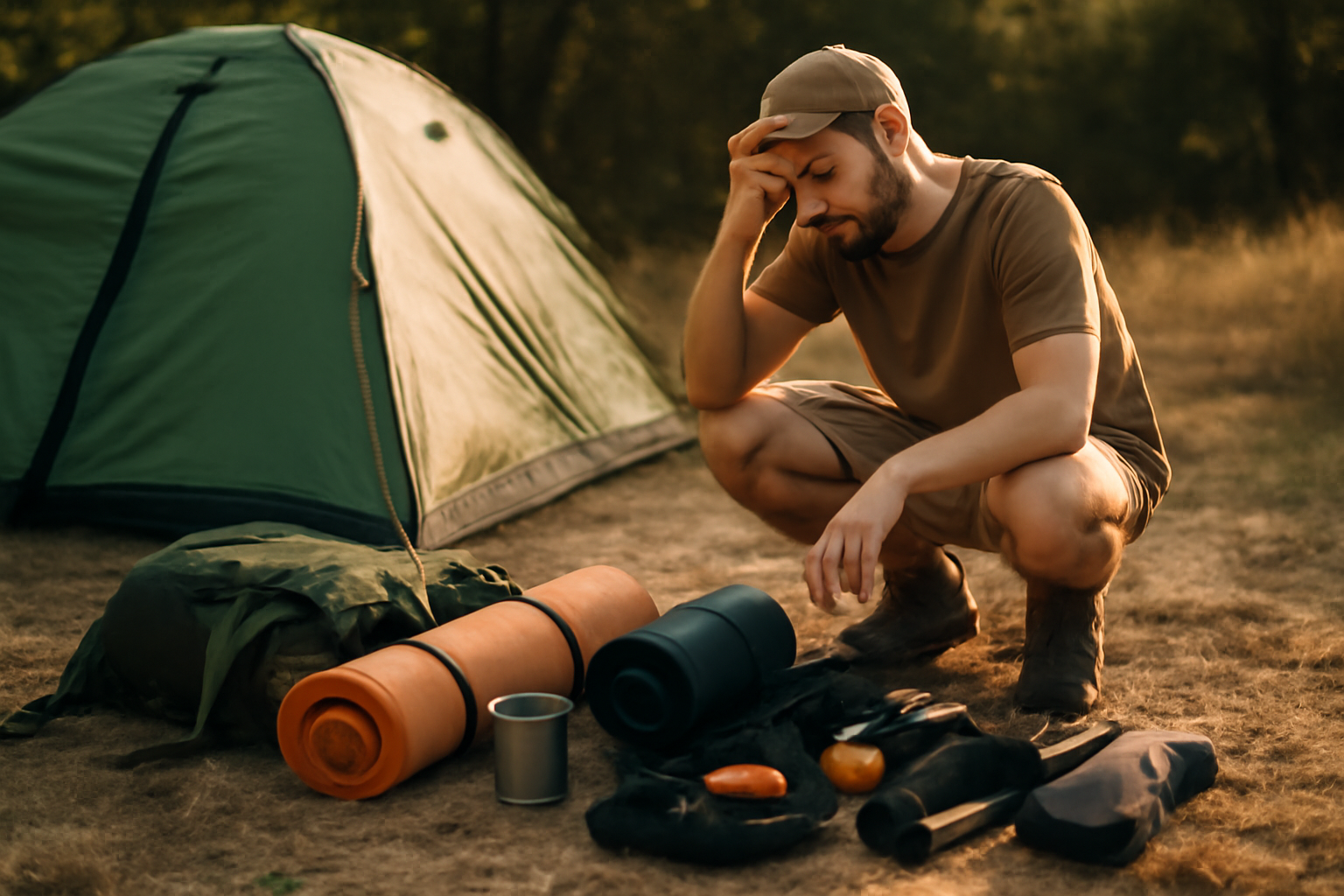
Camping is an adventure that connects you with nature, offering a serene escape from the hustle of daily life. However, the joy of camping can quickly turn sour if you're not prepared. Many campers fall prey to common mistakes with camping gear that can lead to discomfort or even danger on their trips.
This guide will help you identify these pitfalls and provide practical solutions to ensure your camping experience is enjoyable and safe. From selecting the right equipment to packing efficiently, let's explore how to navigate these common missteps.
Table of Contents
Quick Diagnosis
Recognizing the signs of inadequate camping gear is the first step to improving your outdoor experience. If you find yourself feeling uncomfortable during your trip, struggling to set up your tent, or realizing you forgot essential items, you may be facing common gear-related mistakes. Your Ultimate Guide to Camping and Hiking Equipment.
To help you identify these issues, we've compiled a list of common signs that indicate your camping gear may not be up to par. By understanding these signs, you can take proactive steps to enhance your outdoor adventures. gear maintenance checklist.
Signs of Inadequate Gear
- Discomfort at Night: If you're waking up sore or cold, your sleeping bag or sleeping pad may not be suitable for the conditions.
- Difficulty Setting Up: Struggling with your tent setup can indicate that it's either too complex or not user-friendly for your skill level.
- Lack of Essential Items: Forgetting items like a first aid kit, cooking utensils, or proper clothing can lead to a frustrating experience.
- Heavy Load: If your backpack feels excessively heavy, it could mean you're overpacking or using gear that isn't lightweight.
- Inadequate Weather Protection: If you find yourself wet or exposed during unexpected weather changes, your gear may not be waterproof or insulated enough.
Checklist for Gear Evaluation
To ensure your camping gear is up to the task, consider using the following checklist before your next trip:
-
Sleeping Gear:
- Is your sleeping bag rated for the temperatures you expect?
- Do you have a sleeping pad that provides sufficient insulation and comfort?
-
Cooking Supplies:
- Do you have a portable stove and sufficient fuel?
- Are your cooking utensils easy to pack and lightweight?
-
Shelter:
- Is your tent appropriate for the season and weather conditions?
- Do you have a footprint or tarp to protect the tent floor?
-
Clothing:
- Are you packing layers suitable for varying temperatures?
- Do you have waterproof gear for unexpected rain?
-
Safety Gear:
- Do you have a first aid kit stocked with necessary supplies?
- Is your gear equipped with a flashlight or headlamp with extra batteries?
Common Mistakes to Avoid
Being aware of common mistakes can help you make better choices when selecting your camping gear. Here are some frequent pitfalls to watch out for:
- Overpacking: Bringing too much gear can lead to a heavy backpack. Focus on multi-use items and prioritize essentials.
- Ignoring Weather Conditions: Always check the forecast and pack accordingly. Failing to prepare for rain, cold, or heat can make your trip uncomfortable.
- Inadequate Testing: Never assume your gear is in good condition. Test your tent, sleeping bag, and cooking equipment before your trip to ensure everything works properly.
- Neglecting Maintenance: Regularly clean and maintain your gear. For example, check for leaks in your tent and ensure your stove is functioning correctly.
- Not Practicing Setup: Practice setting up your tent and cooking equipment at home before heading out. This will save you time and frustration in the field.
By diagnosing these common mistakes and being proactive with your gear choices, you can significantly enhance your camping experience. Remember, the right gear not only contributes to comfort but also ensures safety and enjoyment in the great outdoors.
The Most Common Mistakes with Camping Gear
1. Overpacking or Underpacking
One of the biggest mistakes campers make is either bringing too much or not enough gear. Overpacking can lead to unnecessary weight and bulk, making it difficult to hike or navigate. On the other hand, underpacking can leave you without essentials, leading to discomfort or safety issues.
To avoid this, create a checklist based on your specific needs and the duration of your trip. Consider the weather, terrain, and activities planned to tailor your packing list accordingly.
2. Ignoring Gear Quality
Not all camping gear is created equal. Opting for lower-quality products to save money can backfire. Cheap tents may leak, sleeping bags may not keep you warm, and flimsy cookware can break easily.
Investing in quality gear is essential for outdoor adventure readiness. Look for durable items that can withstand various weather conditions. Brands like Timberline Provisions offer reliable outdoor gear collection that ensures you stay comfortable and safe.
3. Neglecting Maintenance and Repairs
Many campers skip the maintenance of their gear, leading to failures when it matters most. Tents with broken zippers, sleeping pads with leaks, or stoves that won't ignite can ruin your trip.
Regularly check your equipment before each trip. Clean your gear, repair any damages, and ensure everything is functional. Proper care extends the life of your camping gear and enhances your overall experience.
4. Failing to Test Gear Before the Trip
It's a rookie error to assume that new gear will work perfectly without a test run. Trying out your camping gear at home helps you familiarize yourself with its setup and functionality.
Set up your tent in the backyard, test your stove, and break in your hiking boots before hitting the trails. This preparation helps you identify any issues and makes for a smoother camping experience.
5. Not Considering Weather Conditions
Weather can change rapidly in the great outdoors. Many campers fail to check the forecast before heading out, leading to inadequate gear choices. A sunny day can quickly turn into a rainstorm if you're unprepared.
Always check the weather conditions leading up to your trip. Pack accordingly, ensuring you have appropriate clothing and shelter for varying temperatures and conditions.
Fix It Fast
If you recognize any of these common mistakes in your camping preparations, here are some quick fixes:
- **Re-evaluate your packing list**: Make adjustments based on your trip's specific needs. Consider the duration of your stay, the activities planned, and the environment. For example, if you're going to a colder region, add thermal layers and a good sleeping bag rated for lower temperatures. Create a checklist that includes essentials like cooking gear, food supplies, and safety equipment.
- **Invest in quality gear**: Consider upgrading to reliable camping equipment, such as those in the Timberline Provisions equipment range. Look for tents that are waterproof and durable, sleeping pads that provide comfort, and cooking supplies that are lightweight yet functional. Research brands and read reviews to ensure you're making wise investments. Remember, quality gear can make or break your camping experience.
- **Conduct gear tests**: Allocate time before your trip to set up and use your gear. Practice setting up your tent in your backyard or living room to familiarize yourself with the process. Test your cooking equipment to ensure you know how to operate it efficiently. If you're using a new sleeping bag, spend a night in it at home to check for comfort and warmth. This practice can help identify any issues early on.
- **Stay updated on weather**: Use reliable weather apps to keep track of changing conditions. Check the forecast regularly leading up to your trip, and be prepared to adjust your plans accordingly. For instance, if rain is expected, ensure you pack waterproof gear and plan indoor activities. Familiarize yourself with local weather patterns, as they can vary significantly from your home environment.
Additional Tips for Quick Fixes
Here are some further strategies to enhance your camping experience:
- **Double-check your food supplies**: Ensure you have enough food for your entire trip, including snacks for hikes. Consider dietary restrictions and preferences when planning meals. Make a meal plan and prepare some items in advance to save time during your trip.
- **Organize your gear**: Use packing cubes or bags to keep your gear organized. Label items to make them easy to find. This will save you time when setting up camp and looking for specific items during your trip.
- **Prepare for emergencies**: Always pack a first-aid kit and familiarize yourself with its contents. Include items like antiseptic wipes, band-aids, and any personal medications. Consider taking a basic first-aid course to handle minor injuries effectively.
- **Practice Leave No Trace principles**: Educate yourself on how to minimize your impact on the environment. Bring trash bags to pack out all waste, and learn about local regulations regarding campfires and wildlife interactions.
By addressing these common mistakes and implementing these quick fixes, you can enhance your camping experience and ensure a memorable adventure in the great outdoors. Remember, preparation is key to enjoying your time in nature to its fullest!
Additional Considerations for Your Camping Gear
Choosing the Right Tent
Your tent is your home away from home while camping. Selecting the wrong size or type can lead to discomfort. Make sure to choose a tent that suits the number of occupants and the conditions you expect. Check for features like waterproofing and ventilation.
For larger groups or families, look for spacious tents that can accommodate everyone and their gear. If you're hiking to your campsite, consider lightweight options that won't weigh you down.
Durability of Sleeping Gear
Your sleep is crucial for an enjoyable camping experience. Investing in a good sleeping pad and sleeping bag is essential. Look for options that are lightweight but provide adequate insulation for the temperatures you'll face.
Test your sleeping gear at home to ensure it meets your comfort needs. This is particularly important if you're camping in colder areas where warmth is critical.
Essential Cooking Gear
Cooking outdoors can be a pleasurable experience if you have the right equipment. Invest in quality cooking gear like portable stoves and cookware that are both lightweight and functional. Don't forget to include necessary fishing accessories if you plan to cook fresh catch.
Practice using your cooking gear before your trip to familiarize yourself with its operation. This will make meal prep easier and more enjoyable when you're out in nature.
Conclusion
The key to a successful camping trip lies in being well-prepared and avoiding common mistakes with camping gear. By understanding the typical pitfalls and implementing solutions, you can ensure that your outdoor adventures are enjoyable and stress-free. Start by assessing your gear, packing wisely, and always being prepared for changing conditions. With these adjustments, you're on the right path to creating unforgettable camping memories.
To help reinforce this, here's a practical checklist to guide you in your preparation:
-
Gear Assessment:
- Inspect all gear for damage or wear and tear.
- Ensure that all components are functioning, such as zippers on tents and stoves.
- Test any electronic devices to ensure they are charged and operational.
-
Packing Essentials:
- Make a list of necessary items to avoid forgetting anything important.
- Pack items based on their frequency of use; keep essentials easily accessible.
- Utilize waterproof bags for sensitive items like electronics and clothing.
-
Weather Preparedness:
- Check the weather forecast for your camping location before departure.
- Pack layers of clothing to adapt to changing temperatures.
- Include gear for unexpected weather, such as rain covers or extra tarps.
Additionally, here are some common mistakes to watch out for when preparing your camping gear:
- Overpacking: Bringing too much gear can lead to a heavy pack and unnecessary stress. Stick to the essentials and prioritize multi-use items.
- Ignoring Weight Distribution: Improperly packed gear can affect your balance and comfort while hiking. Distribute weight evenly and pack heavier items close to your back.
- Neglecting to Practice Setup: Setting up your tent or cooking equipment for the first time in the dark or bad weather can be frustrating. Practice before you go to familiarize yourself with your gear.
In summary, being mindful of these tips and avoiding common mistakes with camping gear will significantly enhance your outdoor experience. With careful planning and preparation, you can focus on enjoying nature and making lasting memories with friends and family. So gear up, hit the trails, and embrace the adventure that awaits you in the great outdoors!