
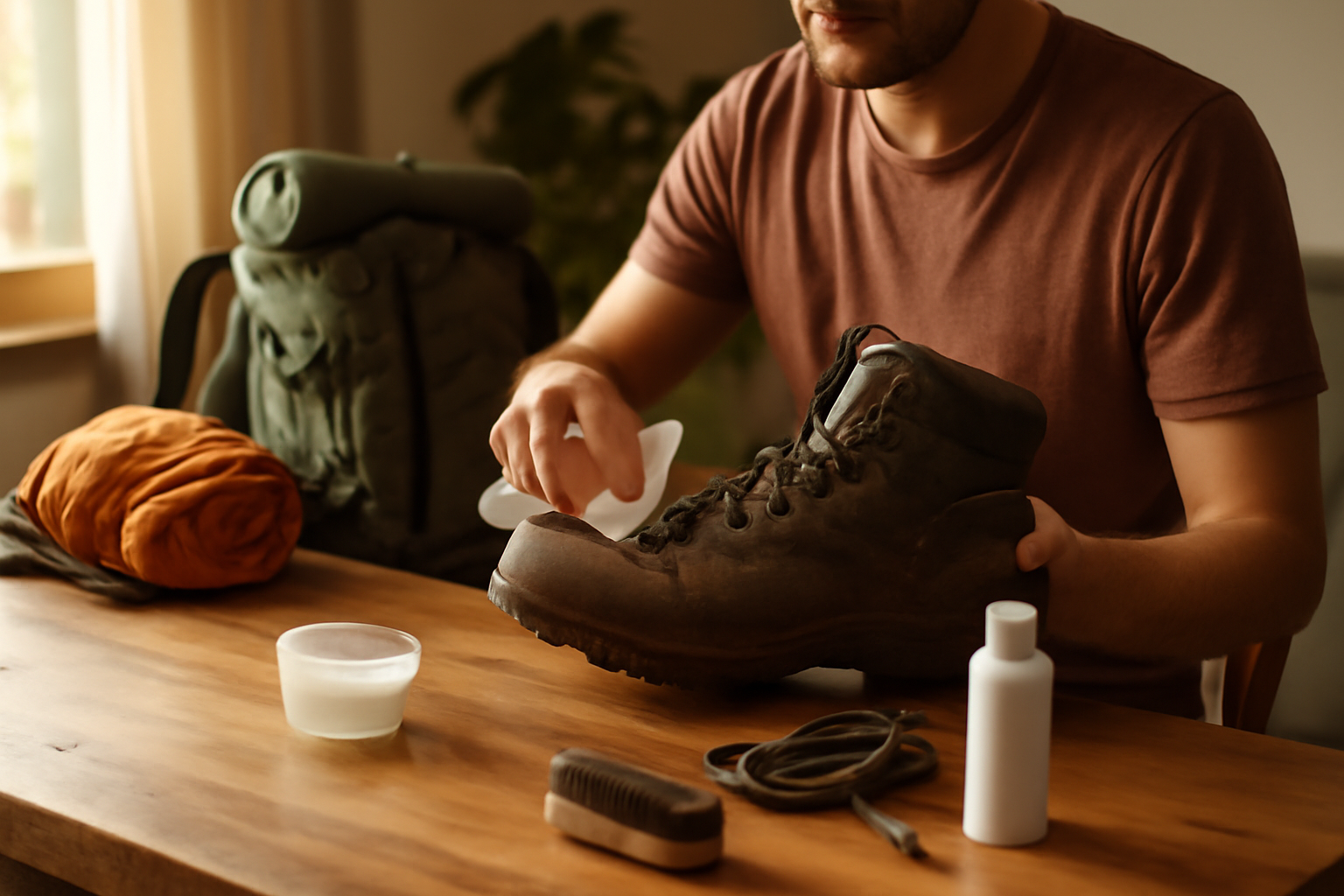
Maintaining your hiking equipment is essential for ensuring safety, performance, and longevity during your outdoor adventures. Whether you're a weekend warrior or a seasoned trailblazer, knowing how to properly care for your gear can save you time and money while enhancing your hiking experience.
This guide will cover the steps needed to keep your hiking equipment in top shape, including cleaning, inspecting, and storing your gear. By following these simple guidelines, you'll be ready for your next hike with confidence. beginner camping equipment.
Table of Contents
Step 1: Clean Your Gear Regularly
Cleaning your hiking equipment after each trip is crucial for removing dirt, mud, and grime that can lead to damage over time. Here's how to do it effectively: Your Ultimate Guide to Camping and Hiking Equipment.
1.1 Backpacks and Daypacks
Remove all contents and empty pockets. Use a soft brush or cloth to wipe down the exterior and interior. For tough stains, use a mixture of mild soap and water. Rinse thoroughly and air dry.
1.2 Hiking Boots and Shoes
After each hike, remove dirt with a brush. If they are particularly dirty, wash them with soap and water. Make sure to remove insoles to dry them separately and prevent mold.
1.3 Tents and Sleeping Bags
Shake out any dirt or debris and spot clean with a damp cloth. For deeper cleaning, refer to the manufacturer's instructions, as some materials require specific care. Always ensure they are completely dry before storing to prevent mildew.
Step 2: Inspect Your Gear for Damage
Regular inspections help you catch any wear and tear early, preventing issues on the trail. Follow these inspection tips:
2.1 Check for Rips and Tears
Examine your packs, tents, and clothing for any rips or tears. Small holes can often be patched with repair tape or a sewing kit.
2.2 Examine Zippers and Buckles
Ensure zippers are functioning smoothly and buckles are intact. Lubricate zippers with a silicone spray if they are sticking.
2.3 Assess Footwear
Look for worn-out soles, separated seams, or any other damage. Replace shoes when tread is significantly worn down to maintain traction.
Step 3: Store Your Gear Properly
Proper storage is key to prolonging the life of your hiking equipment. Here's how to store different items:
3.1 Backpacks
Store backpacks in a cool, dry place. Avoid compressing them for long periods to maintain their shape. Here are some practical tips:
- Ensure all pockets and compartments are empty before storing. This prevents any leftover food or moisture from causing odors or mildew.
- Consider using a backpack storage bag or hanging it on a hook to keep its shape.
- Check for any repairs needed before storage, such as broken zippers or frayed straps, to address issues before they worsen.
3.2 Tents
Store tents loosely in a cotton or mesh bag to prevent moisture buildup. Avoid packing them away while damp. Follow these guidelines for optimal storage:
- Before storing, clean your tent by removing dirt and debris. A soft brush or damp cloth can help.
- Make sure the tent is completely dry to avoid mold and mildew. If you've been camping in wet conditions, set it up in your backyard or a well-ventilated area to dry.
- Store the tent poles separately to avoid bending or breaking. Consider using a dedicated storage tube for the poles.
3.3 Sleeping Bags
Use a storage sack rather than a compression sack to allow your sleeping bag to loft properly, which helps retain insulation. Here are some additional tips:
- Before storing your sleeping bag, ensure it is clean. Follow the manufacturer's instructions for washing, typically using a front-loading machine and a gentle detergent.
- Store the sleeping bag in a cool, dry area, ideally in a dedicated storage space like a closet. Avoid attics or basements where temperature and humidity fluctuate.
- Check for any repairs needed, such as broken seams or zippers, and fix them before storing to ensure your bag is ready for your next adventure.
3.4 Footwear
Proper storage of hiking boots and shoes is essential to maintain their shape and functionality. Follow these steps:
- Clean your footwear after each hike to remove dirt, mud, and debris. Allow them to dry naturally, away from direct heat sources.
- Store them in a cool, dry place. Avoid stacking them to prevent crushing.
- Use boot trees or stuff them with newspaper to help maintain their shape.
3.5 Cooking Equipment
Storing cooking gear correctly ensures it remains in good condition for your next trip. Here are some tips:
- Clean all cooking equipment thoroughly after use, especially pots and pans, to prevent rust and corrosion.
- Store them in a dry place, ideally in a dedicated container or box to keep them organized.
- Check for any missing parts, such as fuel canisters or utensils, and replenish your supplies as needed before your next adventure.
3.6 First Aid Kits
First aid kits are essential for any hiking trip. Storing them properly can ensure you are prepared for emergencies. Consider the following:
- Check your first aid kit regularly to replace expired items, such as medications or antiseptics.
- Store it in a waterproof bag or container to protect it from moisture and dirt.
- Keep it in an easily accessible location in your gear, so you can grab it quickly in case of an emergency.
By following these storage tips for each type of hiking equipment, you can ensure that your gear remains in excellent condition, ready for your next outdoor adventure. Regular checks and maintenance will help you identify any issues early, prolonging the life of your equipment and enhancing your overall hiking experience.
Step 4: Regular Maintenance and Repairs
Performing regular maintenance can extend the life of your gear. Here are a few tasks to consider:
4.1 Waterproofing
Reapply waterproofing treatments to jackets and tents as needed, especially after multiple washes. This keeps you dry during wet hikes. To ensure effective waterproofing, follow these steps:
- Choose the Right Product: Use a waterproofing spray or wash-in treatment that is compatible with your gear's material.
- Clean Your Gear: Before applying waterproofing, clean your gear according to the manufacturer's instructions to remove dirt and oils.
- Apply Evenly: Spray or wash the treatment evenly over the surface, ensuring all areas are covered.
- Allow to Dry: Let the gear dry completely before using it again; this may take several hours to a day.
Common mistakes include skipping the cleaning step or applying the treatment on wet fabric, which can hinder effectiveness. Regularly check your gear for signs of wear to determine when to reapply waterproofing.
4.2 Replacing Worn Parts
Replace broken zippers, frayed straps, or worn-out patches promptly. Many outdoor retailers provide repair kits specifically designed for this purpose. Here's how to effectively manage repairs:
- Inspect Regularly: Set a schedule to inspect your gear for wear and tear. Look for signs of damage like holes, fraying, and broken hardware.
- Use Quality Repair Kits: Invest in a high-quality repair kit that includes items like fabric patches, adhesive, replacement buckles, and zipper sliders.
- Follow Repair Instructions: For zippers, carefully remove the old slider and replace it with a new one, ensuring it aligns correctly with the teeth. For fabric tears, clean the area and apply a patch using the adhesive provided in the kit.
- Test Repairs: After making repairs, test the functionality of your gear. For example, zip and unzip zippers several times to ensure they operate smoothly.
Keep in mind that delaying repairs can lead to more significant issues down the line, so address any damage as soon as you notice it. Additionally, consider keeping a small repair kit in your pack for on-the-go fixes during hikes.
4.3 Cleaning Your Gear
Regular cleaning is essential for maintaining the performance and longevity of your hiking equipment. Different materials require specific cleaning methods:
- Fabrics: Use a gentle detergent and avoid fabric softeners, which can break down waterproof coatings. Hand wash or use a gentle cycle in your washing machine.
- Footwear: Clean your boots after each hike. Remove dirt and debris, and use a soft brush or cloth. For waterproof boots, follow the manufacturer's cleaning instructions to maintain the waterproofing.
- Cookware: Clean camping cookware with mild soap and water. Avoid abrasive sponges that can scratch surfaces.
Common mistakes include using harsh chemicals or neglecting to clean gear after use, which can lead to a buildup of dirt and grime, affecting performance. Create a cleaning schedule based on your hiking frequency to ensure your gear remains in top condition.
4.4 Storing Your Gear
Proper storage is crucial for maintaining your hiking equipment when not in use. Follow these tips for optimal storage:
- Dry Before Storing: Always ensure your gear is completely dry before putting it away to prevent mold and mildew.
- Avoid Compression: Store sleeping bags and tents loosely rather than compressed to maintain their shape and insulation properties.
- Use a Cool, Dry Place: Store your gear in a cool, dry area away from direct sunlight, which can degrade materials over time.
- Check Periodically: Regularly check your stored gear for any signs of damage or pests, and address issues immediately.
By following these storage practices, you can ensure your equipment remains ready for your next adventure. Neglecting storage can lead to unnecessary wear or damage, so make it a priority.
Step 5: Keep a Maintenance Checklist
Having a checklist can keep you organized and ensure you're not missing any important maintenance tasks. Here's a simple format you can use:
- Backpack: Clean, inspect, store properly
- Footwear: Clean, inspect for damage, replace as needed
- Tent: Clean, inspect for holes, store loosely
- Sleeping Bag: Clean, check for damage, store properly
To enhance your maintenance routine, consider creating a detailed checklist that includes the frequency of each task and any specific products you might need. Here's a more comprehensive breakdown:
Backpack Maintenance
- Frequency: Every 3 months or after each trip
-
Tasks:
- Clean the exterior with a damp cloth and mild soap.
- Inspect zippers and straps for functionality; lubricate zippers if necessary.
- Check for any rips or tears and repair them promptly to avoid further damage.
- Store in a cool, dry place to prevent mold and mildew.
Footwear Care
- Frequency: After each hike
-
Tasks:
- Remove dirt and debris from the soles using a brush.
- Inspect for signs of wear, such as cracks in the soles or fraying laces.
- Clean leather boots with a specialized cleaner and condition them to maintain flexibility.
- Replace insoles if they show significant wear to maintain comfort and support.
Tent Maintenance
- Frequency: After each camping trip
-
Tasks:
- Shake out debris and wipe down the interior with a damp cloth.
- Inspect the rainfly and floor for holes or wear; repair with tent repair tape if needed.
- Store the tent loosely in a dry area to avoid compression damage.
- Reapply waterproofing spray if the fabric begins to lose its water resistance.
Sleeping Bag Care
- Frequency: After each trip
-
Tasks:
- Shake out dirt and debris, then spot clean with a damp cloth.
- Inspect for tears or broken zippers; repair as necessary.
- Wash according to the manufacturer's instructions, typically using a front-loading washer.
- Store in a loose cotton sack rather than the stuff sack to maintain loft and insulation.
Common Mistakes to Avoid
- Neglecting to clean gear after each use, which can lead to deterioration.
- Storing equipment in damp areas, increasing the risk of mold.
- Failing to check for damage regularly, which can result in equipment failure during use.
- Using harsh chemicals that can damage materials; always opt for gentle cleaners.
By maintaining a detailed checklist, you can ensure that your hiking equipment remains in top condition, ready for your next adventure. Regular maintenance not only prolongs the life of your gear but also enhances your overall outdoor experience.
Common Mistakes to Avoid
Even seasoned hikers can overlook proper maintenance. Here are some common pitfalls:
6.1 Neglecting to Clean Gear
Skipping the cleaning process can lead to buildup that compromises the integrity of your equipment.
6.2 Improper Storage
Storing damp gear or compressing items for long periods can cause mold and degradation.
6.3 Ignoring Minor Repairs
Putting off small repairs can lead to more significant issues down the line. Address them as soon as you notice them.
Conclusion: Embrace the Adventure
By following these steps to maintain your hiking equipment, you can ensure that your gear lasts and performs at its best. Remember, well-maintained gear not only enhances your safety but also adds to the enjoyment of your outdoor exploration. Take a moment today to assess your equipment and make a plan for its upkeep. Happy hiking!
Steps to Create a Maintenance Schedule
To keep your hiking gear in top shape, establish a regular maintenance schedule. Here's a simple checklist to follow:
- Monthly Checks: Inspect your gear for any visible signs of wear or damage. This includes checking for frayed straps, zippers, and any leaks in waterproof items.
- Seasonal Deep Clean: At the beginning of each hiking season, give your equipment a thorough cleaning. This includes washing backpacks, tents, and sleeping bags according to the manufacturer's instructions.
- Annual Overhaul: Once a year, take a more comprehensive look at your gear. This could involve sending items in for professional servicing, especially for technical gear like climbing harnesses or high-end tents.
Common Mistakes to Avoid
While maintaining your hiking equipment, be mindful of these common pitfalls:
- Neglecting to Dry Gear: Always dry your gear completely before storing it. This prevents mold and mildew growth, which can damage your equipment.
- Using the Wrong Cleaning Products: Some cleaning agents can degrade materials. Always use products that are recommended for your specific gear.
- Ignoring Manufacturer Instructions: Each piece of gear comes with specific care instructions. Not following these can void warranties and lead to premature wear.
Final Thoughts on Equipment Maintenance
Maintaining your hiking equipment isn't just about prolonging its life; it's also about ensuring that your adventures are safe and enjoyable. Consider creating a dedicated space for gear maintenance where you can store cleaning supplies, tools, and spare parts. This will make it easier to keep everything organized and ready for your next adventure.
Remember, the more effort you put into maintaining your gear, the more enjoyable your hikes will be. So embrace the adventure, stay proactive with your equipment care, and hit the trails with confidence!