
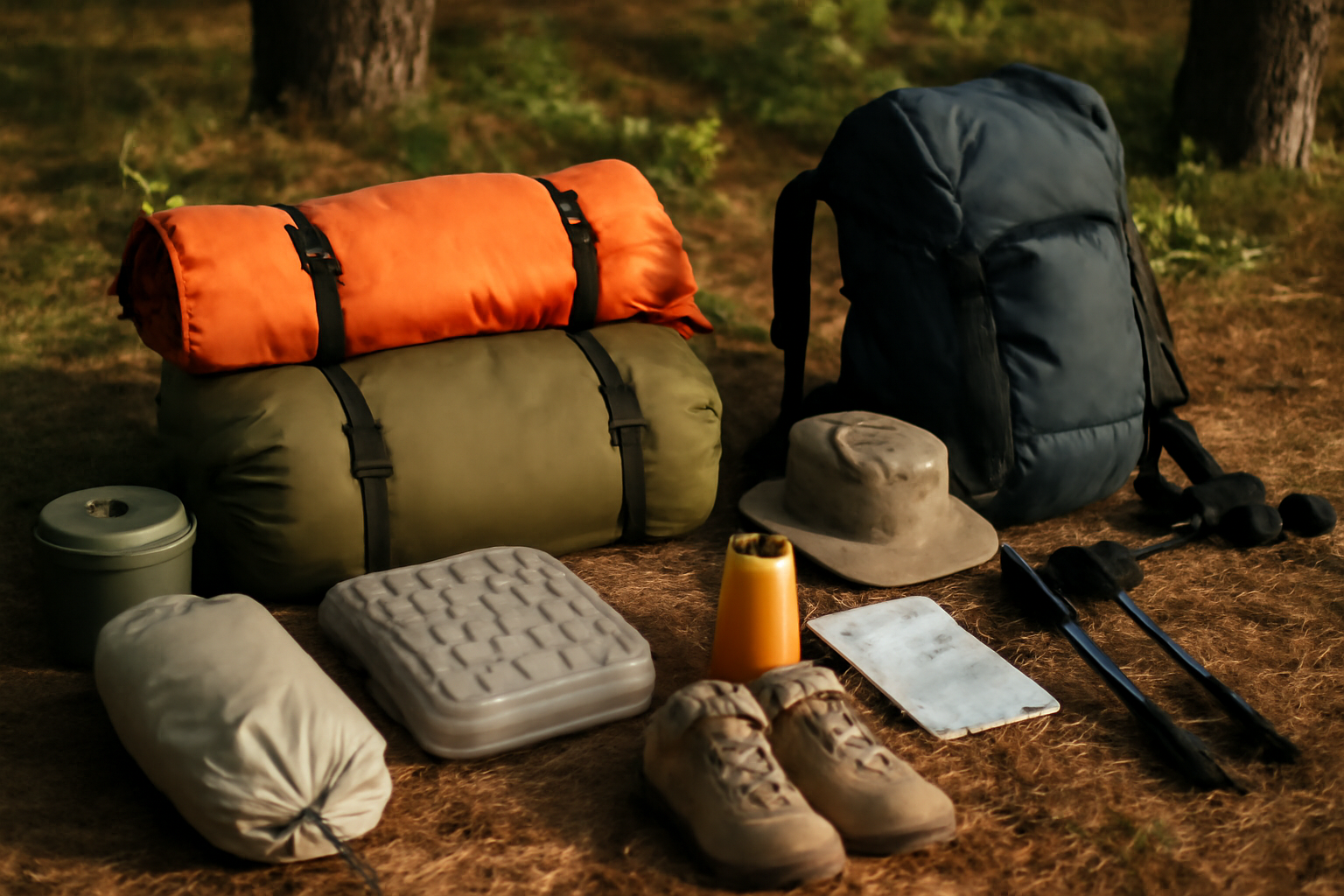
When venturing into the great outdoors, choosing the right equipment is crucial for a successful adventure. Camping gear and hiking gear serve different purposes and cater to distinct activities, but both are essential for outdoor enthusiasts. It's important to know the specific needs of each type of gear to ensure you have a comfortable and enjoyable experience.
This comparison will break down the key differences between camping gear and hiking gear, helping you determine what you need for your next outdoor excursion. Whether you're setting up camp in a serene forest or hitting the trails for a day hike, understanding these distinctions will guide your choices.
Table of Contents
Defining Camping Gear
Camping gear is specifically designed for extended stays in a campsite setting. It typically includes items that provide comfort, convenience, and functionality while you're away from home. Common camping gear includes tents, sleeping bags, cooking equipment, and furniture like chairs and tables. Your Ultimate Guide to Camping and Hiking Equipment.
Key Features of Camping Gear
- Comfort: Camping gear prioritizes comfort, often featuring padded sleeping options and cooking setups.
- Storage: Many camping items are designed to be spacious, allowing for bulkier equipment.
- Durability: Camping gear is built to withstand various weather conditions, ensuring safety and reliability.
Defining Hiking Gear
Hiking gear, on the other hand, is tailored for mobility and efficiency on the trails. This type of gear is lightweight and designed to support a range of activities, from short day hikes to long-distance trekking. Essential items include backpacks, trekking poles, water bottles, and appropriate clothing. camping equipment mistakes.
Key Features of Hiking Gear
- Lightweight: Hiking gear is designed to be as light as possible for ease of carrying.
- Compact: Items are often foldable or packable to save space in your backpack.
- Versatile: Many hiking items can be used in various outdoor situations, not just hiking.
Comparison Table: Camping Gear vs Hiking Gear
| Feature | Camping Gear | Hiking Gear |
|---|---|---|
| Weight | Heavier, designed for stability | Lightweight, for easy transport |
| Storage Capacity | Large, accommodates more equipment | Compact, designed to fit in a backpack |
| Comfort Features | Padded sleeping options, cooking setups | Minimal, focuses on mobility |
| Weather Resistance | High durability for various conditions | Generally weather-resistant, but less robust |
| Use Case | Extended stays at a campsite | Day hikes or multi-day treks |
Weight
The weight of camping gear is often a critical factor, especially for those who prioritize stability and comfort over portability. Items like tents, coolers, and larger cooking equipment typically weigh more due to their robust construction and additional features. For example, a standard camping tent can weigh anywhere from 5 to 10 pounds, while a camping stove may weigh 3 to 5 pounds. When planning your camping trip, consider the weight of each item and how it will impact your ability to transport it, especially if you need to hike to your campsite.
Storage Capacity
Camping gear is designed to accommodate a wide array of equipment, making it ideal for extended trips where you may need multiple items. For instance, a camping backpack can have a capacity of 50 to 100 liters, allowing for sleeping bags, cooking gear, food supplies, and more. In contrast, hiking gear focuses on compactness, with backpacks typically ranging from 20 to 50 liters. This means that while hiking gear is easier to carry, it often requires you to be more selective about what you bring along. A good checklist for packing your hiking gear includes essentials like water bottles, snacks, first aid kits, and weather-appropriate clothing.
Comfort Features
Camping gear often includes various comfort features to enhance your outdoor experience. For example, sleeping pads and inflatable mattresses provide cushioning, while portable chairs and tables create a more comfortable dining or relaxation area. Cooking setups might include larger stoves with multiple burners and ample prep space. On the other hand, hiking gear prioritizes mobility, with items like lightweight tents and sleeping bags that are easy to pack but may lack the same level of comfort. When choosing your gear, think about how much comfort you want versus how much weight you are willing to carry.
Weather Resistance
When it comes to weather resistance, camping gear is often built to withstand various environmental conditions. High-quality tents are typically made from durable, waterproof materials that can handle rain and wind. For example, a good camping tent will have a waterproof rating of at least 3000 mm, meaning it can resist heavy rain. In contrast, while hiking gear is generally weather-resistant, it may not provide the same level of protection. Lightweight jackets and pants can repel water but might not be fully waterproof. Always check the specifications of your gear to ensure it meets your needs based on the weather conditions you expect during your trip.
Use Case
The intended use of your gear significantly influences your choices. Camping gear is tailored for extended stays at a campsite, allowing for a more relaxed setup where comfort and convenience are prioritized. For instance, you might set up a spacious tent, a full cooking setup, and a comfortable sleeping arrangement for a weekend getaway. Conversely, hiking gear is meant for mobility and should be selected based on the length of your hike. For day hikes, you might only need a small backpack with essentials, while multi-day treks require a more comprehensive approach to gear selection. Consider your itinerary and how each piece of gear will serve you throughout your adventure.
Which Option Fits You?
Choosing between camping gear and hiking gear depends on your planned outdoor activities. Here's a quick guide to help you decide:
- If you enjoy camping: Opt for camping gear. Look for items that enhance comfort and convenience, such as a high-quality tent and cooking accessories from Timberline Provisions.
- If you favor hiking: Choose hiking gear that prioritizes lightweight and compact options. Essential items might include a durable backpack and proper hiking footwear.
- If you do both: Consider a mix of both types of gear. For instance, you might need a lightweight tent for backpacking trips or a multi-use backpack that serves both camping and day hikes.
Common Misconceptions
Many outdoor enthusiasts may confuse camping gear with hiking gear or vice versa. Here are a few common misconceptions:
- All gear is interchangeable: While some items can be used for both activities, each type of gear is optimized for its specific purpose.
- Camping gear is always bulky: There are lightweight camping options available that are easier to transport.
- Hiking gear lacks comfort: Many modern hiking essentials now include comfort features like cushioned straps and moisture-wicking fabrics.
Gear for Outdoor Exploration
For a successful outdoor adventure, having the right gear is crucial. Depending on your activity, consider the following:
- Backpacking gear recommendations: Look for lightweight tents and compact sleeping bags that are easy to carry. When selecting a tent, consider the weather conditions you might encounter. A three-season tent is versatile for spring, summer, and fall, while a four-season tent is better suited for harsher winter conditions. Additionally, choose a sleeping bag rated for the temperatures you expect, and consider a sleeping pad for added comfort and insulation. Checklists for backpacking gear can include:
- Lightweight tent (with stakes and guylines)
- Compact sleeping bag (appropriate temperature rating)
- Sleeping pad (for comfort and insulation)
- Backpack (with sufficient capacity for your trip length)
- Cooking gear (portable stove, fuel, cookware)
- Food and snacks (quick energy sources)
- First aid kit (including any personal medications)
- Multi-tool or knife (for various tasks)
- Fishing accessories: If you're camping near water, lightweight fishing gear can enhance your experience. A good fishing rod and reel combo that is portable will make it easier to travel. Don't forget to pack tackle boxes with essential lures, hooks, and weights. A fishing net can also be beneficial for landing fish easily. Additionally, consider these common mistakes to avoid:
- Not checking local fishing regulations (to ensure compliance with size and catch limits)
- Forgetting to bring a fishing license (if required in your area)
- Neglecting to pack sunscreen and insect repellent (to protect yourself while fishing)
- Hiking essentials: Always include a sturdy pair of hiking boots, hydration systems, and navigation tools in your pack. When choosing hiking boots, look for those with good ankle support and a durable sole for traction. Hydration systems can include water bottles or hydration bladders that fit in your backpack. Don't overlook the importance of navigation tools; a map and compass or a GPS device can be crucial in unfamiliar terrain. A checklist for hiking essentials could include:
- Sturdy hiking boots (well broken-in to avoid blisters)
- Hydration system (water bottles or hydration pack)
- Navigation tools (map, compass, or GPS)
- Weather-appropriate clothing (layers, moisture-wicking fabric)
- Snacks (high-energy, lightweight options)
- Headlamp or flashlight (with extra batteries)
- Emergency whistle (for signaling)
- Personal identification and emergency contacts (in case of emergencies)
By carefully selecting and packing the right gear for your outdoor adventures, you can ensure a more enjoyable and safe experience, regardless of whether you're backpacking, fishing, or hiking. Always remember to tailor your gear to the specific conditions and activities you plan to engage in, and don't hesitate to test out your gear before heading out on a longer trip.
Conclusion
Understanding the differences between camping gear and hiking gear is essential for making informed decisions when preparing for your next outdoor adventure. Assess your needs based on the type of activities you plan to enjoy. Whether you're setting up camp or exploring trails, choosing the right gear from Timberline Provisions will enhance your experience. Equip yourself accordingly and embrace the great outdoors!
Key Takeaways
- Purpose Matters: Camping gear is designed for comfort and convenience at a stationary campsite, while hiking gear focuses on portability and efficiency for moving through various terrains.
- Weight Considerations: When hiking, every ounce counts. Ensure your hiking gear is lightweight and compact, whereas camping gear can be bulkier since you won't be carrying it for long distances.
- Weather Preparedness: Both types of gear should be suitable for the weather conditions you expect. Always check the forecast and prepare accordingly with appropriate clothing and equipment.
Checklist for Your Next Adventure
To ensure you have everything you need for both camping and hiking, consider the following checklist:
-
Camping Gear:
- Tent (with stakes and guylines)
- Sleeping bag (suitable for the season)
- Sleeping pad or air mattress
- Camp stove or portable grill
- Cooler for food storage
- Cookware and utensils
- Camping chairs or portable seating
- Lantern or flashlight
- First aid kit
-
Hiking Gear:
- Backpack (appropriate size for your hike)
- Hydration system or water bottles
- Navigation tools (map, compass, or GPS)
- Comfortable hiking boots or shoes
- Weather-appropriate clothing (layers, rain gear)
- Snacks or energy bars
- Sunscreen and insect repellent
- Emergency whistle
- Multi-tool or knife
Avoiding Common Mistakes
It's easy to make mistakes when packing for outdoor adventures. Here are some common pitfalls to avoid:
- Overpacking: Many adventurers tend to pack too much. Focus on the essentials and prioritize multi-use items.
- Ignoring Weight Distribution: For hiking, ensure your backpack is packed with heavier items close to your back and lighter items towards the outside to maintain balance.
- Neglecting Maintenance: Before your trip, check your gear for any damage, wear, or missing components. A faulty tent or broken stove can ruin your experience.
- Forgetting to Plan for the Weather: Always check weather forecasts and pack accordingly. Be prepared for sudden changes in weather conditions.
By understanding the distinctions between camping gear and hiking gear, you can make informed choices that enhance your outdoor experiences. Timberline Provisions is here to ensure you have the best equipment for both activities, allowing you to immerse yourself fully in nature and create unforgettable memories. Happy adventuring!