
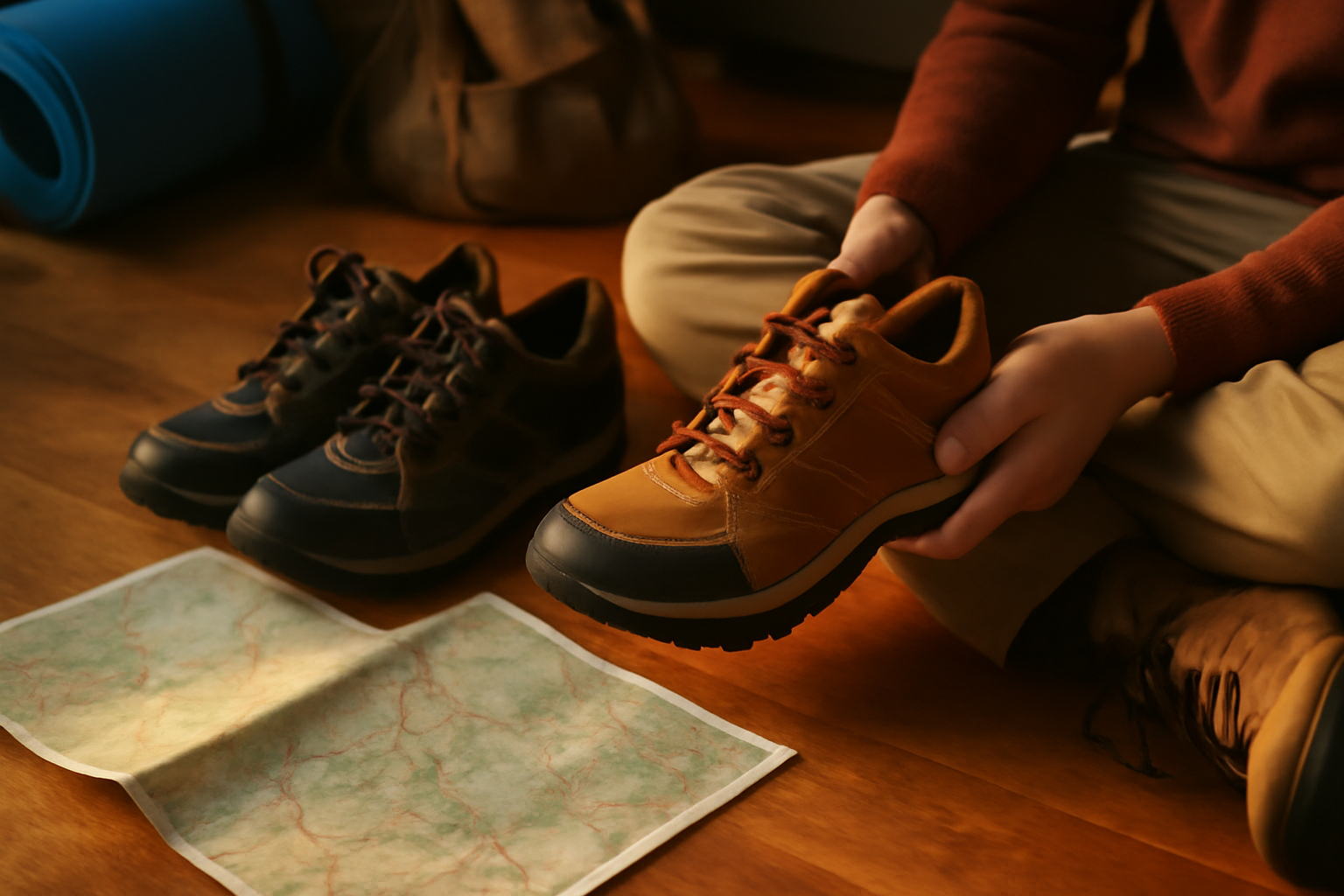
Choosing the right hiking shoes can make all the difference in your outdoor experience. Whether you're planning a short day hike or embarking on a multi-day trek, the right footwear will provide comfort, support, and protection. This guide will help you understand what to consider when selecting hiking shoes that suit your needs.
From determining your foot type to considering the terrain you'll encounter, there are several factors to weigh before making a decision. With the right knowledge, you can confidently choose hiking shoes that enhance your outdoor adventures.
Table of Contents
Who This Guide Is For
This guide is designed for anyone who loves outdoor adventures, from casual hikers to seasoned trekkers. If you're planning your first excursion or looking to upgrade your current footwear, this information will help you make an informed choice. It's also perfect for gift-givers seeking the ideal hiking shoes for family members or friends who enjoy exploring the great outdoors. Your Ultimate Guide to Camping and Hiking Equipment.
Whether you're a weekend warrior hitting the local trails or an avid backpacker embarking on multi-day treks, understanding the nuances of hiking footwear is crucial. This guide caters to a wide range of experience levels, ensuring that everyone can find the right pair of shoes for their specific needs. adventure gear choices.
For first-time buyers, we will break down essential features and considerations to help you navigate the overwhelming choices available. If you're more experienced, you might appreciate insights into advanced technologies or specific brands that excel in durability and performance. Furthermore, if you're shopping for someone else, we'll provide tips on how to assess their needs and preferences, ensuring your gift is both thoughtful and practical.
Casual Hikers
If you enjoy leisurely walks on well-maintained trails, you may not need the most rugged footwear. Casual hikers should look for shoes that are comfortable, lightweight, and breathable. Features to consider include:
- Comfort and Fit: Ensure that the shoe fits well with enough room in the toe box. A snug fit around the heel is essential to prevent blisters.
- Weight: Lighter shoes will reduce fatigue on shorter hikes.
- Traction: Look for a rubber outsole with good tread patterns to provide grip on various surfaces.
Seasoned Trekkers
For those who tackle more challenging trails, investing in high-performance hiking shoes is key. Consider the following attributes:
- Support: Look for shoes with good ankle support, especially for rocky terrain.
- Water Resistance: Waterproof materials can keep your feet dry in wet conditions, enhancing comfort on longer hikes.
- Durability: Choose shoes made from tough materials that can withstand rough conditions over time.
Gift-Givers
If you're shopping for someone else, take note of their hiking style and preferences. Here are some tips to help you choose the right pair:
- Ask Questions: Inquire about their favorite trails, typical hiking conditions, and any specific issues they've faced with previous footwear.
- Know Their Size: Make sure you know the recipient's shoe size and any brand preferences they may have.
- Consider Their Experience Level: A beginner may prefer lighter, more forgiving shoes, while an experienced hiker might need something more robust.
By understanding the needs of casual hikers, seasoned trekkers, and those you're buying for, this guide aims to provide tailored insights that will enhance your outdoor experiences. Whether you're gearing up for a day hike or planning a week-long adventure, the right footwear is essential for comfort and performance on the trails.
Key Factors to Consider When Buying Hiking Shoes
1. Fit and Comfort
First and foremost, the fit of your hiking shoes is critical. Shoes that are too tight can cause blisters, while overly loose shoes can lead to instability. When trying on hiking shoes, make sure to wear the socks you plan to use on your hikes. Walk around the store and check for any pressure points.
2. Terrain Type
Consider the terrain you'll be hiking on. If you plan to hike on rocky or uneven surfaces, look for shoes with a sturdy sole and good traction. For softer, trail-like conditions, lighter shoes with more flexibility may be suitable. Different terrains require different shoe features, so assess your hiking environment before making a choice.
3. Waterproofing
Weather conditions can change quickly in the outdoors, so it's essential to consider waterproofing. Shoes with waterproof membranes can keep your feet dry during unexpected rain or when walking through wet grass. However, if you typically hike in warm, dry climates, breathable shoes may be more comfortable.
4. Weight of the Shoes
Hiking shoes come in various weights, and the choice largely depends on the length and intensity of your hikes. Lightweight shoes are great for day hikes and speed, while heavier shoes provide more support and protection for longer treks. Think about your comfort and how much weight you want to carry on your feet.
5. Cushioning and Support
Proper cushioning is vital for absorbing shock and providing comfort on long hikes. Look for shoes with adequate padding, especially if you have a history of foot pain. Additionally, consider the arch support; those with high arches may need more support than those with flat feet.
6. Durability
Hiking shoes should withstand rough conditions and last for many adventures. Check the quality of the materials used and the construction of the shoes. High-quality leather and synthetic materials often provide better durability compared to cheaper alternatives.
Common Pitfalls to Avoid
When buying hiking shoes, it's easy to overlook several important factors. Here are a few pitfalls to avoid:
- Ignoring Break-in Time: Always allow time to break in new shoes before a major hike to prevent discomfort.
- Choosing Style Over Function: While style is important, prioritize the features that will keep you comfortable and safe on the trail.
- Buying Without Trying: Always try shoes on and walk around in them before making a purchase to ensure the best fit.
Decision Checklist for Hiking Shoes
Use this checklist to make your decision easier:
- Determine your foot type and size.
- Identify the terrain you'll be hiking on.
- Consider waterproofing needs based on weather conditions.
- Evaluate the weight and how it affects your hiking style.
- Assess the cushioning and arch support provided.
- Check for durability and quality of materials.
1. Determine Your Foot Type and Size
Understanding your foot type is vital for finding the right hiking shoes. There are three primary foot types: neutral, flat (pronated), and high-arched (supinated). To identify your foot type, you can perform the wet test by wetting your foot and stepping on a piece of paper. The shape of the footprint will indicate your arch type. Once you know your foot type, measure your foot size accurately. Remember to try on shoes in the afternoon when your feet are slightly swollen for a better fit.
2. Identify the Terrain You'll Be Hiking On
The terrain you plan to hike on will significantly influence your choice of hiking shoes. For rocky, uneven trails, consider shoes with stiffer soles and more aggressive tread patterns for better grip. If you're hiking on flat, well-maintained paths, lightweight shoes may suffice. For muddy or wet conditions, look for shoes with deeper lugs for traction. Make a list of the types of terrain you expect to encounter and choose shoes that cater to those specific needs.
3. Consider Waterproofing Needs Based on Weather Conditions
Weather can change rapidly when you're outdoors, so think about waterproofing. If you expect to hike in rainy or snowy conditions, opt for shoes made with waterproof materials like Gore-Tex. However, if you're hiking in hot, dry climates, breathable shoes may be more appropriate to prevent overheating. Assess your local climate and seasonal conditions to determine the level of waterproofing necessary for your hiking adventures.
4. Evaluate the Weight and How It Affects Your Hiking Style
The weight of your hiking shoes can impact your overall hiking experience. Lighter shoes offer more speed and agility, making them ideal for fast-paced hikes or backpacking trips. However, heavier shoes often provide more support and durability, which can be beneficial for long treks or challenging terrains. Test different weights by trying on various pairs and walking around the store to assess how they feel. Remember, a comfortable shoe can enhance your performance and reduce fatigue.
5. Assess the Cushioning and Arch Support Provided
Cushioning and arch support are crucial for comfort during long hikes. Look for shoes with adequate padding in the midsole and footbed to absorb impact and reduce strain on your feet. If you have specific arch support needs, consider shoes that offer removable insoles, allowing you to insert custom orthotics if necessary. Take the time to walk around in the shoes to ensure they provide the right amount of support and cushioning for your foot type.
6. Check for Durability and Quality of Materials
Durability is a key factor in the longevity of your hiking shoes. Examine the materials used in the construction of the shoes. Leather uppers are often more durable than synthetic materials but may require more maintenance. Pay close attention to the stitching and construction quality, as these can indicate how well the shoes will hold up over time. Research reviews and user experiences to gauge the durability of specific models before making your purchase.
Common Mistakes to Avoid
- Choosing the Wrong Size: Always try on shoes with the socks you plan to wear while hiking. Sizes can vary between brands, so don't rely solely on your usual size.
- Ignoring Break-In Period: New hiking shoes often require a break-in period. Wear them on shorter hikes before embarking on longer treks to avoid blisters.
- Overlooking Ankle Support: If you have a history of ankle injuries or plan to hike on rough terrain, consider shoes that offer additional ankle support.
- Focusing Solely on Style: While it's nice to have stylish shoes, prioritize functionality and comfort over aesthetics when choosing hiking footwear.
By using this checklist and considering these factors, you'll be well on your way to selecting the perfect hiking shoes that will support your adventures in the great outdoors!
Quick Picks by Scenario
1. Beginner Hikers
Look for lightweight shoes with good cushioning and flexibility for comfort on easy trails.
2. Intermediate Hikers
Consider shoes with moderate support and waterproof features for versatility across different terrains.
3. Advanced Hikers
Choose durable, high-support boots that can handle rugged trails and offer protection for long distances.
4. Budget-Conscious Shoppers
Focus on quality over brand names. Affordable options with essential features are available without sacrificing comfort.
5. Premium Seeker
Look for high-end materials, advanced technology, and superior support for serious hiking enthusiasts.
Conclusion
Choosing the right hiking shoes is vital for a comfortable and enjoyable outdoor experience. Take the time to evaluate your needs and preferences, and use the criteria provided in this guide to make an informed decision. By selecting the appropriate footwear, you'll be better prepared to tackle any trail. For additional insights, consider exploring our outdoor gear collection or checking out Timberline Provisions gear for more hiking essentials.
Final Checklist for Selecting Hiking Shoes
- Fit: Ensure there's about a thumb's width of space between your longest toe and the front of the shoe. Walk around in the shoes to check for any discomfort.
- Weight: Consider how much weight you're comfortable carrying. Lighter shoes are generally better for day hikes, while heavier boots may be necessary for longer treks.
- Terrain: Match the shoe type to the terrain you'll be hiking. Trail runners for smooth paths, lightweight boots for mixed trails, and heavy-duty boots for rugged conditions.
- Breathability: Check the materials used. Mesh panels can improve ventilation, which is crucial for hot weather hikes.
- Waterproofing: Decide if you need waterproof shoes based on your hiking environment. Consider shoes with Gore-Tex or other waterproof membranes for wet conditions.
- Traction: Look at the outsole for a good tread pattern that suits your hiking environment. Deeper lugs are beneficial for muddy or rocky trails.
- Support: Assess the level of ankle support you need based on your hiking style and the weight of your pack.
- Durability: Consider the materials and construction of the shoe. Higher-quality materials can withstand more wear and tear.
Common Mistakes to Avoid
- Ignoring the Break-In Period: New hiking shoes often require a break-in period. Wearing them on short walks before your hike can prevent blisters and discomfort.
- Choosing Style Over Function: While aesthetics are important, prioritize comfort and functionality over looks. A stylish shoe that doesn't fit well can ruin your hike.
- Not Considering Socks: The type of socks you wear can significantly affect your comfort. Invest in moisture-wicking, cushioned socks that complement your shoes.
- Overlooking Weight: Heavier shoes can lead to fatigue on long hikes. Balance the need for protection with the desire for lightweight options.
- Neglecting Personal Needs: Everyone's feet are different. What works for one person may not work for you. Pay attention to your unique foot shape and needs.
Next Steps
After considering all the factors and making your selection, it's time to hit the trails! Remember to keep an eye on how your shoes perform during your hikes. If you notice any discomfort or issues, don't hesitate to make adjustments or consider a different pair. The right hiking shoes can make all the difference in your outdoor adventures, enhancing both your comfort and performance.