
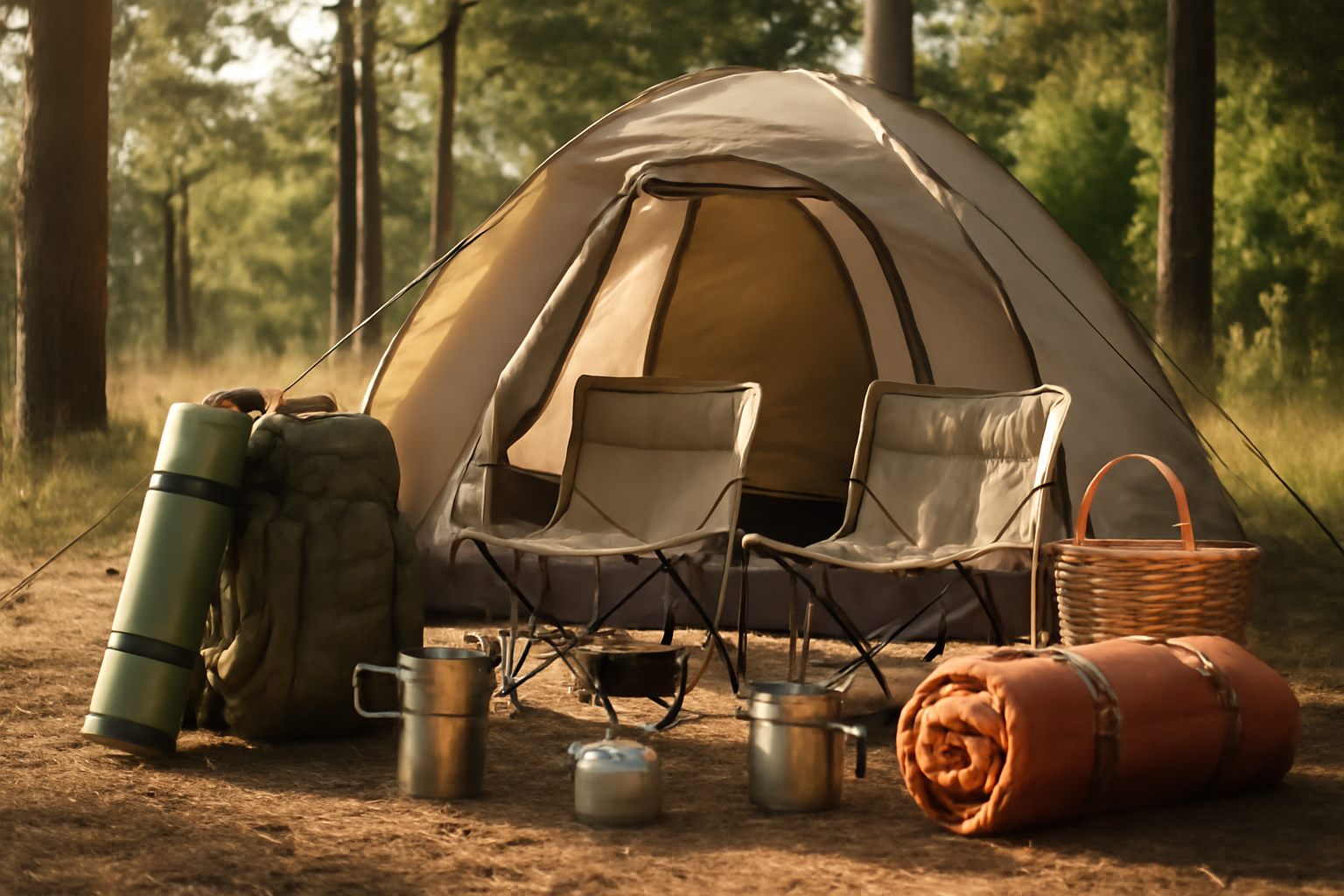
Planning a family camping trip can be both exciting and overwhelming. With so many options for camping equipment available, it's essential to focus on what will make your outing enjoyable and stress-free. Whether you're a seasoned camper or trying it for the first time, having the right gear can significantly enhance your experience.
If you're looking for practical guidance on what camping equipment to pack for your family's outdoor adventure, you're in the right place. In this post, we'll break down the essential gear necessary for a successful family camping outing, ensuring everyone has a great time in the great outdoors.
Table of Contents
If This Is You...
You're a family of four excited to explore nature but unsure of what camping equipment you really need. You have a weekend planned at a nearby campground and want to ensure you're fully prepared without overpacking. This guide will help you identify the must-have items for a comfortable and enjoyable camping experience. Your Ultimate Guide to Camping and Hiking Equipment.
Essential Camping Gear
Before heading out, it's crucial to gather the essential camping gear that will make your trip comfortable and enjoyable. Here's a checklist to help you get started: camping gear malfunctions.
- Tent: Choose a tent that comfortably fits your family. Look for one with a waterproof fly and good ventilation.
- Sleeping Bags: Opt for sleeping bags rated for the season. Consider adding sleeping pads for extra comfort and insulation.
- Camping Chairs: Lightweight and portable chairs are great for sitting around the campfire or relaxing during the day.
- Cooking Equipment: A portable stove, cooking pots, and utensils are essential. Don't forget a cooler for perishable items!
- First Aid Kit: A well-stocked first aid kit is a must. Include band-aids, antiseptic wipes, pain relievers, and any personal medications.
Food and Water Supplies
Planning your meals ahead of time can save you from unnecessary stress while camping. Here are some tips for food and water supplies:
- Meal Planning: Create a simple meal plan for your trip. Include easy-to-cook meals like hot dogs, sandwiches, and pasta. Consider packing snacks like trail mix, fruits, and granola bars.
- Water: Bring enough water for drinking and cooking. A good rule of thumb is to have at least two gallons per person per day.
- Cooking Supplies: Don't forget the necessary cooking supplies like a spatula, can opener, and biodegradable soap for cleaning up.
Clothing and Personal Items
Dress appropriately for the weather and terrain. Here's a checklist of clothing and personal items to pack:
- Layered Clothing: Pack moisture-wicking base layers, insulating mid-layers, and waterproof outer layers. This allows for flexibility with changing weather conditions.
- Footwear: Sturdy hiking boots or shoes are essential for exploring trails. Bring sandals or camp shoes for relaxing at the campsite.
- Personal Items: Don't forget toiletries, sunscreen, insect repellent, and any necessary personal items like glasses or contact lenses.
Safety and Comfort Items
Ensuring safety and comfort during your camping trip is paramount. Here are some items you should consider bringing:
- Flashlights and Lanterns: Bring a reliable flashlight or headlamp for navigating at night, along with lanterns to light up your campsite.
- Multi-tool or Knife: A multi-tool can come in handy for various tasks, from food prep to repairs.
- Firestarter: Pack waterproof matches or a lighter, and consider bringing firestarter sticks to make starting a campfire easier.
Common Mistakes to Avoid
To ensure a smooth camping experience, be aware of these common mistakes:
- Overpacking: It's easy to bring too much gear. Stick to the essentials and prioritize items that serve multiple purposes.
- Ignoring Weather Conditions: Always check the weather forecast before your trip and pack accordingly. Be prepared for unexpected changes.
- Forgetting to Plan Activities: Have a few fun activities planned to keep everyone engaged. Consider hiking, fishing, or games to enjoy together.
By following this guide, you'll be well on your way to having a fantastic family camping experience. Enjoy the great outdoors and make lasting memories with your loved ones!
Step-by-Step Plan for Packing Your Camping Equipment
1. Choose Your Campsite
Before you start gathering supplies, know where you're heading. Research the campsite to understand its amenities, rules, and any restrictions. Some campsites have fire pits, picnic tables, or even restrooms, which may influence what equipment you'll need to bring.
2. Sleeping Arrangements
One of the most critical aspects of camping is ensuring everyone has a comfortable place to sleep. Consider the following:
- Tents: Choose a tent that fits your family size. A good rule of thumb is to buy a tent that accommodates at least one more person than you have.
- Sleeping Bags: Invest in quality sleeping bags suitable for the season. Look for bags that provide warmth without being too bulky.
- Sleeping Pads: These add a layer of comfort and insulation against the cold ground, making your night's sleep much more pleasant.
3. Cooking and Eating Gear
Food is a big part of the camping experience, and having the right cooking gear is essential:
- Camp Stove or Grill: A portable camp stove is great for cooking meals quickly and efficiently. If your site has a fire pit, consider bringing a grill grate.
- Cookware: Pack pots, pans, and utensils. Lightweight options made of aluminum or titanium are great for camping.
- Cooler: A sturdy cooler will keep perishables fresh. Ensure it's large enough to hold your food and drinks for the duration of your trip.
4. Food and Snacks
Plan out meals ahead of time to avoid last-minute stress. Consider easy-to-cook options like:
- Pre-packaged Meals: Ready-to-eat meals can save time and effort.
- Snacks: Trail mix, granola bars, and fruit are great for energy while hiking.
- Hydration: Bring plenty of water or a filtering system if you plan to source it from natural bodies.
5. Safety and First Aid
Your family's safety is paramount. Pack a well-stocked first aid kit, including:
- Band-aids and antiseptic wipes
- Insect repellent and sunscreen
- Any necessary medications for family members
6. Outdoor Activities Gear
Enhance your family outing by including gear for various activities:
- Fishing Accessories: If you're camping near a lake or river, bring along rods, reels, and bait to enjoy some fishing.
- Hiking Essentials: A family hike can be a great bonding experience. Pack comfortable shoes, walking sticks, and a map of the area.
- Games and Entertainment: Bring along a frisbee, cards, or board games for downtime at the campsite.
Common Camping Gear Problems and Solutions
Even with the best planning, issues can arise. Here are some common camping gear problems and how to troubleshoot them:
- Leaking Tent: If your tent leaks, check for damaged seams or zippers. Waterproofing sprays can help, but ensure you pitch your tent properly to avoid water pooling.
- Cooking Equipment Failure: If your camp stove isn't igniting, check the fuel canister and connections. Always carry a backup lighter or matches.
- Insect Issues: If bugs are a problem, consider using a tent with a built-in mesh screen or bring insect repellent sprays.
Final Touches
Once you have all your camping equipment packed, don't forget to prepare for the unexpected. Bringing along tools like a multi-tool and rope can come in handy for various situations, from making quick repairs to setting up a shelter. It's also a good idea to have a detailed checklist to ensure you haven't forgotten anything critical. Here are some additional tips and tricks to finalize your camping preparations.
Essential Tools and Gear
When packing for your family camping trip, consider including the following essential tools and gear:
- Multi-tool: A versatile tool can serve multiple purposes, such as cutting, screwing, and opening bottles. Look for one with a sturdy design and multiple functions.
- Rope or Paracord: Useful for securing tents, hanging food away from animals, or creating makeshift clotheslines. A length of at least 50 feet is recommended.
- First Aid Kit: Always have a well-stocked first aid kit on hand. Include items like band-aids, antiseptic wipes, pain relievers, and any personal medications.
- Fire Starter: Whether it's waterproof matches, a lighter, or fire starter sticks, ensure you have a reliable way to start a fire.
- Flashlights and Headlamps: Don't forget extra batteries. These are essential for navigating your campsite after dark.
Creating a Comprehensive Checklist
A detailed checklist is essential for ensuring you have everything you need. Start by categorizing items into groups. Here's a sample checklist to help you get started:
-
Tent and Shelter:
- Tent
- Ground tarp
- Sleeping bags
- Sleeping pads or air mattresses
- Pillows
-
Cooking and Eating:
- Portable stove or grill
- Fuel for stove
- Cooking utensils (spatula, tongs, etc.)
- Eating utensils (forks, spoons, knives)
- Plates and bowls
- Cooler with ice packs
- Food and snacks
-
Clothing and Personal Items:
- Weather-appropriate clothing
- Hiking boots or shoes
- Rain gear
- Hats and sunglasses
- Toiletries (toothbrush, toothpaste, biodegradable soap)
-
Safety and Navigation:
- Map of the area
- Compass or GPS device
- Emergency whistle
- Bear spray (if in bear country)
Common Mistakes to Avoid
Even seasoned campers can overlook important details. Here are some common mistakes to avoid:
- Overpacking: While it's good to be prepared, overpacking can lead to unnecessary weight and clutter. Stick to essentials and prioritize multi-functional items.
- Not Testing Gear: Before your trip, test your camping gear at home. Set up your tent, check your cooking equipment, and ensure your sleeping bags are in good condition.
- Ignoring Weather Conditions: Always check the weather forecast for your camping location before you leave. Pack accordingly and be prepared for sudden changes in weather.
- Forgetting to Stay Hydrated: Bring plenty of water and a way to purify additional water sources. Dehydration can ruin your trip quickly.
Final Packing Tips
As you prepare to load your gear, consider these final packing tips:
- Pack by Weight: Place heavier items at the bottom of your backpack or vehicle for better balance and stability.
- Keep Essentials Accessible: Store frequently used items like snacks, water, and first aid kits in easily accessible pockets or compartments.
- Use Packing Cubes or Bags: Organize your gear with packing cubes or dry bags to keep everything tidy and easy to find.
With these final touches, you'll be well-prepared for your family camping adventure. Embrace the outdoors, create lasting memories, and enjoy all the beauty that nature has to offer!
Conclusion
With the right camping equipment, your family outing can be a memorable adventure filled with laughter and bonding. Start by carefully selecting your gear based on your campsite and planned activities. As you gather your supplies, remember that the goal is to enjoy nature together. Make your next family camping trip a success by preparing with the essentials from Timberline Provisions' outdoor gear collection.
Checklist for Successful Family Camping
To ensure you have everything you need for a fantastic family camping trip, consider the following checklist. This will help you stay organized and make sure that no essential items are left behind:
- Shelter: Tent, ground tarp, sleeping bags, sleeping pads, and pillows.
- Cooking Gear: Portable stove or grill, fuel, cooking pots, utensils, and a cooler for perishables.
- Food and Snacks: Plan easy-to-cook meals and pack plenty of snacks. Consider non-perishable items like granola bars and trail mix.
- Clothing: Weather-appropriate clothing, extra layers, rain gear, and comfortable hiking shoes.
- Safety Equipment: First aid kit, insect repellent, sunscreen, and a multi-tool or knife.
- Entertainment: Board games, cards, or outdoor games like frisbee or soccer to keep everyone engaged.
- Personal Items: Toiletries, towels, and any necessary medications.
- Navigation Tools: Maps, compass, or GPS device to help you explore the area safely.
Common Mistakes to Avoid
Even the most seasoned campers can overlook certain aspects of their trip. Here are some common mistakes to avoid to ensure a smooth outing:
- Underpacking: Always pack more than you think you'll need, especially when it comes to food and water.
- Ignoring Weather Forecasts: Check the weather ahead of time and pack accordingly. Be prepared for changes in conditions.
- Not Testing Gear: Before your trip, set up your tent and test your cooking gear at home to avoid surprises in the wild.
- Overlooking Safety: Familiarize yourself with basic first aid and safety protocols. Ensure everyone knows how to respond in case of an emergency.
- Leaving No Trace: Educate your family on Leave No Trace principles to protect the environment and ensure future generations can enjoy the outdoors.
Encouraging Family Bonding
Camping is not just about the gear; it's also about creating lasting memories with your family. Here are some activities to enhance bonding during your trip:
- Group Cooking: Involve everyone in meal preparation. Assign tasks based on age and abilities, making it a fun group effort.
- Nature Scavenger Hunt: Create a list of items to find in nature, such as specific leaves, rocks, or animal tracks. This encourages exploration and teamwork.
- Storytelling Around the Campfire: Share stories or ghost tales while roasting marshmallows, fostering connection and creativity.
- Stargazing: At night, take some time to lay back and watch the stars. Use a stargazing app to identify constellations together.
By taking the time to prepare and consider these practical tips, your family camping adventure can be not only enjoyable but also a great way to strengthen family ties. Timberline Provisions is here to provide you with all the outdoor gear you need to make your family outing a success. Embrace the great outdoors and create memories that will last a lifetime!