
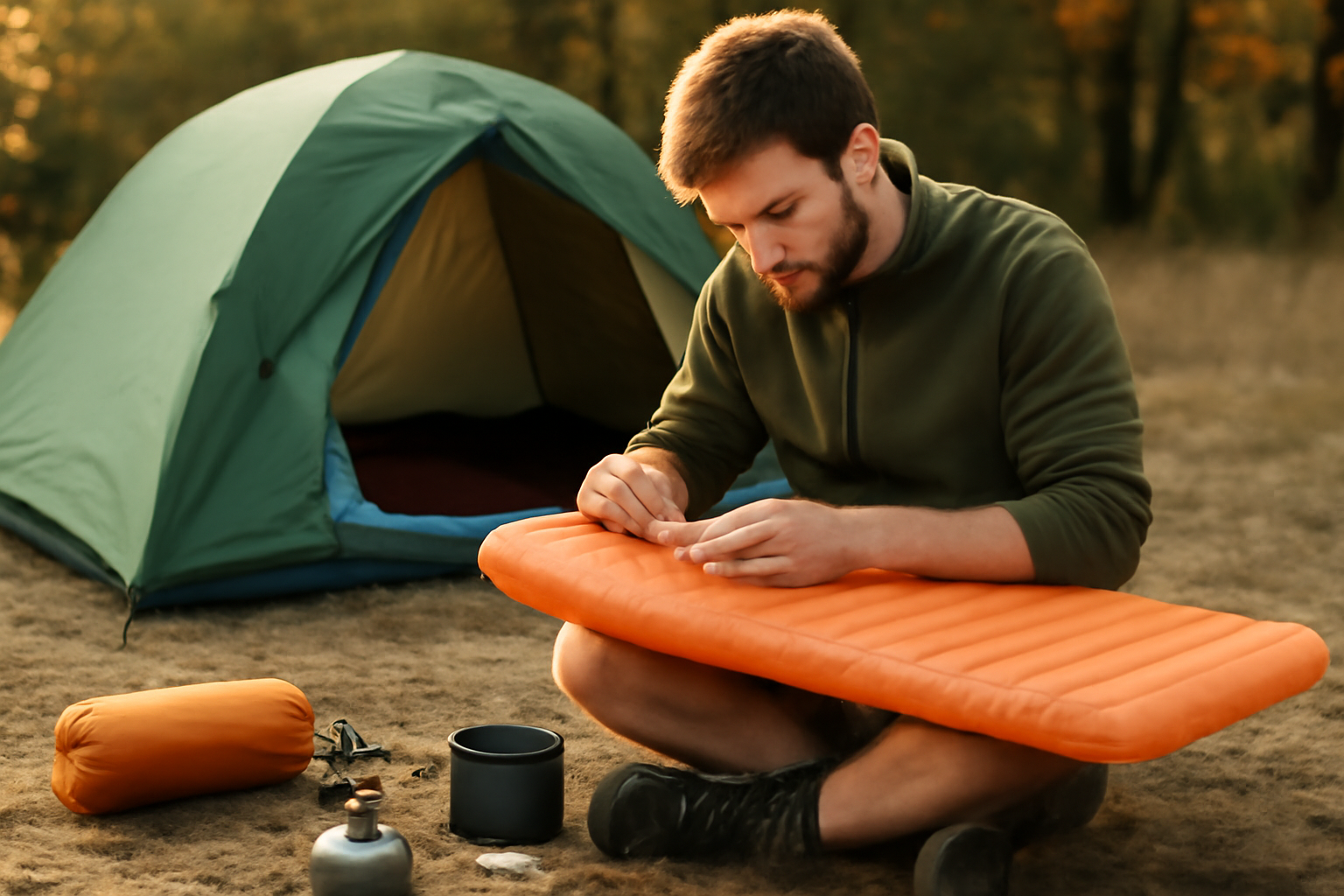
Camping is an exhilarating way to connect with nature, but nothing can dampen your spirits faster than gear troubles. Whether it's a leaking tent, a malfunctioning stove, or worn-out sleeping bags, these issues can turn your outdoor adventure into a frustrating experience.
In this guide, we'll explore the most common problems faced by campers, their root causes, and practical solutions to ensure your next trip goes off without a hitch. With the right knowledge, you can tackle these issues head-on and enjoy your time outdoors.
Table of Contents
Understanding Common Camping Gear Issues
Before we dive into solutions, let's identify some common camping gear problems you might encounter: Your Ultimate Guide to Camping and Hiking Equipment.
1. Leaking Tents
Water seeping into your tent can ruin your camping experience. This often happens due to worn-out waterproofing or faulty seams. hiking challenges and solutions.
2. Malfunctioning Cooking Equipment
Stoves and fuel canisters sometimes fail, which can leave you without a way to cook meals. This issue often stems from poor maintenance or using incompatible fuel types.
3. Worn-out Sleeping Bags
Sleeping bags that no longer retain heat can lead to uncomfortable nights. This can occur from frequent use or improper storage.
4. Broken Backpacks
Straps or zippers on backpacks can break, causing inconvenience while hiking. This often results from overloading or wear and tear.
Quick Diagnosis
When you notice a problem with your camping gear, a quick diagnosis can help you assess the situation. Here's how:
1. Inspect for Visible Damage
Look for tears, holes, or worn areas on your gear. This is crucial for identifying leaks or structural issues. Pay special attention to seams, zippers, and any high-stress areas that are prone to wear. If you find any damage, take a moment to consider the location and severity. For example, a small tear in a tent fly may be easily repairable with a patch kit, while a gaping hole in the floor might require more extensive repairs or replacement.
- Use a flashlight to inspect dark areas where damage may be hidden.
- Check for frayed straps or broken buckles on backpacks and tents.
- For inflatable gear, look for punctures or leaks by inflating it and checking for hissing sounds.
2. Check Functionality
Test all equipment before your trip. Ensure your stove ignites, your tent zips properly, and your sleeping bag is warm. Functional checks can save you from major inconveniences during your adventure. Here's a quick checklist:
- Stove: Test the ignition and ensure the fuel canister is full. Check for proper flame adjustment and stability on different surfaces.
- Tent: Set it up in your backyard or living room to ensure all poles and parts are present and functioning. Check for proper zipping and opening.
- Sleeping Bag: Test for warmth by spending a night in it at home. Ensure the zipper works smoothly and there are no cold spots.
Make sure to also check any additional gear like headlamps, GPS devices, or cooking utensils for proper operation. A functional gear checklist can help you stay organized and prepared.
3. Assess Your Gear's Age
Consider how long you've had your gear. Older equipment may need repairs or replacement, especially if it shows signs of extensive wear. Look at the manufacturer's recommendations for lifespan. For instance, sleeping bags generally last about 5-10 years, while tents can last longer with proper care. Here are some tips for assessing age:
- Check for any warranty information; many brands offer guarantees that can help with repairs or replacements.
- Look for signs of degradation, such as fading colors or brittle materials that may indicate it's time to invest in new gear.
- Consider how often you use the gear. Frequent use can accelerate wear and tear, prompting earlier replacement.
By keeping track of your gear's age and condition, you can make informed decisions about repairs versus replacements, ensuring you always have reliable equipment for your outdoor adventures.
Fix It Fast
Now that you've diagnosed the issues, here are some quick fixes to get your camping gear back in shape:
1. Repairing Leaking Tents
Use a tent repair kit to patch holes and seams. Apply a waterproof sealant to the outer fabric, and ensure your tent is dry before storing it.
2. Troubleshooting Cooking Equipment
If your stove isn't working, check the fuel level and connections. Clean any clogged burners and ensure you're using the correct type of fuel. Always bring backup cooking options, like portable grills or camping pots.
3. Reviving Sleeping Bags
To restore insulation, air out your sleeping bag and wash it according to the manufacturer's instructions. Store it loosely to maintain loft.
4. Backpack Repairs
For broken straps, sewing them back on or using strong adhesive can provide quick fixes. If zippers are stuck, try lubricating them with a bar of soap or a zipper lubricant.
Preventative Measures
Preventing issues before they arise is the best strategy for maintaining your gear. Here are some tips:
1. Regular Maintenance
Inspect and clean your gear after each trip. This not only prolongs the life of your equipment but also ensures it's ready for your next adventure. Here are some practical steps:
- Cleaning: Use mild soap and water to clean tents, sleeping bags, and cooking equipment. Avoid harsh chemicals that can damage materials.
- Drying: Always dry your gear thoroughly before storing it. For tents, set them up in a well-ventilated area to prevent mildew.
- Inspection: Check for any signs of wear and tear, such as frayed straps or holes in the fabric. Make repairs immediately to prevent further damage.
Store your camping equipment in a cool, dry place to prevent moisture damage. Consider using breathable storage bags for items like sleeping bags and tents to allow air circulation.
2. Invest in Quality Gear
Consider investing in high-quality camping gear that can withstand the elements. Brands like Timberline Provisions offer durable options for every adventurer. Here are some factors to consider when choosing quality gear:
- Material: Look for gear made from high-quality materials, such as ripstop nylon for tents or stainless steel for cookware, which offer better durability.
- Warranty: Choose products that come with a warranty. This not only indicates the manufacturer's confidence in their product but also provides peace of mind.
- Reviews: Research customer reviews to gauge the performance of the gear in real-world conditions. Look for feedback on durability and ease of use.
By investing in quality gear, you reduce the likelihood of issues arising during your adventures.
3. Educate Yourself
Familiarize yourself with your gear. Read manuals and guides to understand how to properly care for and use your camping equipment. Here are some specific actions you can take:
- Read the Manual: Take the time to read the user manual for each piece of equipment. This will provide insights on proper setup, maintenance, and troubleshooting.
- Watch Tutorials: Look for online tutorials or videos that demonstrate the use and care of your gear. Visual aids can often clarify complex instructions.
- Join Forums: Engage with online communities or forums where fellow campers share tips and tricks about gear maintenance and troubleshooting.
Understanding your gear will help you spot potential issues early and ensure that you are using it correctly, which can prevent many common problems.
When to Replace Your Gear
Knowing when to replace your gear is just as important as knowing how to fix it. Consider these factors:
1. Age and Condition
If your gear is significantly worn or damaged beyond repair, it's time to consider replacements. Regularly review the condition of your outdoor gear collection. Look for signs of wear and tear such as frayed straps, cracked frames, or worn-out zippers. Here's a quick checklist to help you assess your gear:
- Inspect for visible damage: Check for tears, holes, or significant scratches.
- Test functionality: Ensure zippers, buckles, and other mechanisms work smoothly and securely.
- Check for rust or corrosion: Metal components should be free of rust, while fabric should not show signs of mold or mildew.
- Evaluate insulation: For sleeping bags and pads, check if they still provide adequate warmth and support.
As a general rule, if your gear is over five years old and shows significant signs of wear, it may be time to start looking for replacements. However, some high-quality items can last much longer with proper care.
2. Performance Issues
If your gear consistently fails to perform as expected, it may not be worth keeping. Look for alternatives that can better meet your needs. Pay attention to performance indicators such as:
- Water resistance: If your tent or jacket no longer keeps you dry, it's time to replace it.
- Comfort levels: If your hiking boots cause blisters or discomfort, consider investing in a new pair.
- Weight and packability: If your gear is too heavy or bulky for your adventures, modern lightweight options may be more suitable.
To make an informed decision, keep a log of your gear's performance on your trips. Note any issues that arise and how they impact your experience. This will help you identify patterns and determine if it's time for an upgrade.
3. Safety Concerns
Your safety should always come first. If any piece of equipment poses a risk, such as a faulty stove or a leaking tent, replace it immediately. Consider these safety aspects:
- Check for recalls: Stay informed about any recalls on your gear, especially for items like stoves, filters, or harnesses.
- Evaluate structural integrity: For items such as climbing gear or tents, ensure that all components are intact and functioning correctly.
- Monitor performance under stress: If your gear fails during a critical moment, it's a clear sign that it should be replaced.
Before heading out on any adventure, conduct a thorough safety check of your gear. If you find any items that raise concerns, prioritize replacing them before your next trip. Remember, investing in reliable gear is essential for a safe outdoor experience.
Conclusion
Camping gear issues can be frustrating, but with the right knowledge and quick fixes, you can ensure a smoother experience on your next adventure. Regular maintenance and proper care will extend the life of your equipment, allowing you to focus on enjoying the great outdoors. So before you head out, take a few moments to inspect and prepare your gear, and you'll be ready for whatever nature throws your way!
To wrap up, let's summarize some key points and practical steps you can take to fix common camping gear issues effectively:
Key Takeaways
- Always perform a pre-trip gear check to identify any potential issues.
- Invest in quality repair kits for quick fixes on the go.
- Understand the specific care instructions for each type of gear you own.
- Keep a list of common problems and their solutions handy for reference.
Practical Steps for Gear Maintenance
Before embarking on your camping trip, follow these practical steps to ensure your gear is in top shape:
- Inspect Your Gear: Check tents for holes, zippers for functionality, and sleeping bags for tears or leaks. Look for signs of wear or damage that could lead to bigger problems.
- Clean Your Equipment: Remove dirt, debris, and moisture from your gear. Clean your tent, sleeping bag, and cooking equipment according to their care instructions. This prevents mold and extends their lifespan.
- Test Your Gear: If possible, set up your tent in your backyard or a local park before your trip. This allows you to identify any issues with setup or missing parts.
- Pack a Repair Kit: Include items like duct tape, a multi-tool, spare tent stakes, and a patch kit for your sleeping pad. Having these on hand can save your trip from minor mishaps.
- Review Your Packing List: Make sure you have all necessary items, including tools for repairs, spare batteries for your gear, and any additional items needed for specific activities.
Common Mistakes to Avoid
While preparing for your camping trip, be mindful of these common mistakes that can lead to gear issues:
- Neglecting Regular Maintenance: Failing to clean and store your gear properly after each use can lead to deterioration over time.
- Ignoring Manufacturer Instructions: Each piece of gear has specific care requirements. Ignoring these can void warranties or lead to damage.
- Overpacking: Bringing too much gear can lead to unnecessary wear and tear on items and can complicate repairs if something breaks.
- Assuming Everything Will Work Perfectly: Always prepare for the unexpected. Gear can fail, so having a backup plan is essential.
By taking these steps and avoiding common pitfalls, you can significantly reduce the chances of encountering issues with your camping gear. Embrace the adventure, and remember that being prepared is the key to enjoying the great outdoors to its fullest! Happy camping!