
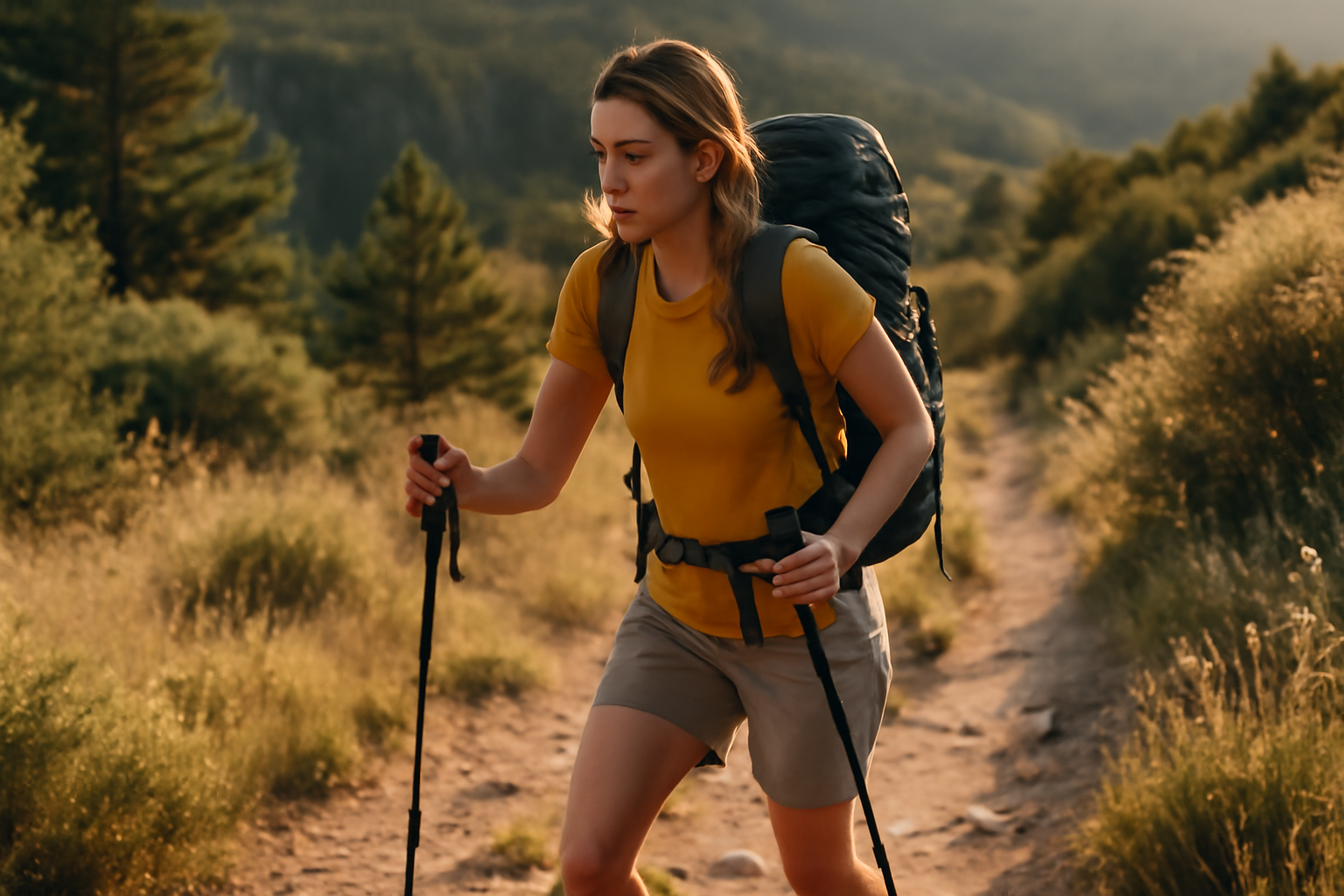
Hiking is more than just a walk in the woods; it's a journey that connects you with nature and challenges your physical capabilities. Whether you're a beginner or looking to sharpen your skills, improving your hiking abilities can elevate your outdoor experience. With the right techniques and mindset, you can tackle more challenging trails and enjoy the beauty of the great outdoors. camping supplies list.
This guide will provide you with practical steps and essential tips on how to enhance your hiking skills. From understanding the terrain to mastering navigation, let's dive into the world of hiking improvement!
Table of Contents
- Step 1: Understand Your Hiking Terrain
- Step 2: Develop Your Physical Fitness
- Step 3: Master Navigation Skills
- Step 4: Gear Up with the Right Equipment
- Step 5: Practice Trail Etiquette
- Step 6: Join a Hiking Community
- Common Mistakes to Avoid
- Checklist for Hiking Improvement
- Conclusion: Take Your First Step
Step 1: Understand Your Hiking Terrain
Different terrains require different skills and approaches. Understanding what you're dealing with is crucial for a safe and enjoyable hike. Your Ultimate Guide to Camping and Hiking Equipment.
Types of Terrain
- Flat Trails: Usually easier, these are great for beginners to build stamina.
- Inclines: These require more energy and technique; focus on pacing yourself.
- Rocky Paths: Balance and foot placement become critical here; practice stepping lightly.
- Wet or Muddy Areas: Stability is essential; invest in quality hiking boots for traction.
Step 2: Develop Your Physical Fitness
Hiking can be physically demanding, so improving your overall fitness is essential. Regularly engaging in cardiovascular and strength-training exercises can enhance your endurance and ability to handle different terrains. gear maintenance checklist.
Recommended Exercises
- Cardio: Running, cycling, or swimming can boost your cardiovascular endurance.
- Strength Training: Focus on legs, core, and back. Squats, lunges, and planks are great exercises.
- Flexibility: Stretching and yoga can improve your flexibility and reduce the risk of injury.
Step 3: Master Navigation Skills
Being able to navigate effectively can make a significant difference in your hiking experience. Familiarize yourself with different navigation tools and techniques. Mastering navigation not only ensures safety but also enhances your confidence on the trails, allowing you to explore new areas without fear of getting lost.
Essential Navigation Tools
- Maps: Learn how to read topographic maps to understand elevation and terrain. Familiarize yourself with the symbols and legends used on maps. Practice by choosing a local hiking trail and plotting your route, noting key landmarks, water sources, and potential hazards. Consider using a map scale to estimate distances and plan your time accordingly.
- Compass: This classic tool is essential for navigation; practice using it alongside your map. Start by learning how to take a bearing: hold the compass flat, rotate the housing until the orienting arrow aligns with the magnetic needle, and then follow the direction of travel arrow. Regularly practice this skill on hikes, and try to navigate to specific waypoints using only your compass and map.
- GPS Devices: While technology can assist, know how to navigate without it as a backup. Familiarize yourself with the features of your GPS device, such as waypoints, tracks, and routes. Always carry extra batteries or a portable charger, as devices can fail or run out of power. Additionally, learn how to use offline maps on your smartphone or GPS device to ensure you have access to navigation tools even in areas with poor reception.
Navigation Techniques
Having the right tools is just the beginning; you also need to develop effective navigation techniques. Here are some practical steps to enhance your navigation skills:
- Landmark Navigation: Use prominent features in the landscape, such as mountains, rivers, and valleys, to orient yourself. Practice identifying these landmarks on your map before your hike and check them against your surroundings as you progress.
- Dead Reckoning: This technique involves calculating your current position based on a known starting point, speed, and time. Use it to estimate how far you've traveled and in which direction. This can be particularly useful when visibility is limited.
- Route Planning: Before heading out, plan your route carefully. Identify potential challenges, such as steep climbs or river crossings, and develop alternative routes in case of unexpected obstacles. Always inform someone of your planned route and estimated return time.
Common Navigation Mistakes
Even experienced hikers can make navigation errors. Here are some common mistakes to avoid:
- Ignoring the Map: Relying solely on technology can lead to problems. Always carry a physical map and know how to use it, as GPS signals can be unreliable in dense forests or canyons.
- Forgetting to Check Your Bearings: Regularly check your bearings and adjust your route as needed. It's easy to get disoriented, especially in unfamiliar territory.
- Overconfidence: Just because you've hiked a trail before doesn't mean it hasn't changed. Weather can alter landscapes, and new trails can emerge. Always reassess your navigation skills and tools before each hike.
Practice Makes Perfect
Improving your navigation skills takes time and practice. Here are some activities to help you become more proficient:
- Take a Navigation Course: Many outdoor organizations offer courses focusing on navigation skills. These can provide hands-on experience and expert guidance.
- Join a Hiking Group: Hiking with experienced navigators can help you learn new skills and techniques. Pay attention to how they read maps and use their compasses.
- Set Navigation Challenges: Create challenges for yourself during hikes, such as navigating to a specific point using only your compass and map, or finding a hidden landmark.
By mastering navigation skills, you'll enhance not only your safety but also your enjoyment of the great outdoors. With practice and the right tools, you'll feel more confident tackling any trail that comes your way!
Step 4: Gear Up with the Right Equipment
Having the proper gear can significantly enhance your hiking experience. Quality equipment ensures safety and comfort during your adventures.
Essential Hiking Gear
- Footwear: Invest in sturdy hiking boots that provide ankle support and traction.
- Clothing: Layer your clothing to adapt to changing weather conditions. Look for moisture-wicking fabrics.
- Backpack: Choose a comfortable backpack that fits your torso length and carries your essentials.
- Hydration System: Stay hydrated on the trail with a good water bottle or hydration pack.
Step 5: Practice Trail Etiquette
Respecting nature and fellow hikers is crucial for an enjoyable experience. Following trail etiquette not only enhances your own experience but also that of others.
Key Etiquette Rules
- Stay on Designated Trails: This helps protect natural habitats and reduces erosion.
- Yield to Others: Always yield to hikers coming downhill; they have the right of way.
- Leave No Trace: Carry out what you bring in, including trash and leftover food.
Step 6: Join a Hiking Community
Connecting with other hiking enthusiasts can provide support, motivation, and valuable knowledge. Whether online or in-person, being part of a community can enhance your skills and enjoyment.
Finding a Community
- Local Hiking Groups: Search for hiking clubs in your area to meet fellow hikers.
- Online Forums: Join online platforms where hikers share experiences and tips.
- Group Hikes: Participate in organized group hikes to learn from experienced hikers.
Common Mistakes to Avoid
As you work on improving your hiking skills, be aware of common pitfalls that can hinder your progress. Recognizing these mistakes can help you become a more efficient and enjoyable hiker, allowing you to focus on the adventure ahead.
- Overpacking: Carry only the essentials to avoid fatigue. Aim for a pack weight that is no more than 20% of your body weight. Create a checklist of necessary items such as water, snacks, a first-aid kit, and appropriate clothing to streamline your packing process. Consider the length of your hike and the availability of resources along the trail, and remember that less is often more.
- Ignoring Weather Conditions: Always check the forecast before heading out. Weather can change rapidly in the outdoors, so prepare for unexpected conditions. Invest in a reliable weather app or buy a portable weather radio. Carry layers of clothing suitable for varying temperatures and conditions, including a waterproof jacket and moisture-wicking base layers. Be aware of signs of severe weather and know when to turn back.
- Neglecting Rest: Take breaks to hydrate and recharge, especially on longer hikes. Plan your breaks at regular intervals, such as every hour or every couple of miles. Use this time to eat a snack, drink water, and enjoy the scenery. Listen to your body; if you're feeling fatigued, don't hesitate to take a longer break. Consider using a timer or setting a reminder on your phone to help you stay on track.
Additional Common Mistakes
- Underestimating Trail Difficulty: Before you hit the trail, research the difficulty level of your chosen route. Factors such as elevation gain, terrain type, and trail distance can significantly impact your hiking experience. Use resources like trail guides, apps, or local hiking groups to gather information. Always choose a trail that aligns with your fitness level and experience.
- Neglecting Footwear: Wearing improper footwear can lead to discomfort and injuries. Invest in a good pair of hiking boots or shoes that provide support and traction. Break them in before your hike to avoid blisters. Consider the terrain and choose footwear that is appropriate for the conditions, whether it be waterproof for wet trails or lightweight for dry, rocky paths.
- Not Staying Hydrated: Dehydration can severely affect your performance and safety. Carry enough water for your hike, typically about half a liter per hour of moderate activity. Use a hydration bladder or water bottles that are easy to access. Consider bringing electrolyte tablets or sports drinks for longer hikes to replenish lost minerals.
- Ignoring Navigation Tools: Relying solely on your smartphone for navigation can be risky, especially in areas with poor reception. Always carry a physical map and a compass, and know how to use them. Familiarize yourself with the trail before you go, and consider downloading offline maps if you plan to rely on your phone.
- Forgetting to Leave No Trace: Respect the environment by following Leave No Trace principles. Pack out what you pack in, stay on designated trails, and avoid disturbing wildlife. Educate yourself on local flora and fauna to enhance your appreciation of nature while minimizing your impact.
By being aware of these common mistakes and making a conscious effort to avoid them, you can enhance your hiking experience and ensure that each adventure is safe, enjoyable, and rewarding. Happy hiking!
Checklist for Hiking Improvement
To ensure you're on the right path to improving your hiking skills, use this handy checklist:
- Understand different terrains and their challenges.
- Engage in regular physical fitness routines.
- Practice navigation skills with maps and compasses.
- Invest in quality hiking gear, including a solid pair of boots.
- Follow trail etiquette and respect nature.
- Connect with a hiking community for support and knowledge.
Understanding Different Terrains
Different hiking terrains present unique challenges that require tailored skills. Here's how to familiarize yourself with various environments:
- Mountain Trails: Focus on elevation changes, steep inclines, and rocky paths. Practice your balance and learn to manage your energy on uphill climbs.
- Forested Areas: Pay attention to navigating through trees and uneven ground. Familiarize yourself with trail markers and how to identify natural landmarks.
- Desert Trails: Prepare for heat and limited water sources. Learn about desert flora and fauna to enhance your awareness of the environment.
- Wetlands: Understand how to traverse muddy or slippery areas. Invest in waterproof gear and practice your footing on unstable ground.
Regular Physical Fitness Routines
Improving your hiking skills starts with physical fitness. Here's a practical fitness routine:
- Cardio Training: Aim for at least 150 minutes of moderate aerobic activity each week. Activities like running, cycling, or swimming can boost your stamina.
- Strength Training: Focus on building leg and core strength. Exercises like squats, lunges, and planks can help prepare your body for the rigors of hiking.
- Flexibility Exercises: Incorporate stretching or yoga to enhance your flexibility, which can improve your balance and reduce the risk of injury.
- Hiking-Specific Workouts: Simulate hiking conditions by using a weighted backpack during your workouts or by hiking on staircases or hills.
Navigation Skills
Being able to navigate effectively is crucial for safe hiking. Consider these tips:
- Map Reading: Learn to read topographic maps, understanding symbols and elevation changes. Practice by planning hikes using maps.
- Compass Use: Familiarize yourself with using a compass. Practice taking bearings and understanding how to orient a map with your compass.
- GPS Technology: While traditional navigation is vital, using GPS devices or smartphone apps can be helpful. Ensure you know how to use them and have a backup plan in case of battery failure.
Investing in Quality Hiking Gear
Your gear can significantly impact your hiking experience. Here's a checklist for essential hiking gear:
- Footwear: Invest in high-quality hiking boots that provide support and traction. Consider waterproof options for wet conditions.
- Clothing: Choose moisture-wicking and breathable fabrics. Layering is key; start with a base layer, add insulation, and finish with a waterproof outer layer.
- Backpacks: Select a comfortable backpack that fits your body and can carry all necessary supplies without causing strain.
- Navigation Tools: Always carry a map, compass, and GPS device. Ensure you know how to use them effectively.
- Safety Gear: Bring a first aid kit, whistle, and multi-tool for emergencies.
Following Trail Etiquette
Respecting nature and fellow hikers is essential. Here's how to practice good trail etiquette:
- Leave No Trace: Always pack out what you pack in. Dispose of waste properly and avoid picking plants or disturbing wildlife.
- Yielding on Trails: When encountering other hikers, cyclists, or horseback riders, know the right of way rules. Typically, hikers yield to those on foot.
- Stay on Designated Trails: Avoid cutting switchbacks or creating new paths, as this can lead to erosion and damage to the environment.
Connecting with a Hiking Community
Engaging with others who share your passion can enhance your hiking experience. Here are ways to connect:
- Join Local Hiking Clubs: Many areas have clubs that organize group hikes, which can help you learn from experienced hikers.
- Participate in Online Forums: Engage with hiking communities on social media or dedicated hiking websites to share experiences and tips.
- Attend Workshops or Classes: Look for local workshops on hiking skills, navigation, or wilderness survival to expand your knowledge.
Conclusion: Take Your First Step
Improving your hiking skills takes time and dedication, but the rewards are worth it. Start by assessing your current abilities and setting specific goals for improvement. Whether it's mastering navigation or investing in quality hiking gear from Timberline Provisions, each step will bring you closer to becoming a more confident and capable hiker. So, pack your hiking essentials, grab your backpack, and hit the trails-your adventure awaits!