
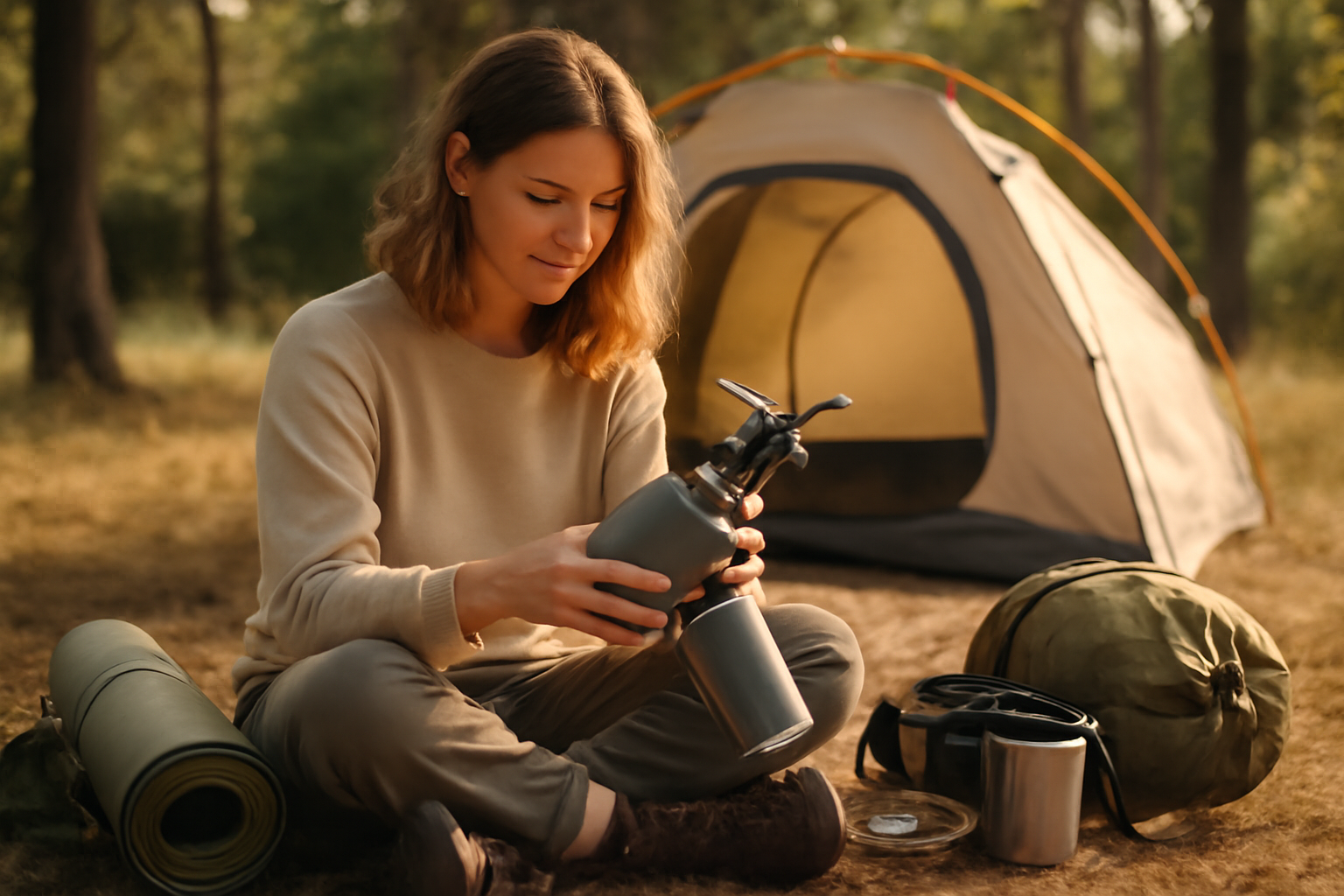
Camping is an exhilarating way to connect with nature and enjoy the great outdoors. However, for beginners, the process of selecting the right camping gear can feel overwhelming. With so many options available, it's essential to know what you truly need to ensure a successful camping experience. gear maintenance checklist.
This guide will walk you through the steps to choose the best camping gear tailored for beginners. From understanding your camping style to selecting essential items, you'll be fully equipped to embark on your outdoor adventure. camping supplies list.
Table of Contents
Step 1: Determine Your Camping Style
Before diving into gear selection, it's crucial to identify how you plan to camp. Your camping style will significantly influence the type of gear you need. Your Ultimate Guide to Camping and Hiking Equipment.
1. Car Camping
If you're driving to your campsite, you can bring more gear and opt for comfort. This includes larger tents, coolers, and portable cooking equipment.
2. Backpacking
For those venturing into the wilderness, lightweight and compact gear is vital. You'll need to prioritize items that provide functionality without adding excessive weight to your pack.
3. RV Camping
If you're using an RV, your gear options expand even further. Consider items that enhance your experience, like outdoor furniture or portable grills.
Step 2: Make a List of Essential Gear
Now that you have your camping style in mind, it's time to create a checklist of essential gear. This will help you stay organized and ensure you don't forget anything important.
Camping Shelter
- Tent: Look for a size that accommodates your group with waterproof material.
- Sleeping Bag: Choose a bag rated for the temperature conditions you expect.
- Sleeping Pad: Provides insulation and comfort for a good night's sleep.
Cooking Equipment
- Portable Stove: A compact stove is essential for cooking meals.
- Cookware: Lightweight pots and pans will make meal prep easier.
- Utensils: Don't forget spatulas, knives, and serving tools.
Safety and Navigation
- First Aid Kit: Always pack a basic first aid kit for emergencies.
- Map and Compass: Essential for navigation, especially in remote areas.
- Flashlight or Headlamp: For visibility during nighttime activities.
Step 3: Research and Compare Gear
With your checklist in hand, research various brands and products to find the best gear for your needs. Consider the following:
Quality and Durability
Look for gear that is built to withstand outdoor conditions. Read reviews and check ratings to gauge reliability.
Weight and Portability
If you're backpacking, prioritize lightweight options. For car camping, you can afford to be a bit heavier but still aim for portability.
Price Point
Set a budget and compare options within that range. Sometimes, investing a little more upfront can save you in the long run due to improved durability and performance.
Step 4: Avoid Common Mistakes
As a beginner, it's easy to make mistakes in gear selection. Here are a few common pitfalls to avoid:
Overpacking
It's tempting to bring everything you might need, but this can lead to heavy packs and cumbersome setups. Stick to your checklist.
Ignoring Weather Conditions
Always check the weather forecast before you head out. This will help you choose the right gear, especially clothing and shelter.
Neglecting Comfort
While it's crucial to keep an eye on weight, don't sacrifice comfort for the sake of saving space. A good sleeping pad and bag can make a huge difference.
Step 5: Test Your Gear
Before your first camping trip, it's wise to test your gear at home or in a local park. This will help you familiarize yourself with how everything works. Testing your gear not only boosts your confidence but also allows you to identify any issues before you're out in the wilderness.
Set Up Your Tent
Practice setting up your tent to ensure you can do it efficiently in the field. Here are some steps to follow:
- Select a flat area free of debris to set up your tent.
- Unpack the tent and lay it out on the ground. Identify the different components: the tent body, rainfly, poles, and stakes.
- Follow the instructions to assemble the tent poles. This may involve sliding poles through sleeves or connecting them via clips.
- Stake down the tent to ensure it remains secure, especially if there's wind.
- Attach the rainfly if your tent has one, and check for proper coverage and ventilation.
As you practice, time yourself to see how quickly you can set it up. Aim for under 10 minutes. This will help you manage your time effectively when you arrive at your campsite.
Cook a Meal
Try out your portable stove and cookware to understand how to use them effectively. Here's how to get started:
- Set up your stove in a well-ventilated area, following safety guidelines.
- Gather all necessary cooking supplies: stove, fuel, pots, utensils, and food items.
- Practice lighting the stove and adjusting the flame. Ensure you know how to turn it off safely.
- Prepare a simple meal, such as boiling water for pasta or making a one-pot dish. This will help you gauge cooking times and methods.
Keep notes on what worked well and what didn't, so you can refine your cooking process for the actual trip. Don't forget to clean up afterward to simulate the importance of Leave No Trace principles!
Pack Your Bag
Load your backpack with your gear and take it for a walk. This will help you gauge weight distribution and comfort levels. Follow these steps for an effective packing experience:
- Start by laying out all your gear and supplies. This will give you a visual of what you plan to bring.
- Pack heavier items close to your back and at the bottom of your pack. This helps maintain balance and reduces strain on your shoulders.
- Utilize compartments and pockets for easy access to frequently used items, like snacks or a water bottle.
- Adjust the straps of your backpack to fit comfortably. Ensure the hip belt is snug and that the weight is distributed evenly.
Take a short hike with your loaded backpack, aiming for at least 30 minutes. Pay attention to any discomfort or shifting of weight, and make adjustments as necessary. This will help you avoid issues during your actual camping trip.
Common Mistakes to Avoid
While testing your gear, be mindful of these common pitfalls:
- Skipping the Setup: Many beginners assume they can set up their tent at the campsite without practice. This can lead to frustration.
- Not Testing Cooking Equipment: Failing to test your stove can result in difficulties when preparing meals outdoors. Always ensure it functions properly.
- Packing Too Much Gear: Overpacking can lead to discomfort on the trail. Use your test pack to identify essential items and leave behind non-essentials.
By thoroughly testing your gear, you'll be better prepared for your camping adventure, ensuring a smoother and more enjoyable experience in the great outdoors!
Step 6: Create a Gear Checklist for Future Trips
Once you've successfully completed your first camping trip, take notes on what worked and what didn't. Creating a gear checklist for future outings will streamline your packing process and help ensure you don't forget any essential items.
To develop a comprehensive checklist, consider the following steps:
1. Review Your First Trip
Reflect on your initial camping experience. What gear did you use the most? Were there items you wished you had brought along? Make a list of these observations to help guide your checklist creation.
2. Categorize Your Gear
Organizing your checklist into categories can make it easier to follow. Here are some suggested categories:
- Camping Essentials: Tent, sleeping bag, sleeping pad, and camping stove.
- Cooking Gear: Cookware, utensils, and food storage containers.
- Clothing: Weather-appropriate clothing, hiking boots, and extra layers.
- Safety and Navigation: First-aid kit, map, compass, and multi-tool.
- Comfort Items: Camp chairs, hammocks, and portable chargers.
- Food and Snacks: Meals, snacks, and beverages.
3. Backpacking Gear Recommendations for Different Climates
Your checklist should vary based on the climate and terrain of your camping destination. For instance:
- Hot Weather: Lightweight clothing, sunblock, and plenty of water.
- Cold Weather: Insulated sleeping bags, thermal layers, and hand warmers.
- Rainy Conditions: Waterproof gear, tarps, and quick-dry clothing.
Research the specific climate of your chosen location to tailor your gear accordingly.
4. Add Comfort Items
While essential gear is vital, comfort items can greatly enhance your camping experience. Consider adding:
- Camp chairs for relaxation around the fire.
- Hammocks for lounging during the day.
- Portable speakers for music and entertainment.
- Travel pillows for a better night's sleep.
5. Include Extra Food and Snacks
When planning meals, it's wise to pack extra food and snacks. Here are some ideas:
- Non-perishable Snacks: Trail mix, granola bars, and jerky.
- Meal Options: Freeze-dried meals, canned goods, and easy-to-cook pasta.
- Hydration: Electrolyte powders or sports drinks for after hikes.
Having extra food can be a lifesaver during unexpected delays or extended trips.
6. Test Your Gear Before Your Trip
Before heading out on your next adventure, take some time to test your gear at home. Set up your tent, try out your stove, and check the functionality of your equipment. This will help you identify any issues beforehand and ensure that you are fully prepared for your trip.
7. Update Your Checklist Regularly
As you gain more experience and try new gear, your checklist should evolve. Regularly review and update it based on your growing understanding of what works best for you. Consider keeping a digital version of your checklist for easy access and modification.
By following these steps and carefully curating your gear checklist, you'll be well on your way to a more organized and enjoyable camping experience on your future trips!
Conclusion: Get Ready for Your Adventure
Choosing camping gear for beginners doesn't have to be a daunting task. By following these steps, you can select the right equipment tailored to your camping style and needs. Start with your checklist, research your options, and avoid common pitfalls. Now, gather your gear and get ready to enjoy the great outdoors!
Final Checklist for Your Camping Gear
Before you hit the trail, ensure you have all the essential gear. Here's a comprehensive checklist to help you cover all bases:
- Tent: Make sure it's appropriate for the season and size for your group.
- Sleeping Bag: Choose one that suits the temperature range you expect.
- Sleeping Pad: Provides insulation and comfort.
- Cooking Equipment: Portable stove, fuel, cookware, utensils, and a lighter.
- Food and Snacks: Non-perishable items and easy-to-cook meals.
- Clothing: Layered clothing suitable for varying weather conditions.
- First Aid Kit: Include basic supplies and any personal medications.
- Navigation Tools: Map, compass, or GPS device.
- Water Filtration System: To ensure you have clean drinking water.
- Lighting: Headlamps or lanterns with extra batteries.
- Backpack: A comfortable, durable pack that fits all your gear.
Common Mistakes to Avoid
As a beginner, it's easy to make some common mistakes when choosing camping gear. Here are a few pitfalls to watch out for:
- Overpacking: Stick to the essentials to keep your pack light. Consider the weight of each item and its necessity.
- Ignoring Weather Conditions: Always check the forecast and pack accordingly. Don't underestimate the importance of waterproof gear.
- Choosing Gear Without Testing: If possible, try out gear before your trip. Test sleeping bags, tents, and backpacks for comfort and functionality.
- Neglecting Maintenance: Ensure your gear is in good condition before you leave. Clean and repair items as needed to avoid issues while camping.
- Forgetting About Safety: Always prioritize safety gear, including a first aid kit and navigation tools, especially if you're venturing into remote areas.
Embrace the Adventure
With the right gear and preparations, you're set to embrace the adventure of camping. Remember, the goal is to enjoy the experience, connect with nature, and create lasting memories. Whether you're hiking through the woods, fishing by a lake, or simply relaxing under the stars, having the right equipment will enhance your outdoor experience.
So, gather your gear, invite friends or family, and head out to explore the great outdoors. Each camping trip is an opportunity to learn, grow, and enjoy the beauty of nature. Happy camping!