
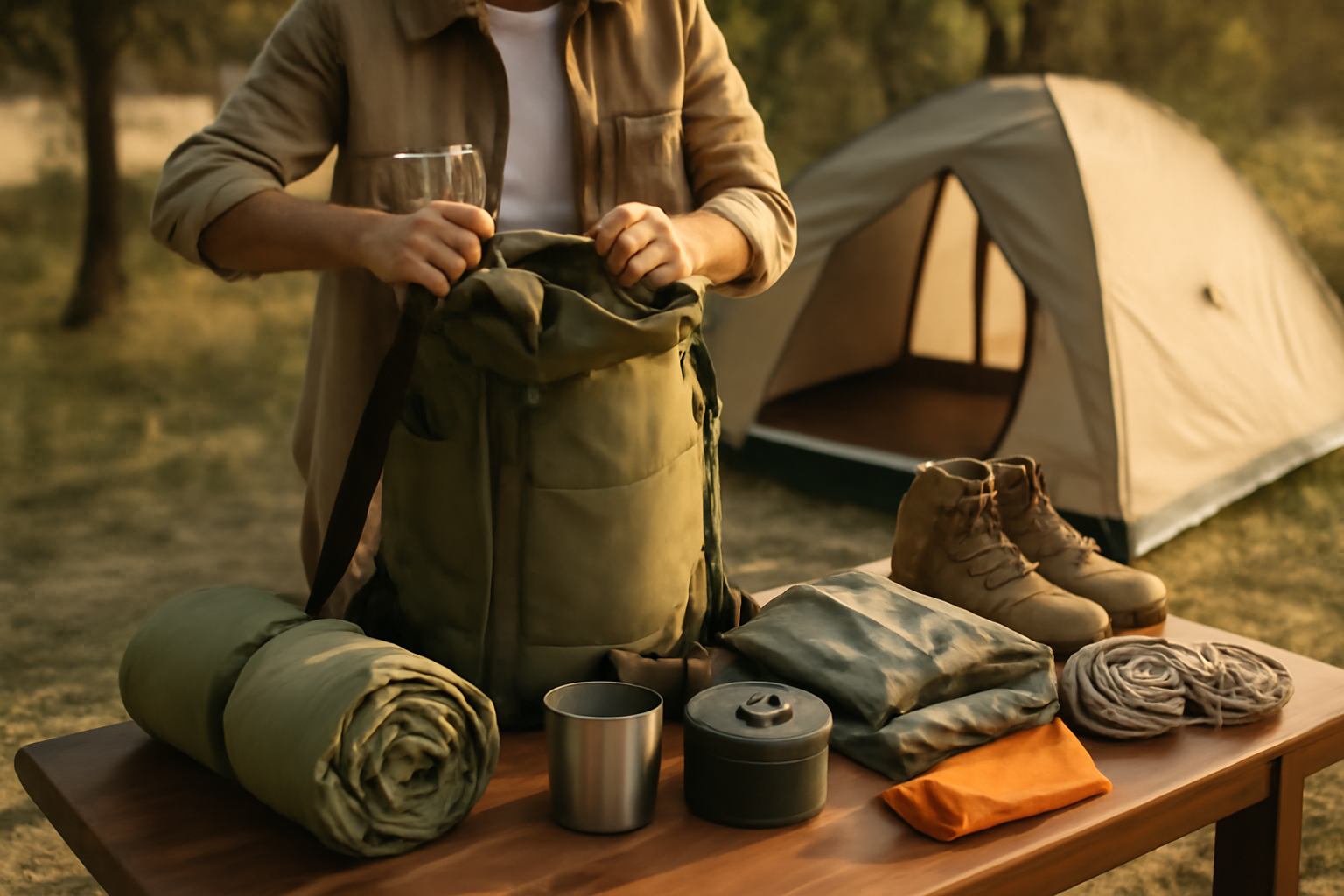
Packing for a camping trip can be both exciting and daunting, especially for beginners. The key to a great outdoor adventure starts with careful preparation and organization. Knowing exactly what to bring and how to pack it can make all the difference between a fun experience and a stressful one. beginner camping equipment.
This guide will walk you through the essential steps of packing for a camping trip, ensuring you have everything you need without overloading your pack. From understanding your campsite to creating a checklist, let's dive into the essentials of packing for a memorable outdoor adventure. gear maintenance checklist.
Table of Contents
Step 1: Determine Your Camping Style
The first step in packing is understanding your camping style. Are you car camping, backpacking, or staying in a cabin? Each style requires different gear and packing methods. Your Ultimate Guide to Camping and Hiking Equipment.
Car Camping
If you're car camping, you have more flexibility with your gear. You can bring larger items such as a cooler, larger tent, and more extensive cooking equipment.
Backpacking
For backpacking, you need to be more selective with your items. Keep your pack lightweight and focus on multi-functional gear. Look for compact items to save space and weight.
Step 2: Create a Packing List
Creating a packing list is crucial for ensuring you don't forget essential items. Here's a basic checklist to get you started:
- Tent & stakes
- Sleeping bag & pad
- Clothing layers
- Cooking gear (stove, pots, utensils)
- Food & snacks
- Water bottles or hydration system
- First aid kit
- Flashlight or headlamp
- Outdoor gear collection items
Feel free to customize this list based on your specific needs and the length of your trip. Also, consider any activities you plan to do, such as fishing or hiking, and add relevant items like fishing accessories or hiking essentials.
Step 3: Choose the Right Gear
Selecting the right gear is vital to your camping experience. Invest in high-quality items that are suited to the environment you will be in. Here are some tips:
Tent
Your tent should be spacious enough for all occupants and weather-resistant. A good-quality tent will keep you dry and comfortable.
Sleeping Bag
Choose a sleeping bag rated for the season. A winter bag will keep you warm in cold weather, while a summer bag will prevent overheating.
Cooking Equipment
Bring a portable camping stove or consider using a campfire. Make sure to pack utensils, pots, and any other cooking gear you need.
Step 4: Organize Your Pack
How you organize your pack can greatly affect your hiking experience. Follow these tips for optimal packing:
Weight Distribution
Place the heaviest items close to your back and near the bottom of your pack. This helps maintain balance and stability while hiking.
Accessibility
Keep frequently used items, like snacks and a water bottle, in outer pockets for easy access. This way, you won't have to dig through your entire pack when you need something.
Step 5: Check the Weather and Plan Accordingly
Before you leave, check the weather forecast for your camping destination. This information can help you pack the right clothing and gear:
Hot Weather
Packing lightweight, moisture-wicking clothing is essential. Don't forget sunscreen and a hat! Here are some additional tips for hot weather camping:
- Choose Breathable Fabrics: Opt for fabrics like cotton or specialized outdoor materials that allow air circulation.
- Hydration Gear: Make sure to bring a reusable water bottle or hydration pack to stay hydrated throughout the day.
- Cooling Accessories: Consider packing a portable fan or cooling towels to help beat the heat.
- Timing Your Activities: Plan hikes or outdoor activities for early morning or late afternoon when temperatures are cooler.
Lastly, keep an eye on any sudden weather changes, as summer storms can develop quickly in some areas. Always have a backup plan for shelter if the weather turns.
Cold Weather
Layering is key. Bring thermal layers, a warm jacket, and suitable gloves and hats to stay cozy at night. Here are some practical tips for cold weather camping:
- Base Layers: Invest in high-quality thermal underwear that traps heat while wicking moisture away from your skin.
- Insulated Outer Layer: A waterproof and windproof jacket is crucial to protect you from the elements.
- Footwear: Insulated, waterproof boots are a must. Don't forget warm socks, preferably wool, to keep your feet dry and warm.
- Sleeping Gear: Choose a sleeping bag rated for cold temperatures and consider bringing an insulated sleeping pad to provide extra warmth from the ground.
Additionally, be mindful of your food choices. High-calorie meals can help keep your energy levels up and your body warm. Always check for weather advisories, especially regarding snow or frost, which can affect your campsite accessibility.
Rainy Weather
If rain is in the forecast, you'll need to adjust your packing list accordingly:
- Waterproof Gear: Bring a high-quality rain jacket and waterproof pants to keep you dry.
- Waterproof Bags: Use dry bags or zip-lock bags to protect your clothing and essential gear from getting wet.
- Footwear: Waterproof boots or shoes are essential to keep your feet dry and comfortable.
- Camp Setup: Consider a tarp or rainfly for your tent to provide extra protection from the rain.
When planning activities, keep in mind that slippery trails can pose hazards. Opt for shorter hikes or indoor activities if the rain is heavy. Always have a backup plan to stay dry and safe.
By taking the time to check the weather and adjust your packing list accordingly, you can ensure a more enjoyable and comfortable camping experience, regardless of the conditions you may face.
Step 6: Common Mistakes to Avoid
Even experienced campers can make mistakes. Here are some common ones to watch out for:
Overpacking
Bringing too much gear can weigh you down and make your trip less enjoyable. Stick to essentials and multi-use items whenever possible.
Ignoring Food Safety
Ensure you pack food that won't spoil easily. Bring a cooler for perishables and separate raw meats from other food items to prevent contamination.
Step 7: Final Checklist Before You Leave
As you prepare to head out, use this final checklist to ensure you have everything. A well-organized packing process can make or break your camping experience, so take a moment to double-check each item.
- All gear packed and organized
- Food and cooking supplies ready
- First aid kit checked and stocked
- Water bottles filled
- Clothing appropriate for weather conditions
Gear Organization
Before you leave, ensure that all your gear is packed and organized in a way that makes it easy to access. Consider using packing cubes or dry bags to separate items by category, such as cooking supplies, clothing, and camping tools. Here's a quick checklist for your gear:
- Tent and stakes
- Sleeping bag and pad
- Cooking equipment (stove, pots, utensils)
- Lantern or flashlight with extra batteries
- Multi-tool or knife
- Backpack or daypack for hiking
Food and Cooking Supplies
Having a solid plan for your meals is crucial. Make sure you have enough food for the duration of your trip, plus a little extra in case of emergencies. Here's how to organize your food supplies:
- Plan meals ahead of time and create a grocery list.
- Pack non-perishable items like canned goods, pasta, and rice.
- Include fresh produce that can withstand the trip, such as apples or carrots.
- Don't forget snacks like trail mix or granola bars for energy on hikes.
- Bring cooking utensils, including a spatula, ladle, and cutting board.
First Aid Kit Essentials
Your first aid kit is an important part of your camping gear. Before you leave, check that your first aid kit is stocked with essential items. Consider including the following:
- Adhesive bandages in various sizes
- Antiseptic wipes or cream
- Pain relievers (ibuprofen or acetaminophen)
- Allergy medication (antihistamines)
- Gauze pads and medical tape
- Emergency contact numbers and any personal medications
It's also wise to familiarize yourself with basic first aid procedures before heading out, so you're prepared for any minor injuries that might occur.
Water Preparation
Staying hydrated is vital during your camping trip. Ensure that all water bottles are filled and packed securely. Here are some tips for water preparation:
- Bring a water filter or purification tablets if you plan to source water from streams or lakes.
- Consider packing a hydration reservoir for easy access while hiking.
- Check that all water containers are clean and free of any residues from previous use.
Clothing Considerations
Weather can change quickly in the outdoors, so pack clothing that is appropriate for the conditions you expect. Here's a checklist to help you:
- Moisture-wicking base layers
- Insulating layers, such as fleece or down jackets
- Waterproof or windproof outer layers
- Comfortable hiking boots or shoes
- Extra socks and underwear
- Sun protection items, including hats and sunglasses
Additionally, check the weather forecast before you leave to ensure you are prepared for any unexpected changes.
Final Thoughts
Before you hit the road, take a moment to review your checklist. A little preparation goes a long way in ensuring a smooth and enjoyable camping experience. Remember to leave a copy of your itinerary with a friend or family member, and most importantly, enjoy your adventure in the great outdoors!
Conclusion
With these steps, you'll be well on your way to packing efficiently for your camping trip. Take the time to prepare and organize your gear, and you'll set yourself up for an enjoyable outdoor experience. Now, gather your gear for outdoor exploration and get ready for your next adventure!
Final Packing Checklist
To ensure you don't forget anything, here's a comprehensive packing checklist to guide you through the final stages of your preparation:
-
Camping Gear:
- Tent (with stakes and guylines)
- Sleeping bag (appropriate for the season)
- Sleeping pad or air mattress
- Camping pillow or stuff sack with clothes
-
Cooking Supplies:
- Portable stove or campfire cooking equipment
- Fuel for your stove
- Cookware (pots, pans, utensils)
- Biodegradable soap and sponge
- Cooler with ice packs
-
Food and Beverages:
- Non-perishable food items (canned goods, pasta, rice)
- Snacks (trail mix, energy bars)
- Fresh produce (if you have a cooler)
- Water bottles or hydration system
- Water purification tablets (if necessary)
-
Clothing:
- Weather-appropriate clothing (layers recommended)
- Sturdy hiking boots or shoes
- Rain gear (jacket and pants)
- Warm hat and gloves (if camping in cooler weather)
- Swimsuit (if near water)
-
Personal Items:
- Toiletries (toothbrush, toothpaste, biodegradable soap)
- First aid kit
- Insect repellent
- Sunscreen
- Personal identification and any necessary permits
-
Safety and Navigation:
- Map and compass or GPS device
- Multi-tool or knife
- Headlamp or flashlight (with extra batteries)
- Emergency whistle
Avoiding Common Mistakes
Even the most seasoned campers can overlook important details. Here are some common mistakes to avoid:
- Overpacking: Carrying too much can weigh you down. Stick to essentials and remember that you can often buy food or supplies nearby if needed.
- Not Testing Gear: Make sure to set up your tent and test your gear at home before your trip. This ensures everything is in working order and gives you a chance to familiarize yourself with your equipment.
- Ignoring Weather Forecasts: Always check the weather before you leave. Be prepared for sudden changes in weather conditions by packing extra layers or rain gear.
- Neglecting Food Storage: Properly store food to avoid attracting wildlife. Use bear-proof containers if in bear country, or store food in your vehicle when possible.
Embrace the Adventure
Camping is more than just packing and setting up a tent; it's about immersing yourself in nature and creating memories. As you prepare, think about the experiences you want to have, whether it's hiking, fishing, or simply enjoying a campfire under the stars. Embrace the adventure ahead and remember to enjoy the journey as much as the destination.
Now, gather your gear for outdoor exploration, double-check your packing list, and get ready for your next adventure!